

Sri Lankan street food captures the island’s culinary heritage in ways that restaurants simply cannot match. The vibrant food scene reveals “Short Eats” – popular snacks that you can find in cities, towns, and villages throughout the country.
These Sri Lankan snacks mean much more than casual bites – they represent a cultural institution. Sweet and savory varieties will tempt your taste buds. People grab these tasty treats during work breaks, school recesses, or pair them with a steaming cup of Ceylon tea in the afternoon. The selection ranges from Chinese rolls to fish cutlets and patties, with beef roti and sweet pani pol that pack both flavor and substance.
Sri Lankan street food stands out because it’s easy to get and won’t break your bank. Budget travelers appreciate these snacks’ great value – fish, egg, or chicken buns cost just a fraction of a regular meal. This piece shows you the most popular short eats, their locations, and tips to enjoy them as locals do. Sri Lanka’s short eats give you a delicious glimpse into the island’s food culture, whether you love food adventures or want to make your travel money go further.
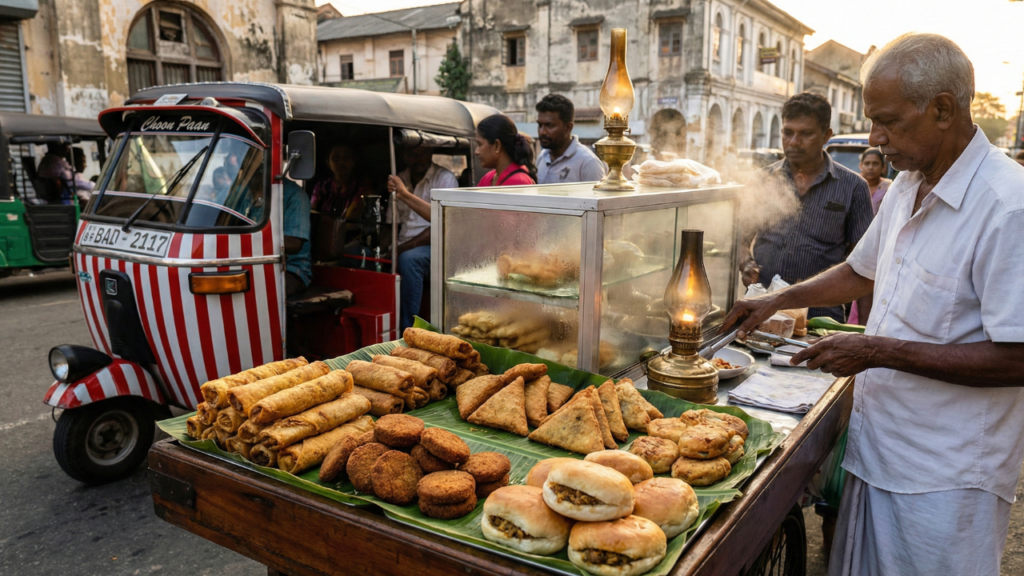
What Are Short Eats in Sri Lanka?
“Short eats” represent more than just snacks – they embody Sri Lankan identity and showcase the nation’s rich cultural heritage. These stuffed delicacies, either fried or baked, have become the face of Sri Lankan street food culture with their countless varieties.
The meaning behind the term ‘Short Eats.’
The term “short eats” has an interesting backstory. The Ceylon Daily News’s Cookery Book reveals these beloved snacks derived from the tidbits Europeans served with sherry at six in the evening on the island, similar to cocktail party appetizers. These snacks later became popular treats served after midday. A resident explains, “Short eats are small in size, easy to carry and can be eaten on the go — giving them the perfect moniker”.
Why are they central to Sri Lankan food culture
Sri Lankan culture treasures short eats because they blend culinary traditions from various colonizers and settlers – Indian, Dutch, British, Portuguese, and Chinese influences. Each variety tells its own story – Chinese migrants brought rolls, British introduced cutlets and patties, while Tamils from India contributed vadais.
These snacks create economic opportunities, particularly for women. Revathi Muthruban, a coordinator at Ammachi’s community kitchen, notes, “For women in Jaffna, especially Tamil women, selling their own short eats is a way to prestige”. The 2022 economic crisis reduced buying power, leading many Sri Lankans to rely on short eats as affordable meal options.
When and how locals enjoy them
Short eats blend naturally into daily Sri Lankan life. Local tour guide Dulshan Hemasinghe shares, “For every Sri Lankan, a typical day begins with fresh, warm bread from a choon paan truck, followed by vegetable roti at the morning tea break, and ending with a maalu paan in the evening”.
These treats appear everywhere – from beaches to busy roads, birthday celebrations to corporate events, high teas and various gatherings. Bakeries, small roadside cafes, and mobile food vans selling them play distinctive tunes like Fur Elise while cruising the south coast. Short eats make ideal companions for train trips, shopping excursions, and friendly meetups.
8 Must-Try Sri Lankan Short Eats
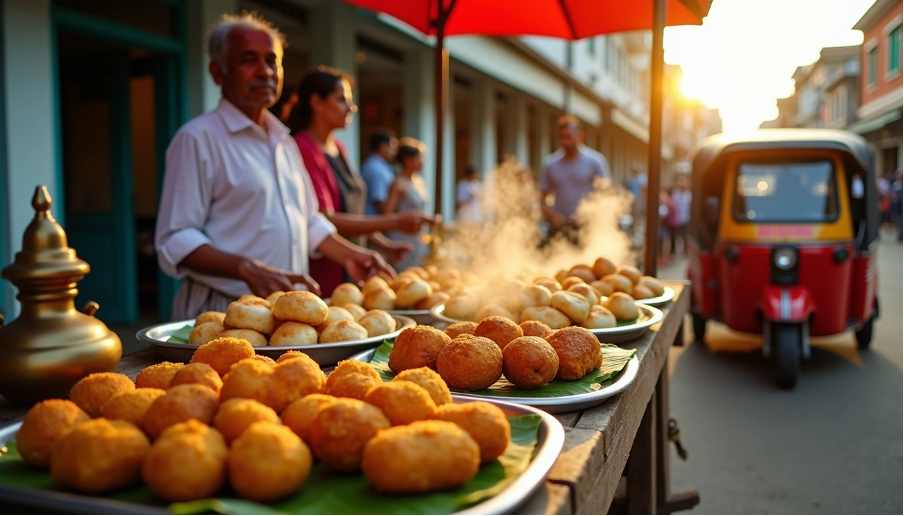
Sri Lankan street food packs incredible flavors into portable, affordable bites. Let me share eight amazing short eats you need to try on your visit.
1. Malu Paan (Fish Bun)
Malu paan stands out as the most popular short eat in Sri Lanka. The yeasted dough wraps around a tasty mix of tinned mackerel or tuna and mashed potatoes. Curry leaves, onions and pepper add a mild spice kick that makes these triangular buns perfect for breakfast or tea time. The dough turns soft and golden as it bakes around the savory fish filling.
2. Fish Rolls (Chinese Rolls)
These rolls have nothing to do with Chinese food, despite their name. A spicy potato and fish mixture gets wrapped in thin crepes and rolled into cylinders. The rolls are dipped in egg, coated with breadcrumbs, and fried until golden. Sri Lankans love these crispy treats and call them their favorite street food.
3. Cutlets (Fish or Mutton)
These croquette-style balls blend fish or mutton with potatoes, onions, and spices. A coating of egg wash and breadcrumbs turns golden and crispy when fried. The best cutlets crunch when you bite them, revealing a soft center that bursts with green chilies and black pepper flavors.
4. Patties (Fish or Vegetable)
Picture empanadas but with a Sri Lankan twist. These crescent-shaped treats feature crisp, golden pastry shells filled with goodness. Fish versions mix mackerel or tuna with potato and spices, while vegetable ones combine carrots, leeks, and curry-spiced potatoes.
5. Seeni Sambol Buns
Sweet caramelized onions, known as seeni sambol, fill these soft buns. The onions cook slowly with tamarind, cinnamon, cloves, and chili. This creates a rich filling that blends sweet, spicy and tangy flavors perfectly with the bread.
6. Elawalu Roti (Vegetable Roti)
This snack wraps thin godamba roti around tasty vegetable filling before hitting the pan. The dough soaks in oil to become stretchy enough to pull paper-thin. Potatoes, carrots, and leeks make common fillings, with pepper and spices adding extra kick.
7. Parippu Wade (Dhal Wade)
Yellow lentils mixed with chili flakes and curry leaves create these bite-sized delights. Roadside vendors shape and fry these patties right in front of you. The crispy outside gives way to a soft center that tastes best straight from the fryer.
8. Lavariya (Sweet Coconut String Hopper)
Sweet-toothed food lovers will adore lavariya. String hoppers (idiyappam) wrap around a filling of caramelized coconut sweetened with jaggery and cardamom. These steamed treats make breakfast special or pair perfectly with afternoon tea.
Where to Find the Best Street Foods
Finding authentic Sri Lankan street food turns into an adventure all its own. The island has many spots where you can try these tasty treats, and each place brings its own charm and specialty to the table.
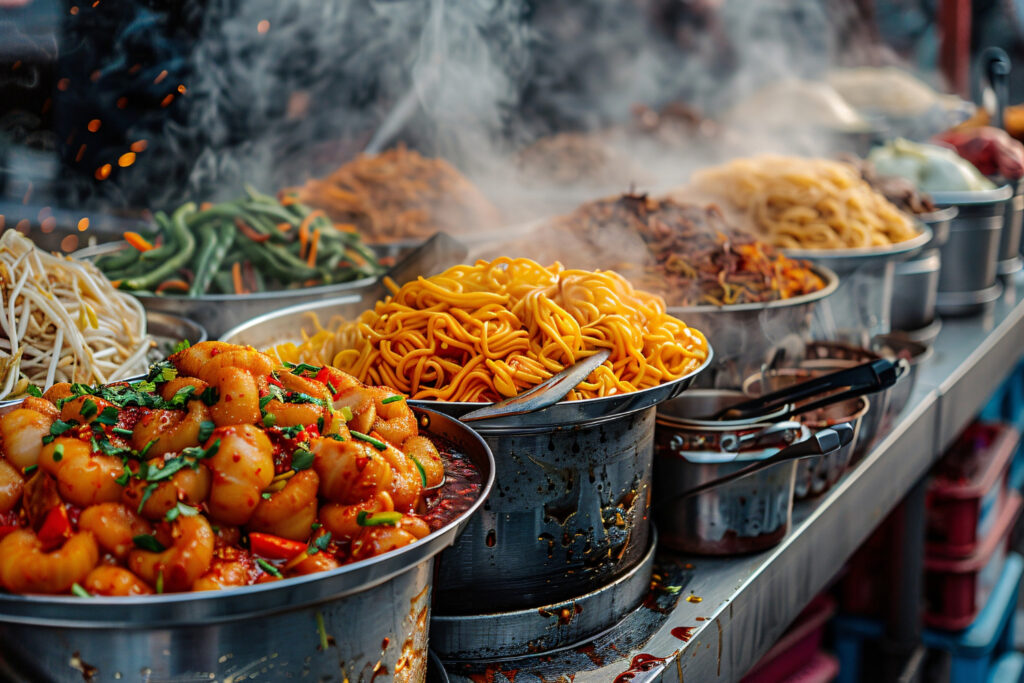
Local bakeries and street carts
Small street shops dot Sri Lanka’s landscape, locals call them “podi kade” and they’re a wealth of short eats. These simple, no-name spots usually have window cases packed with fresh pastries and snacks. The roadside stalls give you the most authentic experience at budget-friendly prices. You’ll find chain cafes like Perera & Sons, Fab, or Sen-Saal that serve similar food in comfortable settings with better hygiene standards, though prices run a bit higher.
Choon Paan tuk-tuks
Sri Lanka’s most charming food experience comes from musical bread trucks. These special tuk-tuks, known as “choon paan” (music bread), roam neighborhoods and play Beethoven’s “Für Elise” through speakers to let people know they’re nearby. These mobile bakeries became popular in the early 2000s and bring fresh buns, bread, and short eats right to residential areas. They make their rounds twice daily—early morning (6:30-8:30 AM) and afternoon (3:30-5:30 PM). The menu includes everything from kimbap buns (crocodile buns) to fish buns and seeni sambol buns.
Markets and train stations
Sri Lankan street food thrives at markets and train stations. Vendors at train stations sell samosas, sandwiches, and even string hoppers wrapped around sweet palm sugar. The central markets in towns like Kandy buzz with endless options, and vendors sell everything from spiced mango to fried snacks at incredibly low prices.
Popular spots like Galle Face Green
Galle Face Green in Colombo stands out as a street food lover’s paradise. This seaside promenade comes alive at sunset when dozens of food stalls serve specialties like isso vadai (prawn fritters), kottu roti, and fresh seafood. Ocean breezes, glowing food carts, and lively crowds create a magical dining atmosphere that shows off Sri Lanka’s street food culture at its best.
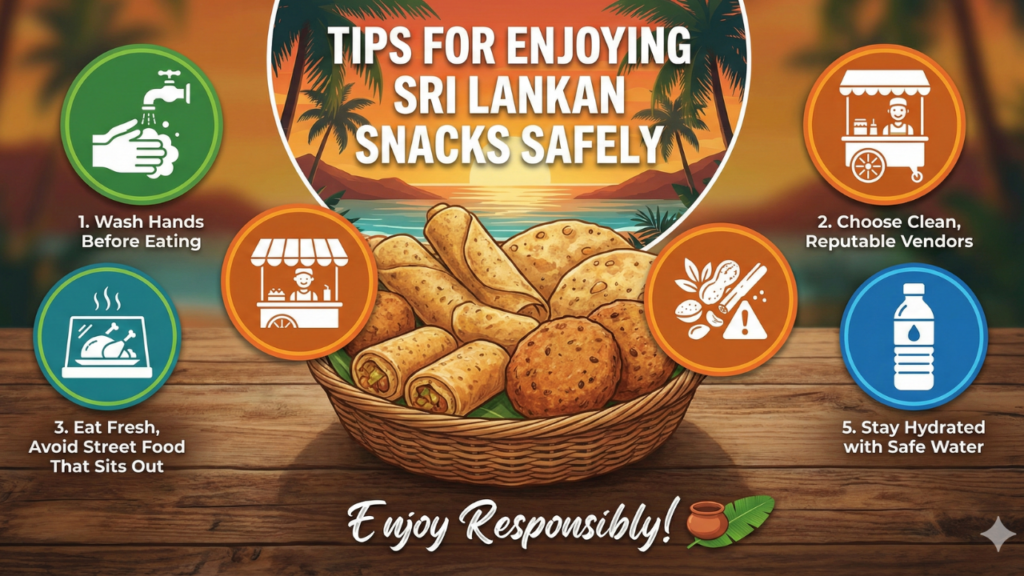
Tips for Enjoying Sri Lankan Snacks Safely
Sri Lankan street food offers a fantastic experience if you balance your sense of adventure with smart precautions. These simple tips will help you enjoy the food safely.
How to spot fresh vs. stale snacks
Street food vendors let you watch your food being made right in front of you. Your best bet is to look for hot, crispy short eats and stalls with lots of locals lined up. Stay away from food that’s been sitting out with flies buzzing around or vendors who reheat pre-cooked items. The best vendors shape waffles from fresh dough and fry them right there.
What to avoid in hot weather
The tropical heat in Sri Lanka makes food spoil faster. You need to be extra careful with fish and meat short eats, especially during hot afternoons. Food with coconut milk spoils faster than spiced items without it. You’ll be safer with vegetable snacks or sausage buns instead of fish rolls if you’re unsure about the conditions.
Best times to buy Short Eats
The freshest food comes out in the morning hours and around noon for lunch, before pre-made curries sit too long. Brilliant timing makes a big difference in food safety. Head to bakeries early and hit roadside stalls during rush hours when food sells quickly.
Budget traveler food tips
Short eats give you great value at about 50 LKR (0.30 USD) each. They make perfect budget-friendly meals. Some travelers feel a bit of stomach upset is worth the authentic experience. Just keep some simple medication handy.
Also Read: 10 Must-Try Sri Lankan Foods With Where to Find the Best in Each City
Conclusion
Sri Lankan short eats are more than just quick bites during your island adventures. These tasty snacks connect you directly to the country’s array of cultures and tell stories of colonial influences through every bite. The crispy exterior of fish rolls or the soft dough of malu paan show authentic Sri Lankan cuisine at its most available form.
Short eats become your trusted companions as you explore the island. You might grab a fresh pastry from a musical choon paan tuk-tuk for breakfast, enjoy vegetable roti during mid-morning breaks, or end your day with a spicy cutlet among locals at Galle Face Green. This daily snacking rhythm reflects the authentic Sri Lankan lifestyle that restaurants just can’t capture.
These snacks are perfect for budget travelers, and not just because they taste great. Each piece costs about 50 LKR (0.30 USD), so you can try authentic local food without spending much. On top of that, they make great companions for train rides through tea country or beach explorations.
You can enjoy street food safely here. Just follow what locals do – head to bakeries in the morning, pick busy vendors, and watch how they prepare your food. Hot items made right in front of you are usually safe and pack the most flavor.
Sri Lanka’s short eats represent something bigger than their ingredients. They show the island’s remarkable way of mixing different cultural influences into something uniquely Sri Lankan. British-inspired patties and Tamil vadai have become a food language that everyone on the island understands. Your first bite of malu paan or seeni sambol bun connects you to a delicious tradition shared by generations of Sri Lankans.
Key Takeaways
Discover Sri Lanka’s vibrant street food culture through “Short Eats” – affordable, flavorful snacks that offer authentic local experiences beyond any restaurant meal.
- Short eats cost just 50 LKR ($0.30) each, making them perfect budget-friendly meals that provide exceptional value for travelers exploring authentic Sri Lankan cuisine.
- Eight must-try varieties include malu paan (fish buns), Chinese rolls, cutlets, and patties – each reflecting the island’s diverse colonial influences from British, Chinese, and Tamil cultures.
- Find the freshest snacks at choon paan tuk-tuks playing “Für Elise”, local bakeries, and busy markets where high turnover ensures quality and safety.
- Visit during morning hours and choose vendors cooking on demand to enjoy the safest, hottest short eats while experiencing genuine Sri Lankan daily life.
- These portable treats serve as cultural bridges, connecting travelers to local traditions while providing convenient sustenance for train journeys and coastal explorations.
Short eats represent more than just snacks – they’re edible stories of Sri Lanka’s multicultural heritage, offering budget travelers an authentic taste of island life that no upscale restaurant can replicate.
FAQs
Q1. What exactly are “Short Eats” in Sri Lankan cuisine? Short Eats are small, portable snacks that are central to Sri Lankan food culture. They are typically stuffed, fried or baked treats that come in various shapes and sizes, ranging from savory options like fish buns and vegetable patties to sweet treats like coconut-filled string hoppers.
Q2. Where can I find the best Short Eats in Sri Lanka? You can find delicious Short Eats at local bakeries, street carts, markets, and train stations throughout Sri Lanka. For a unique experience, look out for “Choon Paan” tuk-tuks that play music while selling fresh-baked goods in residential areas. Popular spots like Galle Face Green in Colombo are also great for sampling a variety of street foods.
Q3. Are Short Eats safe for tourists to eat? While enjoying Short Eats is generally safe, it’s wise to take some precautions. Choose vendors with high turnover and watch food being prepared fresh. It’s best to buy Short Eats in the morning or during peak hours when items are freshest. Vegetable-based snacks are often a safer choice in hot weather compared to meat or fish options.
Q4. How much do Short Eats typically cost? Short Eats are very affordable, usually costing around 50 LKR (approximately 0.30 USD) each. This makes them an excellent option for budget travelers looking to experience authentic Sri Lankan cuisine without breaking the bank.
Q5. What are some must-try Short Eats for first-time visitors? Some essential Short Eats to try include Malu Paan (fish buns), Fish Rolls (also known as Chinese Rolls), Cutlets (fish or mutton), Vegetable Patties, and Seeni Sambol Buns. For those with a sweet tooth, don’t miss Lavariya, a sweet coconut-filled string hopper.