

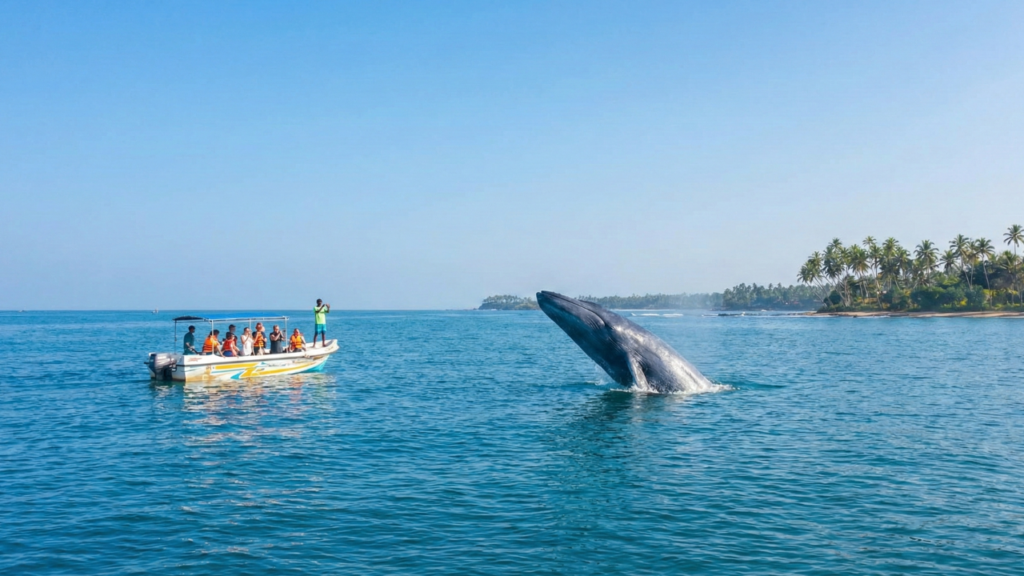
The waters off Mirissa offer one of the world’s best chances to see the magnificent blue whale – the largest animal that ever spread on Earth. These incredible creatures stretch up to 30 meters, about the same size as a Boeing 737 plane. Marine enthusiasts flock to Mirissa because it ranks as the world’s prime location to watch these gentle giants swim freely in their natural habitat.
Your chances of spotting whales soar above 90% between November and April, the peak season along Mirissa’s coast. Most whale watching trips run for 3.5 to 4 hours, though sea conditions can affect the duration. Tour operators here have built a solid reputation, and many earn stellar reviews – some maintain an impressive 4.7 out of 5 stars from hundreds of happy visitors.
Whale watching should be at the top of your Sri Lankan adventure list. Standard tours in 2026 cost between USD $50 to $80 per person, and they are a great way to get an amazing experience. This piece will help you find the best whale watching seasons, expected marine life sightings, current prices, reliable tour operators, and essential tips that make your whale watching adventure both memorable and eco-friendly.
Best Time for Whale Watching in Mirissa
The right timing can make or break your whale watching adventure in Mirissa. Sri Lanka has many whale watching spots, but Mirissa stands out thanks to its predictable seasons and excellent sighting rates.
Peak season: December to April
The best time to watch whales in Mirissa is between December and April as the ocean conditions along the southern coast create perfect viewing conditions. The dry season in southern Sri Lanka brings calmer seas and better visibility, which boosts your chances of seeing these magnificent marine mammals.
This window is special because blue whales swim through these waters, following their ancient routes along the continental shelf. During these peak months, your chances of seeing blue whales on a single trip can reach as high as 90%. The top operators report a 98% success rate for whale sightings between November and April, though nature never gives absolute guarantees. The calm seas make boat journeys comfortable and let vessels go further offshore where these massive creatures feed and travel. The weather stays pleasant with clear skies – perfect conditions for photography.
Off-season alternatives: Trincomalee (May to September)
Your whale watching dreams can still come true if you visit Sri Lanka outside Mirissa’s prime viewing period. The whale watching scene moves to Trincomalee on the island’s eastern coast from May through September. This creates a year-round chance to see whales somewhere in the country. Blue whales in Trincomalee swim close to shore—just 6-8 nautical miles from the harbor, about a 30-minute boat ride. The best viewing months run from June through September, with both blue whales and sperm whales making appearances.
Most operators in both spots cut back their tours once October arrives. Monsoon conditions make the seas rough and sightings rare. The chances of spotting whales drop fast in Mirissa between May and October, and seasickness becomes a real concern.
Why early mornings are better
Whale watching trips in Mirissa start between 6:00 AM and 7:00 AM, and with good reason too. Early morning trips give you several key advantages that can transform your experience. The waters stay calmer in the morning before the day’s heat stirs up stronger winds and choppier seas. Spotting whale spouts becomes easier on smooth water, and you’re less likely to get seasick. The early hours mean fewer boats on the water, creating a peaceful setting for both watchers and whales. Tours kick off before 7:00 AM, and you’ll need to check in around 6:00-6:30 AM. This early start lets you enjoy the best viewing conditions before the midday sun heats up and the sea gets rough.
Month-by-month breakdown
- November: The season starts as operators resume their tours, with decent chances of sightings. Conditions improve as the monsoon winds down.
- December to March: These are the golden months for whale watching in Mirissa. February and March bring the most consistent sightings, with blue whales often spotted near the continental slope.
- April: Sightings remain good, but weather patterns can change quickly late in the month as the monsoon approaches.
- May to October: Mirissa operators pause their tours. Rough seas and poor visibility make whale spotting tough, and many trips get canceled due to unsafe conditions.
What You Can See on a Whale Watching Tour
The pristine waters of Mirissa are home to amazing marine wonders. Each boat trip gives you a chance to meet nature’s most magnificent creatures. Your whale watching adventure will create memories that last a lifetime.
Blue whales: the main attraction
The blue whale stands out as the crown jewel of any Mirissa whale watching tour. These giants are the largest animals that ever lived on our planet. They grow up to 100 feet (30 meters) and can weigh up to 200 tons. This is a big deal as it means that they’re about the size of a Boeing 737 aircraft!
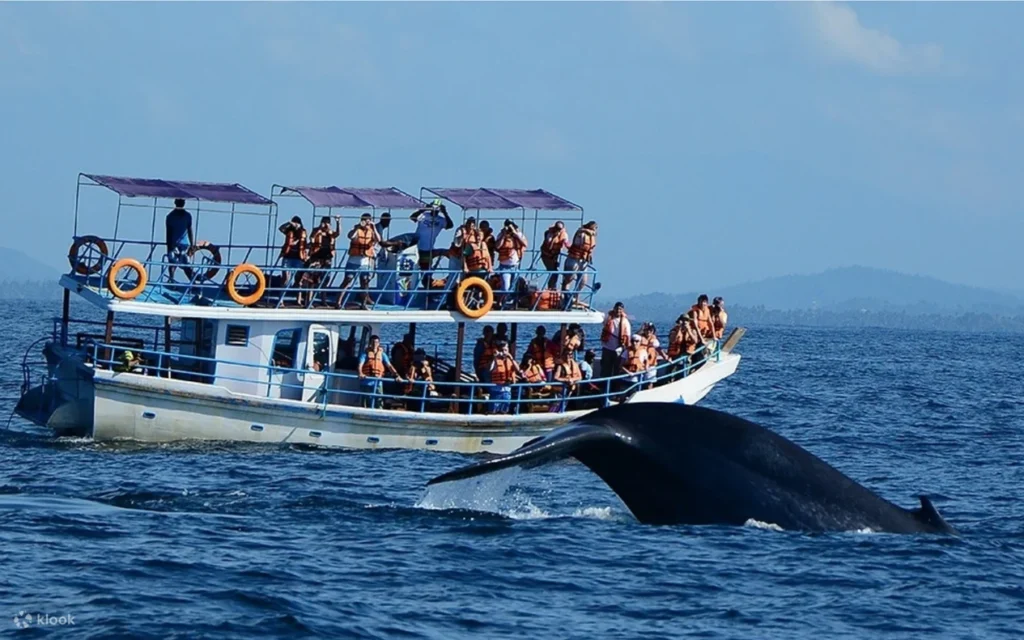
Blue whales move through the ocean at about five miles per hour. They surface to breathe every 9-12 minutes. You’ll spot a small puff of breath first, followed by their smooth blue-gray backs and finally their dorsal fin before they head back underwater. Experienced guides can predict where they’ll pop up next because these giants surface every 9 minutes, showing three crests before diving. These amazing creatures deserve special attention. They almost vanished due to aggressive whaling in the first half of the 20th century. The IUCN red list still marks them as endangered.
Other whale species: sperm, Bryde’s, fin whales
Mirissa’s waters attract many other whale species too. Sperm whales stand out with their massive block-shaped heads. These deep-diving hunters can plunge over 1,000 meters to find food. They’re smart giants with the largest brain of any known creature and can hold their breath for up to 90 minutes during deep dives.
Bryde’s whales might surprise you with their unexpected direction changes while swimming. They make short, powerful moaning sounds. These medium-sized whales shoot water 10 to 13 feet into the air when they surface. You might also see fin whales, minke whales, humpbacks, orcas (killer whales), sei whales, and pilot whales. Each species shows unique behaviors that make your whale watching experience special.
Dolphins and other marine life
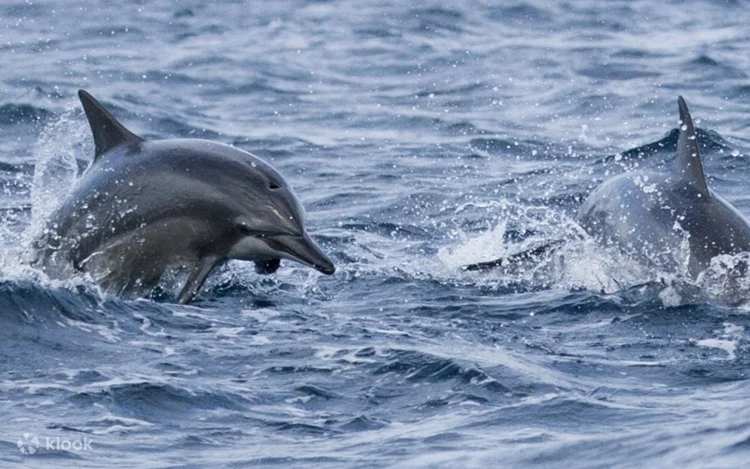
Playful dolphins fill Mirissa’s waters, especially spinner and bottlenose varieties. Spinner dolphins love to show off with their acrobatic spins and jumps. Bottlenose dolphins amaze visitors with their smarts and playful nature. You might also see striped dolphins swimming quickly in large groups. Your tour might include sightings of sea turtles, flying fish, manta rays, and whale sharks. Seeing these creatures in their natural home adds an extra thrill to your adventure.
How often sightings happen
Your chances of seeing whales during a Mirissa tour are excellent, especially in peak season. From November to April, sighting chances are above 90%. Many operators report success rates of 98-99%. All the same, blue whale sightings have dropped since 2018. Marine researchers found only four blue whale sightings in 2024 across Sri Lankan coasts, much lower than before. But sightings of Bryde’s whales, short-finned pilot whales, and various dolphin species have gone up. Many reliable operators back their tours with guarantees. If you don’t see whales, they’ll offer either a free tour another day or give part of your money back. This shows how confident they are about successful sightings, even as patterns change.
Mirissa Whale Watching Prices and What’s Included
The price of a whale watching experience in Mirissa will help you budget well and pick a tour that fits what you want. Your tour’s cost changes based on the boat you choose, how long you’re out at sea, and what extras come with it.
Standard tour prices (USD $50–$80)
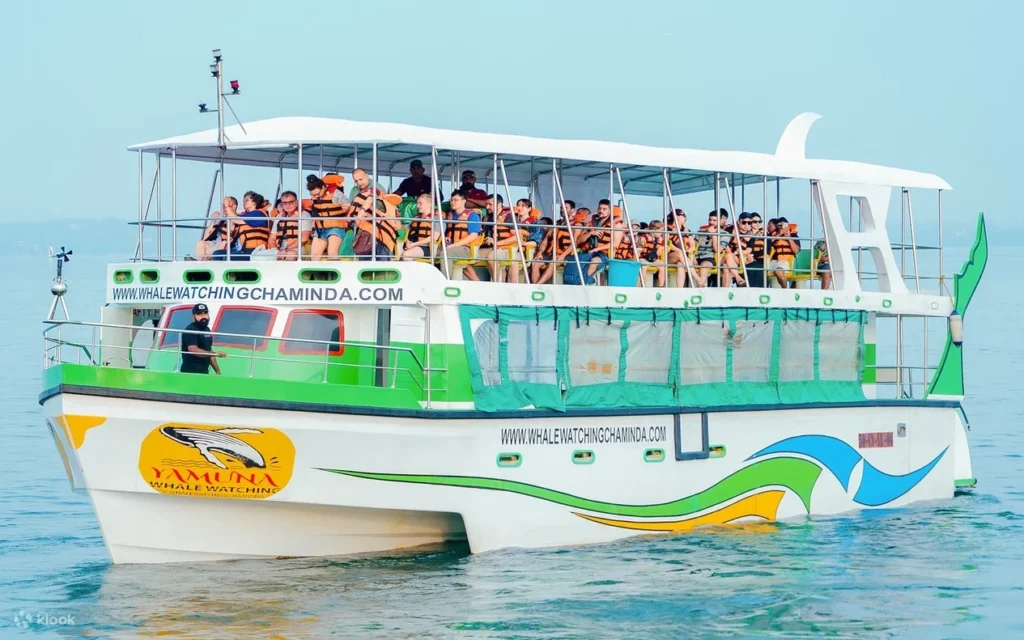
Standard whale watching packages give great value to most travelers. A ticket costs between USD $50 and $80 per person in 2026. These mid-range trips use medium-sized boats that fit 15-25 people. Prices tend to go up during peak whale watching season from December to April. Tour operators run daily trips, so you can easily fit one into your schedule. You’ll need to book ahead because spots fill up fast, especially in busy season. Last-minute bookings might cost you extra, so it’s smart to reserve your spot 2-3 days early.
Luxury and private boat options
You might want to look at luxury and private boats if you’d like something more exclusive. Premium whale watching starts at $100 per person. These tours have smaller groups, better comfort, and nicer amenities. A private charter will set you back $300-$500 for the whole boat, depending on its size and luxury level. Luxury boats come with bigger viewing areas, comfy seats, and better facilities. Private charters let you pick your departure time and route within safe hours. You’ll also get premium snacks, personal attention, and sometimes a professional photographer.
What’s usually included in the price
Every Mirissa whale watching tour covers the basics. Your ticket pays for the boat ride, simple refreshments, safety gear, expert crew guidance, and hotel pickup from Mirissa and nearby spots. Fancy packages might throw in a full breakfast, professional photos, marine biologist guides, better insurance, and proper meals. Some operators even give you materials about whale conservation and behavior.
Why cheaper isn’t always better
The cheapest whale watching tour might end up giving you a poor experience. Budget operators sometimes skimp on safety gear, hire less experienced guides, or use older boats with unreliable engines. On top of that, these tours often squeeze too many people onto one boat. Your choice should factor in ethical concerns too. Good operators keep their distance from marine life, run shorter tours to protect the environment, and support conservation. These practices might make the tour cost a bit more, but they keep you safe and protect the amazing creatures you’re there to see.
Choosing an Ethical Whale Watching Tour
Choosing a tour operator for your mirissa whale watching adventure goes beyond just comparing prices. Your choice directly affects these magnificent marine creatures’ wellbeing. The ethical aspects should guide your decision.
Signs of responsible operators
Ethical whale watching companies follow international guidelines and keep safe distances from whales with pride. You should look for operators who clearly state their commitment to approach distances at least 100 meters from whales. The best companies showcase their low-impact adaptations like quieter engines and eco-friendly practices. They never promise close encounters with whales but emphasize that interactions happen naturally on the animals’ terms.
Red flags to avoid
Watch out for operators who promise very close whale encounters or let tourists touch marine mammals. Unethical practices include getting too close to whales, making loud noises, chasing them, and disturbing sensitive habitats. You should also stay away from companies that overcrowd their boats some pack 100-130 tourists at once, which creates unsafe conditions.
Why ethics matter for marine life
Poor whale watching practices harm whale behavior deeply. Research shows high noise levels (172 decibels) reduce whale mothers’ resting time by 30% and double their respiratory rate. Whales often leave their essential feeding areas because of constant stress from tourist boats.
Recommended ethical tour providers
Raja & the Whales leads Mirissa’s whale watching scene with 14 years of expertise. They contribute valuable research data to international conservation organizations. Whale Watching Club offers another ethical choice by keeping their passenger count to 45 people.
What to Expect and How to Prepare
A proper preparation will give a comfortable and enjoyable experience during your Mirissa whale watching trip on the open ocean. Here’s what you can expect as you start this remarkable experience.
Tour duration and boat types
Whale watching trips last between 3-5 hours, and boats leave early, usually between 6:00-7:00 AM. You’ll spend about 2 hours to reach the deep waters where whales often surface after check-in. The boats come in different sizes to suit your needs. You can choose from spacious double-deckers that fit 40-80 passengers or smaller catamarans and speed boats for a more customized experience. The larger boats come with simple amenities like toilets, covered areas, and seating.
What to wear and bring
Light, breathable clothes with a waterproof jacket work best, and the mornings can get chilly. The sun’s rays reflect off the water, so protection is crucial. Bring a hat, sunglasses, and sunscreen. A water bottle, camera, binoculars, and shoes with good grip are great additions to your bag.
Tips for avoiding seasickness
Prevention works best if you get motion sickness. Take your medication before you board and stay in the middle of the boat where it’s most stable. Looking at the horizon helps your brain settle mixed signals from your senses. A light meal beforehand and staying hydrated are a great way to reduce nausea.
Safety considerations for families
Parents should check if the operator provides life jackets that fit their children properly. Good tour companies put safety first by giving safety briefings and keeping a safe distance from marine life.
Conclusion
Mirissa whale watching is one of the world’s most amazing wildlife experiences. You get to see majestic blue whales, Earth’s largest creatures among other fascinating marine species in this coastal Sri Lankan town. This makes it an amazing spot for ocean enthusiasts. The impressive 90-98% success rate during peak season makes this adventure worth adding to your Sri Lankan plans, even though sightings aren’t guaranteed.
The right timing makes a huge difference in your chances of seeing whales. December through April gives you the best conditions in Mirissa with calmer seas and better visibility. The action changes to Trincomalee on the eastern coast from May to September. The early morning trips at 6:00 AM aren’t just about scheduling you’ll get smoother waters, fewer crowds, and better views before the midday heat kicks in. Your patience will pay off with amazing sights of blue whales, sperm whales, different dolphin species, and maybe even sea turtles or manta rays.
Your choice of tour provider will affect both your experience and the welfare of these magnificent creatures. Don’t just pick the cheapest option. Look for operators who keep proper distances from wildlife, limit passenger numbers, and show real dedication to conservation. You might pay a bit more for an ethical experience, but it helps protect these endangered marine mammals and gives you a better encounter.
Good preparation is key before you start your whale watching trip. Pack sun protection, motion sickness remedies, and proper clothing layers. You’ll come back with more than just photos you’ll have a deeper appreciation for these gentle ocean giants and their delicate ecosystem. This amazing experience brings together wildlife viewing, ocean adventure, and conservation awareness. It’s much more than a tourist activity. Whale watching in Mirissa creates a special connection with some of our planet’s most extraordinary creatures, and these memories will stay with you long after your Sri Lankan experience ends.
Key Takeaways
Planning a whale watching adventure in Mirissa requires strategic timing and ethical choices to maximize both your experience and marine conservation impact.
- Visit December-April for 90%+ whale sighting success – Peak season offers calm seas and optimal blue whale migration patterns along Sri Lanka’s southern coast.
- Book early morning tours (6-7 AM) for best conditions – Calmer waters, fewer crowds, and better visibility before midday heat creates choppy seas.
- Choose ethical operators over cheapest options – Responsible companies maintain 100m whale distances, limit passengers, and support conservation efforts.
- Expect 3-5 hour tours costing $50-80 USD – Standard packages include boat trip, safety equipment, refreshments, and hotel transfers from Mirissa area.
- Prepare for seasickness and sun exposure – Bring motion sickness medication, sun protection, and position yourself mid-boat for stability.
The waters off Mirissa offer encounters with blue whales (Earth’s largest animals), sperm whales, dolphins, and sea turtles. While recent years show declining blue whale numbers, other cetacean sightings remain strong. Your choice of ethical tour operator directly impacts marine welfare—responsible whale watching ensures these magnificent creatures continue thriving for future generations to witness.
FAQs
Q1. What is the best time for whale watching in Mirissa? The peak season for whale watching in Mirissa is from December to April. During this period, you have the highest chance of spotting whales, especially blue whales, due to calmer seas and better visibility.
Q2. How much does a typical whale watching tour in Mirissa cost? Standard whale watching tours in Mirissa typically cost between USD $50 to $80 per person. This usually includes the boat trip, basic refreshments, safety equipment, and hotel transfers from the Mirissa area.
Q3. What types of marine life can I expect to see on a Mirissa whale watching tour? While blue whales are the main attraction, you may also spot other whale species like sperm whales and Bryde’s whales. Additionally, you might see various dolphin species, sea turtles, and occasionally manta rays or whale sharks.
Q4. How can I choose an ethical whale watching tour operator? Look for operators who maintain a safe distance from whales (at least 100 meters), limit passenger numbers, and demonstrate a commitment to marine conservation. Avoid those promising extremely close encounters or allowing touching of marine mammals.
Q5. What should I bring on a whale watching tour? It’s recommended to bring sun protection (hat, sunglasses, sunscreen), a light jacket for early morning chills, a water bottle, and a camera. If you’re prone to seasickness, consider bringing motion sickness medication as well.