

A walking tour of Galle Fort feels like stepping back in time. The site boasts an impressive 4.8 out of 5 bubbles from 314 visitors. This UNESCO World Heritage Site perfectly combines colonial charm with coastal beauty, making it one of Galle’s most fascinating attractions.
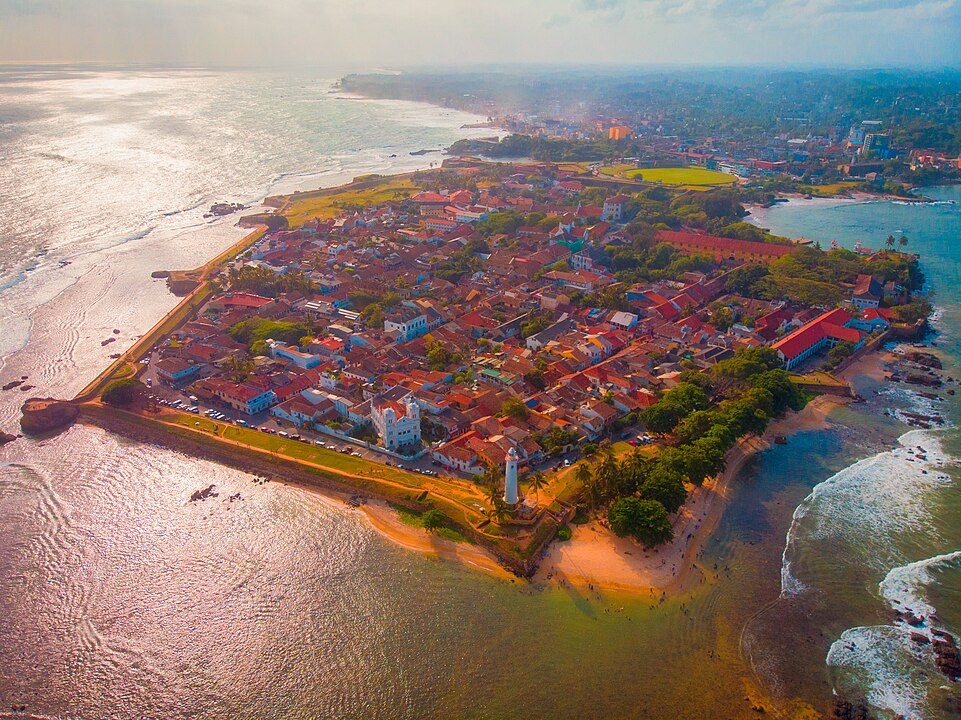
The Portuguese built this magnificent fort in the 16th century. Before the Dutch took control in the 17th century, the fort’s rich colonial past lives on through its architecture and design. The thick, solid walls have protected the old town for centuries. These same walls even saved it from the devastating 2004 tsunami that damaged many other coastal areas.
The fort’s historic streets hide architectural gems at every turn. The Galle Lighthouse, Sri Lanka’s oldest light station, stands proudly alongside the clock tower built in 1833. Stories of cultural fusion and historical significance echo through colonial villas and busy cafes.
This piece guides you through the best sights, hidden spots, local eateries, and the incredible history of this cherished destination. History buffs, architecture enthusiasts, and curious travelers will love their time exploring Galle Fort’s colonial heritage.
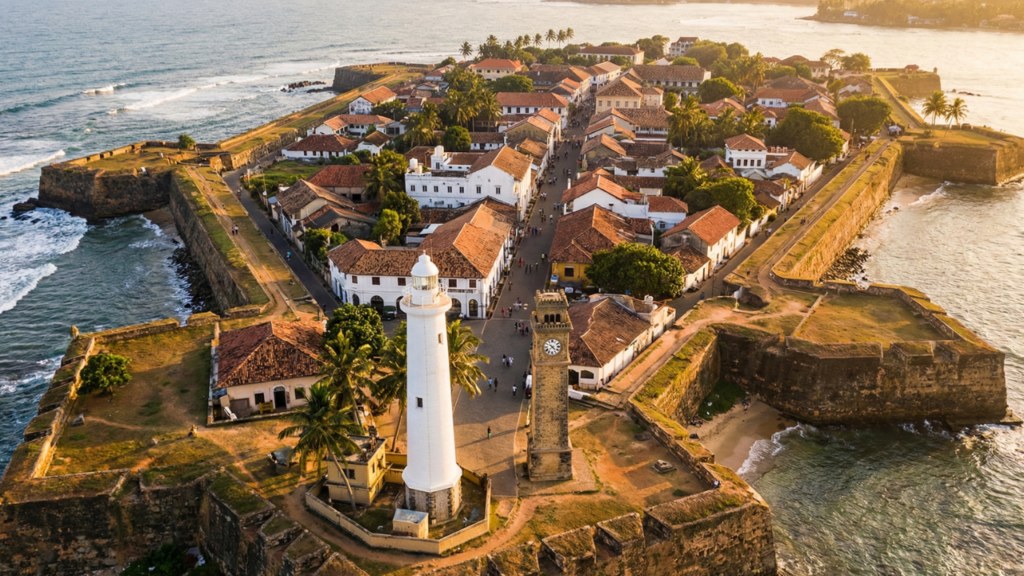
Galle Fort’s Origins: A Walk Through Time
Portuguese settlers built a small fortification on Sri Lanka’s southwestern coast in 1588. They started with a simple earthen structure that had palisades and three bastions to protect their maritime interests. Their control didn’t last long.
Portuguese beginnings and Dutch expansion
Your walking tour of Galle Fort takes you through grounds that colonial powers fought over for centuries. The Dutch East India Company launched a decisive attack against the Portuguese stronghold in 1640. Dutch forces captured Galle after a brief but fierce siege and saw its strategic value for controlling regional trade routes.
The Dutch turned the modest Portuguese fortification into an impressive military complex. They spent the 17th century expanding the fort and building fourteen formidable bastions connected by massive ramparts around the peninsula. The fort featured sophisticated European military architecture with a network of underground tunnels and chambers to store supplies and ammunition.
Dutch engineers created a miniature colonial town inside the fort walls with a grid pattern of streets that still exists today. The administrative buildings, warehouses, homes, and churches they built showed classic Dutch colonial design with gabled roofs and spacious verandas suited to tropical weather. The Galle Fort you see on your walking tour today shows Dutch engineering brilliance more than Portuguese design.
UNESCO World Heritage status
Galle Fort earned UNESCO World Heritage status in 1988. The largest remaining European-built fortress in South Asia stood out for its exceptional preservation. The fort kept its architectural character intact, unlike many other colonial structures.
UNESCO highlighted the fort’s unique “urban ensemble, which illustrates the interaction of European architecture and South Asian traditions.” Your walk through the narrow streets reveals this blend of Dutch colonial structures with local design influences and building techniques.
The heritage status helped save this historical treasure. Restoration work picked up after the recognition to preserve the fort’s authentic character while adding modern tourist facilities. The colonial architecture stays protected through strict building rules that keep the fort’s historical atmosphere alive.
How the fort survived the 2004 tsunami
The fort faced its biggest test on December 26, 2004, when a massive tsunami hit Sri Lanka’s coastline. The waves killed over 40,000 people across the island and wiped out many coastal areas. The fort emerged almost untouched while nearby Galle town suffered heavy damage.
The fort survived thanks to clever 17th-century Dutch design. The vast coral and granite ramparts stood 18 feet high and stretched 130 feet wide in places, working like a seawall. The fort’s position on a rocky promontory helped split the waves around the fortifications instead of over them.
Your walk along the ramparts lets you appreciate this fantastic feat of engineering. These walls were built to stop cannon fire centuries ago, but ended up protecting the fort’s residents from nature’s fury. It shows how historical architecture can serve purposes way beyond its original design.
Architectural Highlights You Shouldn’t Miss
A fascinating blend of European and Asian influences greets you at every turn during your Galle Fort walking tour. These centuries-old structures tell the story of Galle’s rich multicultural heritage through their colonial buildings and towering lighthouses.
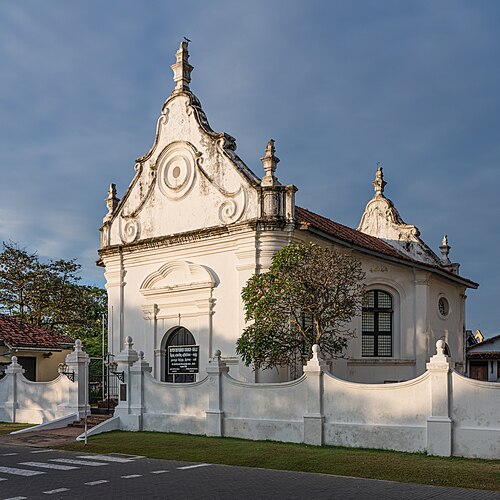
Galle Lighthouse and Clock Tower
The iconic white Galle Lighthouse stands at the fort’s southeastern end. It serves as both a working maritime guide and a perfect spot for photographers. The current 26.5-meter beacon was built in 1939 after fire destroyed the original 1848 structure. This beacon remains Sri Lanka’s oldest light station, still operating today. The late afternoon offers the best photo opportunities as golden sunlight creates stunning contrasts against the white exterior.
The Galle Fort Clock Tower sits a short distance away. Built in 1883, it honors Dr. Peter Daniel Anthonisz, a prominent physician who served the community. The tower’s brown brick construction and European design naturally complement the lighthouse’s white presence. These landmarks have become the most photographed spots on Galle Fort tours.
Dutch Hospital and colonial villas
The Dutch Hospital Shopping Precinct stands as a prime example of colonial architecture. Dutch sailors and officials used this 1600s complex, which features wide verandas and massive teak beams. The building’s Dutch colonial style adapted well to tropical weather. Modern boutiques and restaurants now occupy the space, while careful preservation protects its historical character.
Beautiful colonial villas dot the fort’s landscape. These homes feature central courtyards for natural cooling, ornate columns under wide verandas, and detailed wooden doors and window frames. Dutch, British, and Portuguese influences blend naturally with local Sri Lankan elements in their design. Visitors can experience this grandeur firsthand since many historic homes now serve as boutique hotels and cafes.
Groote Kerk and Sudharmalaya Temple
Groote Kerk, the Reformed Protestant Dutch Church, ranks among Sri Lanka’s oldest Protestant churches. Completed in 1755 with renovations in 1760, this church features a unique hexagonal floor plan and gabled roof. Dutch inscriptions on tombstones in the floor and walls tell stories of colonial administrators and their families. Regular services continue here, creating a living link to the fort’s Dutch heritage.
Sudharmalaya Temple offers a Buddhist counterpoint to European religious architecture. This modest temple fits naturally among the surrounding colonial structures and represents Galle Fort’s cultural diversity. Its presence shows how local traditions stayed strong despite centuries of colonial rule.
These architectural gems create Galle Fort’s distinct character. Your walking tour reveals how these diverse structures form a unified architectural landscape that endures through time.
Experience the Fort Like a Local
The real magic of a Galle Fort walking tour goes beyond its colonial architecture. You’ll experience life just like the locals do in this living heritage site. More than 400 buildings stand here, and families have called this place home for generations.
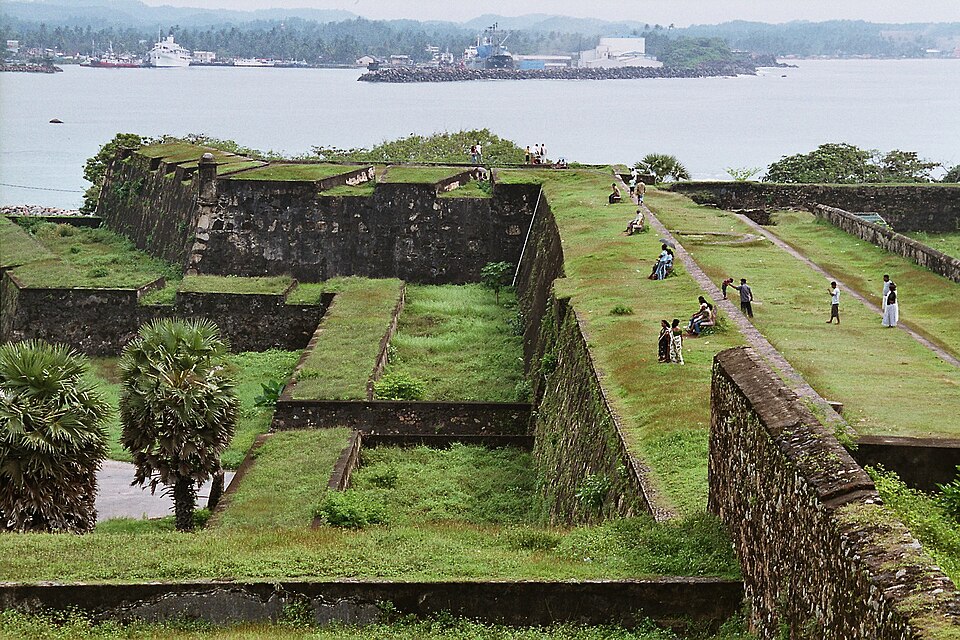
Walking the ramparts at sunset
The fort comes alive as the afternoon light fades. People gather along the western ramparts around 5:30 pm for what many call the quintessential Galle experience. These stone walls, built long ago for defense, now give you the perfect spot to watch the sun melt into the Indian Ocean.
The sunset brings everyone together in this vibrant space. You’ll see cricket games on grassy patches below, families enjoying picnics, and travelers sharing stories while the sky moves through shades of orange, pink, and purple. The Triton Bastion gives you memorable views, though you’ll catch breathtaking scenes from anywhere along the western wall.
Talking to shopkeepers and residents
The people make Galle Fort special – a community with deep roots. Many families here trace their history back generations, especially in the Muslim community descended from Arab traders. Local photographer Atheeq Ifthikar, born into a Fort family, puts it this way: “The Fort has basically been my university. It’s where I’ve learnt everything”.
The fort’s charm lies in its close community feel. Ifthikar notes, “Here, if people see someone they know, they always stop and say hi. A route which would normally take 30 seconds takes 5 minutes in the Fort because people always stop to speak to you”. Shop owners and cafe keepers are happy to share stories about their family’s connection to the fort.
Finding quiet corners and alleys.
The fort shows its true character away from the tourist-filled main streets. You can step beyond Pedlar Street’s boutiques and explore side lanes where local life flows naturally. The streets follow a grid pattern that makes navigation straightforward, yet still leaves room for discovery.
Quiet moments await in the early mornings, before the day heats up. You might stumble upon the grand banyan tree at Court Square or follow narrow paths to hidden courtyards. Some parts of the ramparts stay peaceful and undiscovered, perfect for a moment of reflection surrounded by history.
A resident puts it beautifully: “Without its memories, Galle Fort will just be empty facades, like Disneyland”. When you experience the fort like a local, you connect with the memories that give this extraordinary place its soul.
Taste the Fort: Where to Eat and Drink
Galle Fort’s food scene delights visitors with everything from cozy cafes to upscale restaurants housed in colonial buildings.
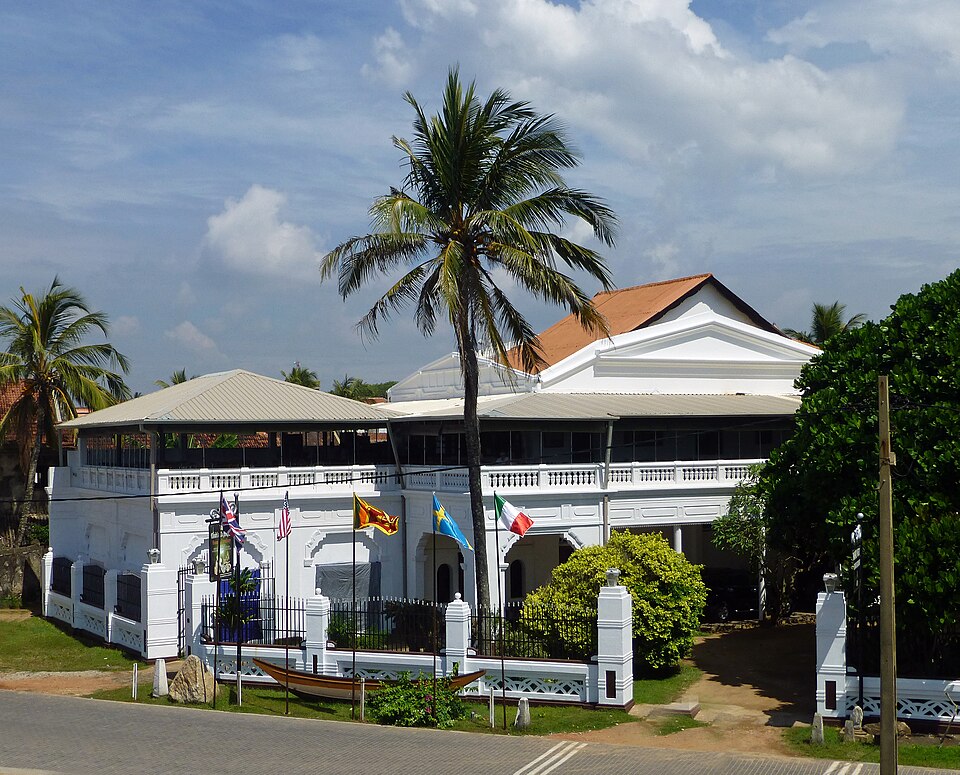
Best cafes for breakfast and coffee
KiXi, a three-story local favorite, brings tourists and residents together with its signature creamy lattes topped with floating ice teddy bears. Royal Dutch Cafe stands out with its egg masala roti and welcoming vibe. Heritage Cafe & Bistro adds to the mix with quality Italian Lavazza coffee served in a charming colonial space.
Local food spots for lunch and dinner
Coconut Sambol delivers an authentic Sri Lankan experience. This small, homey spot serves a tasty rice and curry buffet for approximately 500 rupees. The Bungalow draws diners with its garden setting and creative Sri Lankan fusion dishes. Seafood lovers should check out The Tuna and The Crab, which showcases local tuna and crustaceans with Japanese flair.
Arrack tasting and evening drinks
A visit to Galle Fort isn’t complete without trying arrack, Sri Lanka’s signature coconut flower spirit. Ropewalk at the historic Galle Fort Hotel has emerged as the fort’s go-to arrack spot since opening in June 2023. Skilled bartenders create unique drinks like the GFH Arrack Sour that blends local Rockland arrack with lime, lemongrass, and ginger. You can also try a guided arrack tasting experience that matches five specialty arracks with local snacks.
Plan Your Visit: Tips and Practical Info
You’ll need to plan your timing, transportation, and where you’ll stay to make the most of your Galle Fort walking tour. Good planning will give a memorable experience of this historical gem on Sri Lanka’s southern coast.
Best time to visit Galle, Sri Lanka
December through March brings the best weather to learn about Galle Fort. You’ll find minimal rainfall, which is perfect for sightseeing. February is the best month with plenty of sunshine and dry conditions. The Galle Literary Festival draws culture lovers in January, but early January gets crowded due to local holidays. Budget travelers should think about visiting from May to September. Prices drop substantially during the southwest monsoon season.
How to get to Galle Fort
The train ride from Colombo to Galle offers stunning views along the palm-fringed coastline and takes about 2.5 hours. Trains run throughout the day, and second-class tickets cost around 180 LKR. Air-conditioned buses leave every 20 minutes from Maharagama station in Colombo. They take a faster inland route on the Southern Expressway. Visitors landing at Bandaranaike International Airport can choose between a two-hour drive, daily seaplane flights to nearby Koggala, or a one-hour helicopter ride straight to Galle.
Where to stay inside or near the fort
Staying within Galle Fort’s historic walls lets you walk to all major attractions and gives you an authentic experience. The elegant Amangalla occupies a 17th-century colonial building. At the same time, the charming Fort Bazaar features 18 rooms around a courtyard in a restored merchant’s home. Guesthouses outside the fort walls are easier on your wallet and just a short tuk-tuk ride from leading sites.
Conclusion
Galle Fort stands as clear evidence of Sri Lanka’s rich colonial heritage and vibrant present. This UNESCO World Heritage Site is nowhere near just ancient walls and historic buildings – it’s a chance to experience centuries of cultural exchange. Your self-guided walking tour will help you find how Portuguese foundations led to Dutch state-of-the-art design. This architectural ensemble has stood firm against time and natural disasters.
The fort’s striking features tell stories of European influence adapted to tropical conditions. The iconic white lighthouse and well-preserved Dutch Hospital showcase this perfectly. The fort’s true character comes from its people. Residents who trace their ancestry through generations of fort dwellers bring these historic streets to life. Their stories and routines turn a potential museum visit into a real cultural exchange.
On top of that, the food scene makes your Fort Worth visit better by a lot. Each meal becomes part of your fort experience – from aromatic coffee at charming cafes to authentic Sri Lankan dishes at local spots. You can connect with Sri Lankan heritage by tasting arrack, the country’s traditional coconut spirit.
Brilliant timing will improve your visit without a doubt. The western ramparts at sunset create lasting memories as locals and visitors gather for nature’s daily show. Cricket games unfold below while the sky becomes a canvas of bright colors during these golden hours.
Your self-guided walking tour through Galle Fort shows something rare in today’s world – a perfectly preserved colonial settlement that lives and breathes as a community, not just a tourist spot. The fort ended up surviving centuries of political change and natural disasters, showing both Dutch engineering skill and the Sri Lankan people’s strength.
The fort’s cobblestone streets will give you a deeper appreciation for Sri Lanka’s complex heritage, whether you spend an afternoon or several days here. It shows how historical preservation and modern life can work together perfectly.
Key Takeaways
Discover how to maximize your self-guided exploration of this UNESCO World Heritage Site through these essential insights:
- Visit during December-March for optimal weather – dry conditions and minimal rainfall make this the perfect time for walking tours and sunset viewing along the ramparts.
- Experience sunset on the western ramparts as locals do – join residents around 5:30 pm for spectacular ocean views and an authentic community atmosphere.
- Explore beyond main tourist streets to find authentic fort life – venture into quiet alleys and strike up conversations with multi-generational residents who bring the fort’s history to life.
- Sample arrack at Ropewalk for an authentic Sri Lankan experience – taste the traditional coconut spirit in expertly crafted cocktails at the fort’s premier arrack destination.
- Stay inside the fort walls for the most immersive experience – historic accommodations like Amangalla place you steps away from all attractions while supporting the living heritage community.
Galle Fort’s unique appeal lies in being both a perfectly preserved colonial settlement and a thriving community where 400+ buildings house generations of families who maintain its authentic character.
FAQs
Q1. How much time should I allocate for exploring Galle Fort? A full day is sufficient to see the main sights, but staying 2-3 days allows for a more relaxed pace and deeper exploration of the fort’s hidden corners and local life.
Q2. What are the must-see attractions within Galle Fort? Key attractions include the Galle Lighthouse, Clock Tower, Groote Kerk (Dutch Reformed Church), All Saints’ Church, and the Old Dutch Hospital. Don’t miss walking the ramparts at sunset for stunning views.
Q3. Is there a particular historical building I shouldn’t miss in Galle Fort? The Old Dutch Hospital is one of the fort’s oldest and most significant structures. Dating back to the Dutch colonial era, it’s now beautifully restored and houses shops and restaurants.
Q4. What’s the best way to experience local culture in Galle Fort? Venture beyond the main tourist streets into quieter alleys, chat with shopkeepers and residents, and join locals for the sunset ritual on the western ramparts.
Q5. Are there any unique culinary experiences in Galle Fort? Don’t miss trying arrack, Sri Lanka’s traditional coconut spirit. Visit Ropewalk for expertly crafted arrack cocktails or join a guided tasting session pairing different arracks with local snacks.