

Travel enthusiasts are starting to find what locals have known all along, northern Sri Lanka tells an entirely different story from its southern counterparts. The northern region provides a more authentic experience compared to bustling tourist hubs in the south. Visitors often find themselves alone at stunning temples, beaches, and historic sites. The north has gradually welcomed tourists after being at the center of Sri Lanka’s civil conflict from 1983 to 2009. This resilient region will become a rising star by 2025, attracting travelers who seek genuine cultural encounters without the crowds. Jaffna, the vibrant heart of northern Sri Lanka, captivates visitors with its rich Tamil traditions and colonial remnants that create an atmosphere unique to this part of the country.
The peninsula’s special character comes from its location; it sits closer to India than to Colombo, sharing strong cultural ties with Tamil Nadu across the Palk Strait. These Indian connections have made Jaffna a natural center for Tamil settlement. The impressive Nallur Kandaswamy Temple stands here as Sri Lanka’s most magnificent Hindu temple. Visitors during August or September might witness the spectacular Nallur Festival that draws more than 200,000 pilgrims from Sri Lanka and beyond. Streets come alive with decorative mango leaves, coconut fronds, and flowers. This vibrant display showcases the region’s deep spiritual heritage. The historic Jaffna Peninsula and Mannar’s pearl-fishing waters once drew Arab and European merchants. Today, these places promise discoveries that few tourists have experienced. This piece takes you beyond the usual tourist trail into an ancient land that’s ready to share its secrets.
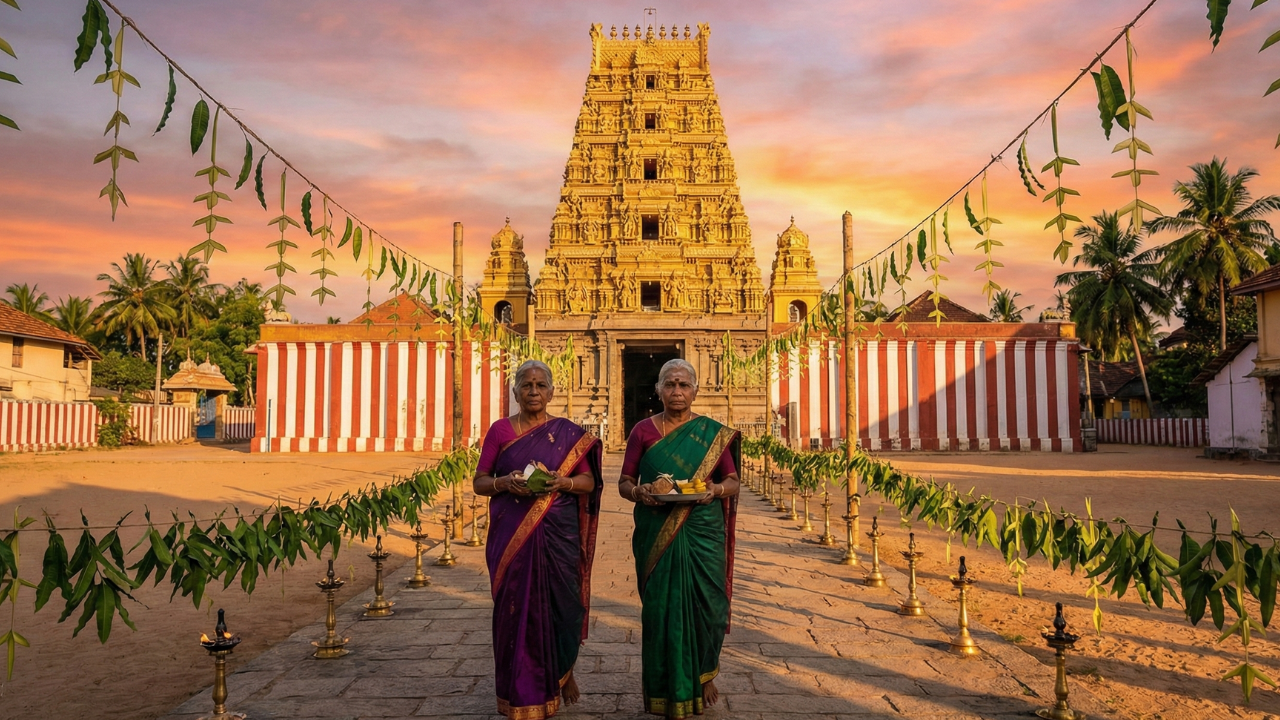
Immersing in Jaffna’s Spiritual and Cultural Core
The temples and rituals of northern Sri Lanka paint a vivid picture of its spiritual essence. These religious traditions have endured centuries of change and are deeply woven into Jaffna’s identity.
Nallur Kandaswamy Temple Rituals
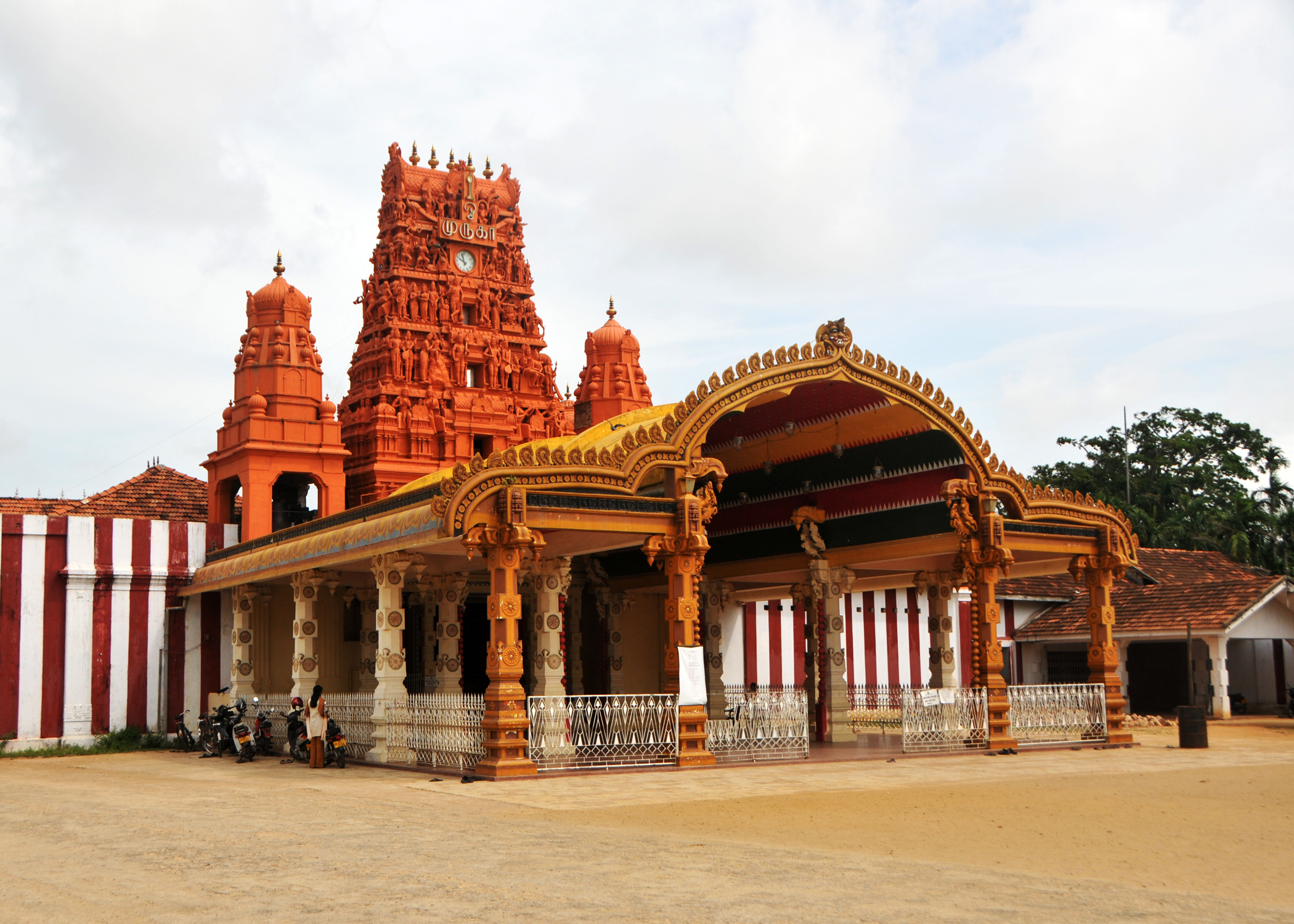
Nallur Kandaswamy Temple stands proud as Jaffna’s spiritual centerpiece. This sacred Hindu complex honors Lord Murugan (Skanda). It engages visitors with its golden gopuram (entrance tower) reaching toward the sky. You’ll see genuine devotion here, unlike typical tourist spots. Bare-chested priests perform age-old rituals that remain true to their ancient roots. The temple awakens at dawn with morning pujas, filled with the sweet scent of camphor and jasmine. Devotees walk around the inner sanctum with their palms joined in prayer. You should visit during one of the six daily prayer ceremonies. The evening ritual feels special as oil lamps light up the sacred space. The Nallur Festival brings the surrounding streets to life with color and devotion. This 25-day August celebration sees devotees fast, walk on fire, and join chariot processions that reflect Jaffna’s deep faith.
Daily Life Around the Temples
Temple activities shape Jaffna’s daily rhythm beyond prayer times. Communities near Nallur and other major temples plan their days around religious events. Flower sellers set up their fragrant offerings by the temple gates early in the morning. Nearby stalls prepare traditional prasadam (blessed food) like sweet pancakes and savory vadai. Women dressed in colorful saris gather at temple wells to collect holy water for their home shrines.
The main temple areas buzz with small family businesses that have served devotees for generations. They sell brass lamps, incense, and religious items. Local people often pause at roadside shrines during their daily commute, showing how faith blends naturally into their routines. Many families also keep personal shrines at home. They perform daily rituals before starting their day, creating a spiritual bond between public temples and private homes across the Jaffna peninsula.
The Soundscape of Jaffna: Drums, Bells, and Chants
Jaffna’s spiritual essence comes alive through its unique sounds. The city speaks in sacred tones that guide locals through their day and link them to their heritage. Temple bells ring at dawn, calling people to morning prayers. Sacred sounds mark the day’s progress – drums beat to start ceremonies while mantras echo from temple courtyards. Traditional temple music comes from the nadaswaram (a double-reed wind instrument) and thavil (a barrel-shaped drum). These melodies float through Jaffna’s neighborhoods, especially during festivals and temple weddings.
The sounds of faith reach beyond temple boundaries. You’ll hear ankle bells from classical dancers at cultural events, schoolchildren saying prayers before class, and older adults quietly counting prayer beads on their verandas at sunset. This rich sensory experience helps you understand how Jaffna’s spiritual traditions have kept its people strong through centuries of change. These practices have created a unique cultural identity that sets it apart from the rest of Sri Lanka.
Hidden Places You Shouldn’t Miss
Northern Sri Lanka holds remarkable treasures that most travelers miss, hidden away from bustling markets and spiritual sanctuaries. These lesser-known spots reveal Jaffna’s complex identity and give you quiet moments to connect with nature and history.
Casuarina Beach: Northern Sri Lanka’s Quiet Shore
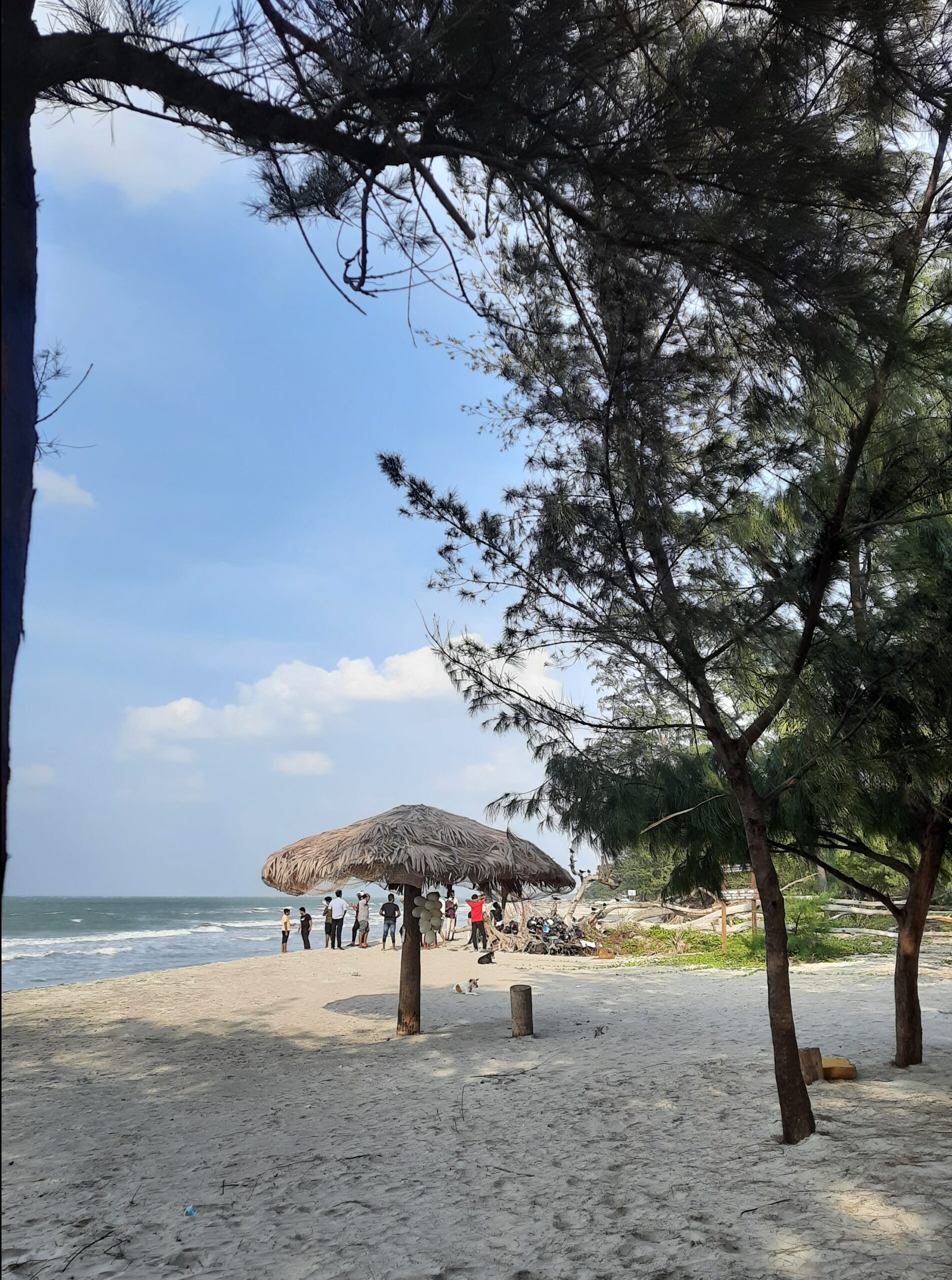
The northwestern edge of the Jaffna peninsula is home to Casuarina Beach, where golden sand meets swaying casuarina trees. This peaceful coastline stands in sharp contrast to Sri Lanka’s packed southern beaches. The crystal-clear waters are perfect for families. You can walk almost 100 meters into the sea while keeping your feet on the sandy bottom. Local fishermen arrive at dawn to pull in their nets, giving visitors a glimpse of traditional coastal life that has supported these communities for generations. The beach stays quiet even on weekends. You’ll find plenty of space to relax under distinctive pine-like trees as they sway in the sea breeze.
Nilavarai Bottomless Well
A short drive from Jaffna town lies Nilavarai Bottomless Well, a site where local mythology meets geological wonder. This ancient water source looks simple, but it connects to vast underground freshwater chambers. Tamil folklore says Lord Rama created the well with his arrow during his travels. Scientists have proven its incredible depth, though no one knows if it’s truly bottomless. Local divers who explored its underwater caverns found a unique ecosystem inside. Paddy fields surround the well, creating beautiful views, especially when the afternoon light bathes the countryside. The site charges a small fee that helps maintain this natural wonder.
Madhu Church: A Symbol of Unity
Madhu Church represents religious harmony in a region that was once divided by conflict. This 400-year-old Catholic shrine attracts pilgrims of all faiths who seek blessings from its miraculous Mother Mary statue. The church’s role as a refugee sanctuary during civil war makes it special. It protected thousands of people, no matter their faith or background. A museum on the grounds displays artifacts from this period, including items from grateful families who found safety here. Every August, this quiet church comes alive with a festival. Visitors from across Sri Lanka and beyond join the celebrations, showing how far the country has come in its healing process.
Kilinochchi War Memorial and Water Tower
Two monuments in Kilinochchi town, 100km south of Jaffna, tell powerful stories about Sri Lanka’s recent past. The destroyed water tower stands untouched, a stark reminder of conflict’s toll. Next to it rises the Victory Monument – a concrete cube pierced by a bullet-shaped structure. People view this memorial differently based on their war experiences. These sites help visitors understand northern Sri Lanka’s path to peace. Both monuments let thoughtful visitors reflect on resilience and reconciliation while acknowledging the region’s challenging history.
Island Adventures off the Jaffna Coast
A string of islands lies just off the Jaffna peninsula. Each island tells its own story and holds its own unique charm. Life moves at a gentle pace in these remote corners of northern Sri Lanka.
Delft Island’s Coral Walls and Ponies
Delft Island (Neduntheevu) stands as a world apart from the rest of Sri Lanka. This coral island in the Palk Strait bears the marks of Portuguese, Dutch, and British rule that created a rich blend of culture and architecture. Wild ponies make this place truly special. These beautiful creatures descended from horses that Portuguese colonizers brought in the 16th century. About 500 of these semi-wild animals now roam freely across windswept plains and gather near water when the weather turns dry.
The island’s coral geology stands out in its architecture. Early settlers built walls and structures from coral stone. These ingenious boundaries still mark the landscape today. The island also features a Dutch fort’s remains, a massive baobab tree planted by Arab traders, and a fascinating pigeon house that once carried messages between Delft and the mainland.
Kayts Island’s Forgotten Dutch Homes
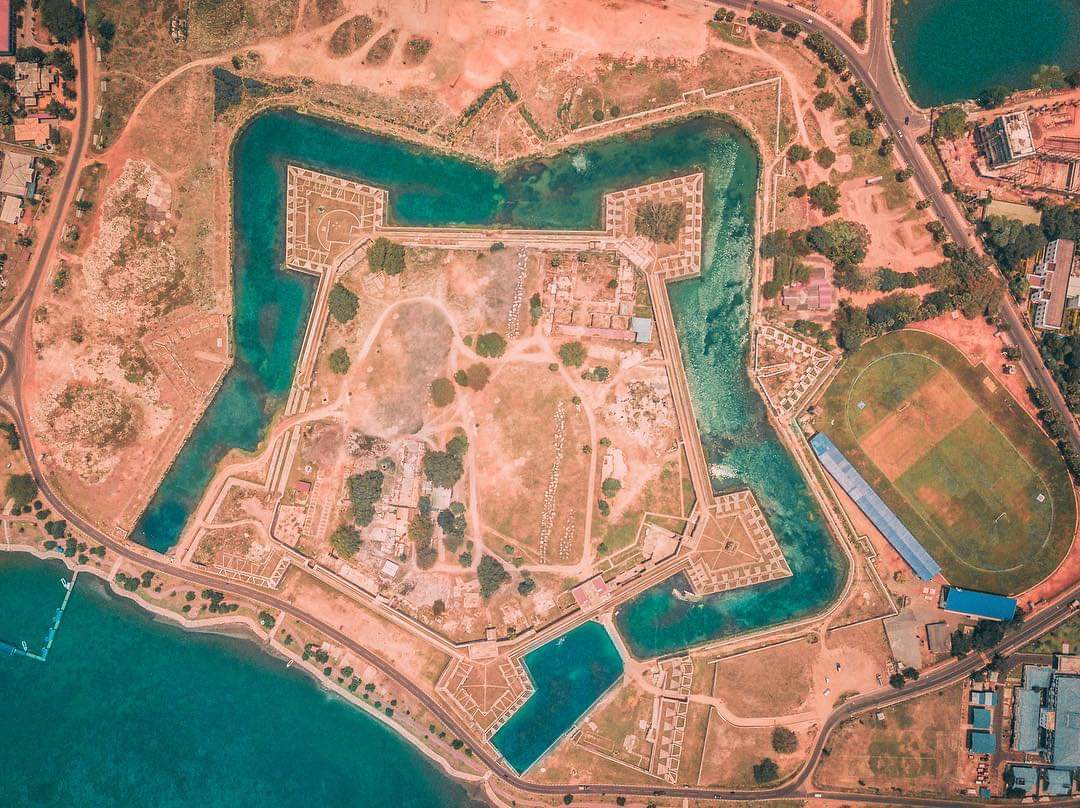
Kayts Island features a horseshoe-shaped Portuguese fort from 1629. Dutch settlers later took control and named it “Urundai Fort” because of its round shape. A bustling commercial port once operated next to this fort. The island holds crumbling Dutch churches and empty homes. Banyan trees have grown right through these buildings. The civil conflict drove many residents away, leaving these haunting pieces of history behind.
Mannar’s Adam’s Bridge and Birdlife
Mannar Island links to Adam’s Bridge (Rama Setu), a remarkable chain of limestone shoals that stretches 48 km toward India. This natural formation might have once connected both countries. The water stays shallow, rarely deeper than 1 meter, making it hard for ships to pass. Mannar shines as a bird watcher’s dream. The Vankalai sanctuary earned RAMSAR status in 2010. Thousands of magnificent Greater Flamingos visit between December and February. Black Tail Godwits, Garganey, and Pintail Ducks call the mud flats and saline lakes home. White Bellied Sea Eagles and Brahmin Kites soar above these waters.
Flavors and Markets of Jaffna
Jaffna’s distinct cultural identity shines through its northern Sri Lankan cuisine, which many locals and visitors call the most authentic on the island. Food lovers who explore this region will discover amazing flavors in its bustling markets and local kitchens.
Must-Try Dishes: Jaffna Kool, Mutton Curry, Dosas
Odiyal Kool, Jaffna’s signature dish, will amaze you with its extraordinary seafood flavors. This hearty stew has crab, prawns, cuttlefish, and fish that simmer with tamarind and thicken with palmyra tuber flour. People swear by this spicy broth as a “cold killer,“ and it gets extra nutrition from vegetables like long beans, tapioca, and jackfruit seeds. You’ll find the region’s mutton curry packed with the unique Jaffna curry powder. This rich blend combines roasted fennel, red chili, turmeric, coriander, cumin, and fenugreek to create deep, unforgettable flavors. The dosas at places like Mangos rank among the island’s best, with their perfectly crispy edges and flavorful fillings.
Where to Eat: Local Eateries and Street Food
Malayan Cafe, a 72-year-old vegetarian spot, serves meals on traditional banana leaves. This place has grown beyond just a restaurant into a cultural landmark—Near Nallur Temple, both Mangos and Cozy Restaurant dish out excellent food without any fuss. The street food scene runs on market energy. You should try the spiced banana fritters, fried fish, and unique palmyrah-based snacks that make northern Sri Lankan food special.
Markets and Handicrafts: What to Buy
Jaffna Market buzzes with activity until 6 PM daily. Locals snap up everything from fresh mangoes and grapes to jackfruits and onions. Early birds get the famous Jaffna curry powder, which you need to cook authentic northern dishes. Local artisans create beautiful items from palmyra leaves – from kitchen tools to decorations and baskets. You’ll love discovering local treats like peanut biscuits, palmyra sap jaggery, nelli fruit cordial, and grape wine. These specialties showcase the region’s creative spirit.
Planning Your Trip to Jaffna
Planning your northern Sri Lanka expedition needs attention to a few essential details that will make your trip through this less-traveled region smooth.
Jaffna to Colombo Distance and Transport Options
The distance between Jaffna and Colombo stretches approximately 400km, and travelers can choose from several options. The train stands out as the most scenic choice, with five daily departures that take 6-8 hours and cost between USD 4 and 40. Most first-time visitors choose the morning train to catch stunning views through the central highlands. Night buses leave Colombo around 8 PM, and tickets start from USD 16 for a 7.5-hour trip. Domestic flights connect Jaffna International Airport (JAF) to Colombo for speed-conscious travelers, though flights run less frequently.
Accommodation Choices in Jaffna, Sri Lanka
Jaffna’s hotels cater to different budgets effectively. A three-star hotel costs around USD 36 per night, while four-star properties charge about USD 95. Fox Resorts Jaffna, The Thinnai, and Jetwing Jaffna rank among the top choices and serve as comfortable bases for your explorations.
Language, Etiquette, and Dress Code
Tamil serves as the primary language here, unlike the Sinhala-speaking south. A few simple Tamil phrases will help you connect with locals. Modest dress remains important; visitors should cover their shoulders and knees in temples. Women should choose conservative clothing options.
Is Jaffna Worth Visiting?
Jaffna deserves your time; it offers a genuine glimpse into Tamil culture that you rarely find elsewhere in Sri Lanka. The region’s unique cuisine, pristine beaches, and warm hospitality create lasting memories that make the extra travel worthwhile.
Conclusion
Jaffna stands as proof of northern Sri Lanka’s enduring spirit and rich cultural heritage. This piece shows you a world that’s quite different from the island’s southern tourist hubs. In this place, ancient Tamil traditions thrive in a landscape molded by history. The remarkable region now welcomes travelers who want real experiences away from the usual tourist spots, following decades of conflict. The spiritual essence makes up Jaffna’s beating heart. Temple bells, colorful rituals, and daily devotional practices create an atmosphere you won’t see anywhere else in Sri Lanka. Places like Casuarina Beach and Nilavarai Bottomless Well reward explorers who step away from the familiar paths.
The islands around Jaffna give you a peek into worlds that few outsiders see. Wild ponies roam the coral-walled Delft Island while abandoned Dutch homes stand on Kayts. The remarkable bird sanctuaries of Mannar are a great way to get experiences that seasoned travelers value deeply. The food scene here needs special mention. Fiery Jaffna curry, hearty Odiyal Kool, and sweet palmyrah treats showcase northern flavors that many call Sri Lanka’s most distinctive. Food enthusiasts looking for authentic regional cuisine will love these tastes alone.
Getting to Jaffna takes more effort than visiting other tourist spots. However, you’ll connect with a place that’s still growing in Sri Lanka’s tourism scene. Your visit helps rebuild communities while giving you experiences that are nowhere near as commercial as other island attractions. Jaffna lets you see Sri Lanka beyond the usual postcard images of southern beaches and tea plantations. This northern peninsula keeps its cultural identity that millennia of Tamil influence, centuries of colonial presence, and decades of resilience have shaped. Your time in this extraordinary corner of Sri Lanka will show you more than just places, you’ll hear stories of faith, perseverance, and renewal that stick with you long after your trip ends.
Key Takeaways
Discover northern Sri Lanka’s authentic cultural experiences away from crowded southern tourist destinations, where ancient Tamil traditions and spiritual practices remain beautifully preserved.
- Jaffna offers a unique Tamil culture: Experience authentic Hindu temple rituals, distinctive cuisine, and spiritual traditions that differ significantly from southern Sri Lanka’s offerings.
- Hidden gems await exploration: Visit untouched destinations like Casuarina Beach, mysterious Nilavarai Well, and remote islands with wild ponies and coral walls.
- Culinary adventures define the region: Taste authentic Jaffna curry powder, Odiyal Kool seafood stew, and palmyrah-based treats found nowhere else in Sri Lanka.
- Island hopping reveals colonial history: Explore Delft Island’s Portuguese ponies, Dutch ruins on Kayts Island, and Mannar’s flamingo sanctuaries via boat excursions.
- Plan for authentic experiences: The 400km journey from Colombo requires extra effort but rewards travelers with genuine cultural encounters and uncrowded attractions.
This resilient region, recovering from decades of conflict, now welcomes visitors seeking meaningful connections with Sri Lanka’s diverse heritage beyond typical beach and tea plantation experiences.
FAQs
Q1. What are some unique experiences to have in Jaffna, Sri Lanka? Jaffna offers authentic Tamil cultural experiences like witnessing Hindu temple rituals at Nallur Kandaswamy Temple, tasting distinctive northern cuisine such as Odiyal Kool seafood stew, and exploring hidden gems like Casuarina Beach and Nilavarai Bottomless Well.
Q2. How can I explore the islands off Jaffna’s coast? You can take boat excursions to nearby islands like Delft Island to see wild ponies and coral walls, Kayts Island for Dutch colonial ruins, and Mannar Island for its bird sanctuaries and the geological formation of Adam’s Bridge.
Q3. What are the must-try local dishes in Jaffna? Don’t miss Jaffna’s signature dishes like Odiyal Kool (a hearty seafood stew), mutton curry made with the region’s distinctive curry powder, and crispy dosas. Also, try local sweets made from palm and grape wine, unique to the area.
Q4. How do I get to Jaffna from Colombo? The journey from Colombo to Jaffna spans about 400km. You can take a scenic train ride (6-8 hours), an overnight bus (7.5 hours), or a domestic flight for quicker travel. The train offers the most picturesque route through the central highlands.
Q5. Is Jaffna worth visiting compared to other parts of Sri Lanka? Absolutely. Jaffna offers a unique glimpse into Tamil culture rarely experienced elsewhere in Sri Lanka. Its distinctive cuisine, untouched beaches, ancient temples, and genuine hospitality provide authentic experiences away from the more touristy southern regions, making it well worth the extra travel effort.