

Your Sri Lanka adventure brings an exciting wildlife dilemma: choosing between Yala National Park vs Udawalawe. Yala National Park stands out with the world’s highest density of leopards, making it a prime spot to observe these elusive big cats in their natural habitat. The magnificent Udawalawe National Park houses 500-700 elephants, almost guaranteeing you’ll spot these majestic creatures during your visit.
The perfect Sri Lankan safari requires understanding these remarkable destinations’ unique features. Yala’s impressive size spans 979 square kilometers (378 square miles) with five distinct blocks, making it Sri Lanka’s largest and most visited park. Udawalawe covers 308 square kilometers (119 square miles), roughly a third of Yala’s expanse. The smaller Udawalawe offers a more intimate elephant viewing experience and attracts fewer crowds than its popular counterpart.
Sri Lanka’s incredible wildlife diversity shines through both parks, each with its unique highlights. Yala boasts 44 mammal species and 215 bird varieties, while Udawalawe’s elephant population thrives around the reservoir’s vital water source. On top of that, budget-conscious travelers will find Udawalawe’s safari costs more appealing than Yala’s.
This piece will guide you to pick the national park that matches your wildlife viewing goals, travel preferences, and budget. You’ll find everything you need to plan your perfect safari adventure, whether you dream of capturing wild leopard photos or watching elephant herds roam freely.
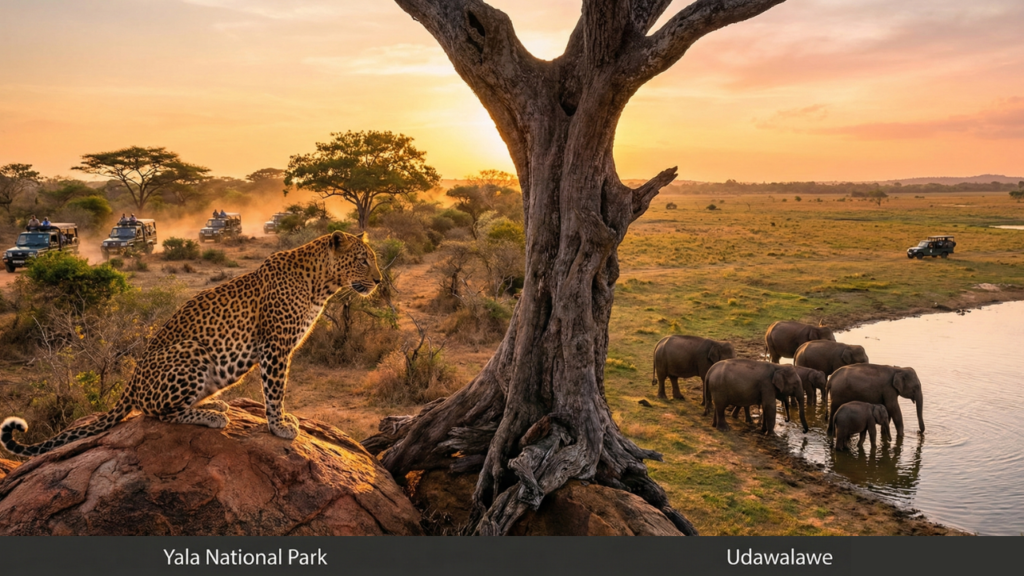
Park Overview: Yala vs Udawalawe
Sri Lanka’s national park map shows two amazing wildlife sanctuaries that give visitors completely different safari experiences. Let’s take a closer look at what makes each park special for wildlife lovers visiting the island.
Yala National Park, Sri Lanka: Size, Zones, and Popularity
Yala is Sri Lanka’s second-largest national park, covering 979 square kilometers (378 square miles). The park stretches along the southeastern coast next to the Indian Ocean, creating habitats from monsoon forests to sandy beaches. Park started as a wildlife sanctuary in 1900 and became Sri Lanka’s first national park on March 1, 1938.
The park has five separate blocks. Block I is 14,101 hectares, Block II has 9,931 hectares, Block III spans 40,775 hectares, Block IV covers 26,418 hectares, and Block V measures 6,656 hectares. Tourists can only visit Blocks 1 and 5, with Block 1 famous for its amazing leopard population. The other blocks are kept for research and documentary filming.
Yala keeps getting more popular each year. The park had 214,572 foreign visitors in 2023 and made over 1.7 billion rupees – this is a big deal as it means that visitor numbers went up 852% from 2020. The park now limits daily vehicles to 600, though wildlife experts say 40-50 jeeps would be better for the environment.
Udawalawe National Park, Sri Lanka: Size, Layout, and Visitor Flow
Udawalawe National Park covers 30,821 hectares (about 119 square miles) – making it about one-third of Yala’s size. The park opened on June 30, 1972, to protect wild animals that needed a new home after the Udawalawe Reservoir was built on the Walawe River. You’ll find Udawalawe 165 kilometers from Colombo, right where Sabaragamuwa and Uva Provinces meet. The park looks quite different from Yala. Here you’ll see open grasslands, marshes, and scrublands with patches of thick forest. The Udawalawe Reservoir creates beautiful views, especially during sunrise and sunset.
The safari experience at Udawalawe feels more peaceful. The jeeps spread out across the park instead of bunching together as they do in Yala. This makes wildlife watching more personal, especially when you’re looking for elephants. The park’s smaller size helps visitors see more animals because they’re concentrated in a tighter area.
Udawalawe ranks as Sri Lanka’s third most visited national park. The park welcomed 188,388 visitors in 2023. Between 1994 and 2001, about 423,000 people came to visit, with international tourists making up 20%. The park earned Rs. 18.2 million in just six months leading up to August 2009. These parks show how Sri Lanka values its wildlife. The country’s conservation efforts go back thousands of years. Some records show the first wildlife reserve might have started around the 3rd century AD.

Wildlife Encounters: Elephants, Leopards, and More
A Sri Lankan safari amazes visitors with its rich wildlife diversity. Each park gives you memorable animal encounters, but they shine in different ways that might help you pick between them.
Leopard Sightings: Yala’s Strength vs Udawalawe’s Rarity
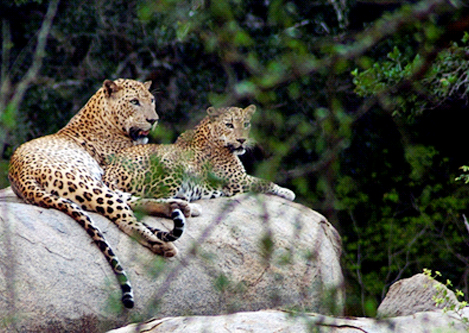
Yala National Park has the world’s highest leopard density. This makes it your best chance to spot these mysterious cats in their natural home. Block I is home to about 25-30 leopards. You’ll get an exceptional big cat safari experience in Asia here. Sri Lankan leopards are unique to the island. They’ve grown into the top predator role – something you won’t see anywhere else. The story at Udawalawe is quite different. The park has just 10-12 leopards. Seeing one here is a rare treat that needs lots of luck. One visitor pointed out that spotting leopards in Udawalawe happens more by chance than through planned tracking.
Elephant Gathering: Udawalawe’s Herds vs Yala’s Solitary Sightings
Elephant lovers should head to Udawalawe. The park is home to about 500-700 elephants. You’re almost guaranteed to see them any time of year. These gentle giants gather near the Udawalawe reservoir. Whole families put on a show – from tiny babies to massive adults – as they bathe, eat, and play together. Yala has elephants, too, but they show up alone or in smaller groups. You’ll likely see elephants at Yala, but it won’t match Udawalawe’s big herds. The dry season (February-July) gives you the best views as animals gather around the few remaining water spots.
Birdwatching: Migratory Birds and Resident Species
Both parks are great for bird lovers, each with its own notable residents. Yala has more than 200 bird species. Many migrants drop by between November and March. The wetlands, lagoons, and coastal spots draw beautiful waterfowl like painted storks and greater flamingos. Udawalawe might catch bird enthusiasts by surprise with its 184 bird species (33 of them migrants). The reservoir pulls in lots of water birds. Bird photographers love it here. You can spot unique birds like the red-faced malkoha and the Lanka gray hornbill—visitors like the white wagtail and black-capped kingfisher stop by too. Birds of prey such as white-bellied sea eagles and crested serpent eagles hunt in the open areas.
Other Wildlife: Crocodiles, Sloth Bears, and Monkeys
Both parks pack plenty more wildlife surprises that make your safari special. Yala gives you the best shot at seeing the rare Sri Lankan sloth bear. May to July is prime time during fruit season. With only 500 left in the wild, seeing one is truly special. The park’s waters are also full of mugger crocodiles. Udawalawe shows off its water buffalo, golden jackals, toque macaques, and gray langurs. You’ll find mugger crocodiles, monitor lizards, and many snake species here, too. Your wildlife wishlist should guide your choice – go to Yala for leopards and variety, or pick Udawalawe for guaranteed elephant herds. Wildlife photographers often base their decision on this key difference between these amazing Sri Lankan safaris.
Safari Experience and Tour Types
The safari tour you pick can make or break your wildlife adventure in Sri Lanka’s national parks. Each park has its own unique experiences that match different priorities, budgets, and schedules.
Jeep Safari Options: Half-Day vs Full-Day Tours
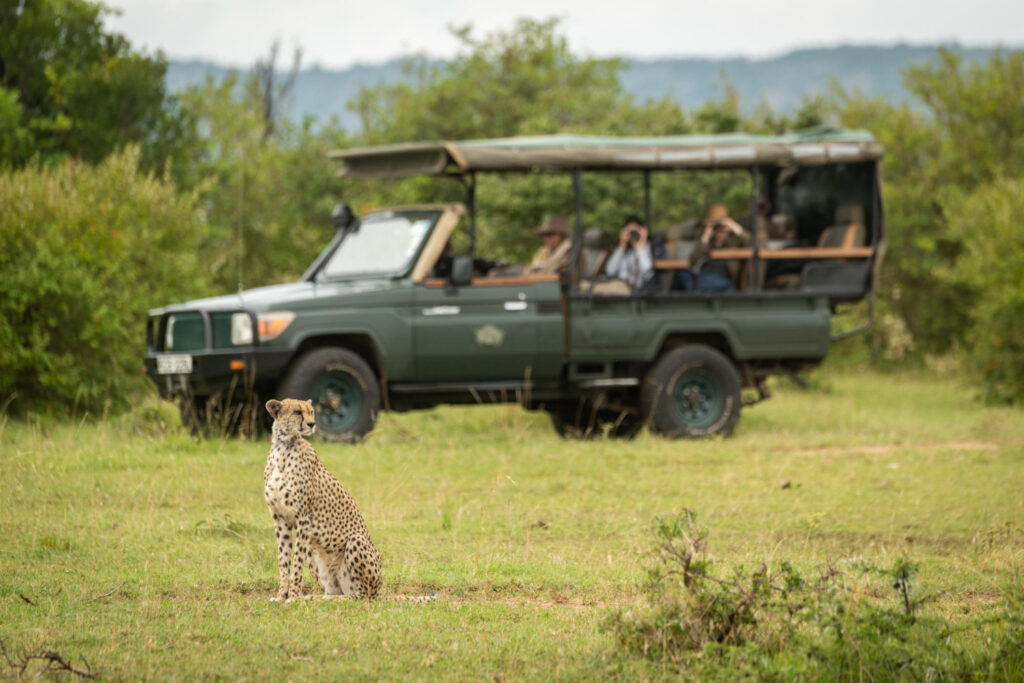
Both Yala and Udawalawe give you several tour options that match your wildlife viewing goals. Half-day safaris are the top choice in Sri Lanka because they’re affordable and fit easily into most schedules. You can pick either sunrise tours (5:00-10:00 am) or sunset tours (2:00-6:30 pm) – times when animals are most active. Full-day tours give you much more time to explore. These run from 5:00 am to 6:00 pm with a break in the middle. You’ll get to visit quieter areas of the parks, which means better chances of spotting wildlife. To cite an instance, at Yala, full-day jeeps can reach remote spots after morning safari vehicles leave, letting you watch elephants in peace – something you won’t get during busy hours.
Yala Wild and other operators have a middle option – a 7-hour tour (5:00 am to 12:00 pm) that focuses on finding leopards and sloth bears. These tours stop at scenic spots like Patangalla beach and Manik River. Note that Yala doesn’t allow jeeps between 12:00 and 2:00 pm – even full-day tours must stop at rest areas. This break helps you escape the midday heat and enjoy packed meals in beautiful spots.
Crowd Levels: Tranquil Udawalawe vs Busy Yala
The most significant difference between these parks is how busy they get. Yala National Park’s Block 1 has problems with overcrowding – you’ll often see long lines of jeeps waiting to spot animals. During peak season, hundreds of vehicles enter the park each day, which takes away from the wildlife experience.
Udawalawe tells a different story with its peaceful atmosphere. Visitors rarely see other vehicles while they’re in the park. This quiet setting lets you connect with nature and watch elephants without other jeeps getting in the way. This makes a massive difference for photographers who want uninterrupted wildlife viewing. Udawalawe’s open spaces and fewer vehicles create perfect conditions for capturing natural animal behavior.
Guide Quality and Vehicle Comfort
Good guides and comfortable vehicles can make your safari memorable. The best operators have guides who know how to track animals and explain their behavior. These experts know every corner of the parks and animal habits, which means you’ll see more wildlife.
Both parks use modified 4×4 Toyota Hilux jeeps. Better operators offer extras like:
- Cushioned seats and canopies for shade
- Small groups (4-7 people per vehicle)
- Binoculars and wildlife field guides
- Coolers with bottled water
Private safaris let you customize your trip – whether you love bird photography or want to spend more time with elephants. Shared jeeps cost less, but private tours let you set the pace and focus on what interests you most. Your safari adventure comes down to choosing between quick half-day trips or full-day explorations, plus picking the right park for your style.
Landscape and Scenery Differences
These two remarkable parks have completely different safari backdrops due to their physical geography. This shapes how wildlife behaves and what you’ll experience during your visit. Nature photographers and enthusiasts will find unique storytelling opportunities in each distinct environment.
Yala’s Coastal Forests and Rock Formations
Yala National Park’s dramatic landscapes are a visual treat alongside its wildlife treasures. Covering 978 square kilometers, the park has a fantastic mix of ecosystems from dense jungles and wetlands to grasslands and ancient rock formations. Such varied terrain creates perfect homes for the park’s incredible biodiversity. The ancient metamorphic rock outcroppings are Yala’s most striking features. These massive Precambrian-era formations tower above the jungle canopy and serve as the park’s iconic landmarks. Elephant Rock stands out among these with its elephant-like shape. Leopards use these tall formations as lookout spots to spot their prey.
Yala stands out among Sri Lankan parks because it meets the wild waves of the Indian Ocean. Patanangala Beach shows this beautiful merger of dense jungle and turquoise waters. The beach runs straight and wide with eye-catching rock formations that create perfect photo opportunities. Safari-goers often stop at this coastal area for a refreshing break from wildlife watching. Water features dot the park’s landscape. You’ll find marshlands and numerous watering holes where animals gather during dry spells. The park has six unique blocks, and each shows a different side of Yala’s interior landscapes.
Udawalawe’s Grasslands and Reservoir Views
Udawalawe National Park gives visitors a totally different visual experience. Wide-open grasslands remind many of African savannas. This sanctuary came into being to protect wildlife displaced by reservoir construction. Its open landscape lets you spot large animals with ease. The massive Udawalawe reservoir steals the show as southern Sri Lanka’s largest artificial water body. Built in 1969 by damming the Walawe River, this water feature adds beauty to the area with hills, forests, and grasslands surrounding it. Photographers love capturing the reservoir at sunrise and sunset when the still water mirrors the sky’s colors.
The park’s 30,821 hectares of open terrain give you clear views in all directions, unlike Yala’s varied landscape. Animals visit the reservoir throughout the day, and you can watch them from several great spots. The dam itself gives you sweeping views of both the reservoir and the surrounding landscape. Udawalawe’s open spaces mean safari vehicles can spread out instead of bunching up in specific areas. Many visitors prefer this peaceful atmosphere to Yala’s sometimes-busy experience.
Accessibility and Travel Logistics
Your location in Sri Lanka plays a significant role in choosing which park to visit. Let’s look at how to get to each park and the time you’ll need.
Getting to Yala: Routes from Ella, Mirissa, and Colombo
A car ride from Colombo to Yala National Park takes about 6 hours. Most people take the route through Ratnapura, Udawalawe, and Tissamaharama. Many travelers break up this long trip with overnight stays. Yala sits about 2.5 to 3 hours away from Ella by car. You can make day trips work, but you’ll need to start very early for sunrise safaris. The drive offers beautiful views as you come down from the highlands to the coastal plain. Beach lovers staying in Mirissa or nearby coastal towns should plan for a 3.5 to 4-hour drive each way. Day trips mean leaving around 2 am to catch the dawn safari. Trains and buses are cheaper options but can take 12+ hours.
Getting to Udawalawe: Best Stops and Transfers
Udawalawe’s convenient spot between Sri Lanka’s southern beaches and hill country makes it a perfect stopover. The drive from Colombo takes about 4 hours. This central spot makes Udawalawe easier to reach than Yala, which helps if you’re short on time. A car ride from Ella to Udawalawe takes about 1.5 to 2 hours. Taking public transport? You’ll need three bus connections: Ella to Wellawaya (45 minutes), Wellawaya to Thanamalwila (45 minutes), and a final hop to Udawalawe (45 minutes). Southern beach areas like Tangalle, Mirissa, or Galle offer shorter trips to Udawalawe compared to Yala. You can reach the park in 1.5 hours from Tangalle or 2.5 hours from Galle.
Which Park is Easier to Include in Your Itinerary?
Udawalawe wins on accessibility. Its spot between the popular hill country (Ella/Nuwara Eliya) and southern beaches makes it a natural break in your trip. You won’t need to go out of your way much. Yala’s southeastern location means you’ll need extra travel days. Unless you’re visiting Arugam Bay or the far southern coast, getting to Yala means taking a special detour. Private transfers work best for both parks. While buses and trains cost less, they take much longer and eat into your vacation time. Udawalawe fits better into most Sri Lanka trips and needs fewer travel days than Yala.
Safari Cost Breakdown: Yala vs Udawalawe
Your budget plays a key role in planning wildlife adventures in Sri Lanka. A clear picture of safari costs helps you make the most of your experience without surprises.
Jeep Safari Cost: Shared vs Private Tours
Yala and Udawalawe show apparent price differences in jeep hire rates. Half-day safaris at Yala cost between USD 50-60 per jeep. Udawalawe offers better rates at USD 30-40. Full-day experiences follow this pattern. Yala charges USD 120-150 per person with all services included. Udawalawe keeps prices lower at USD 60-70. Both locations offer significant savings through shared tours. A half-day shared safari in Yala costs about USD 35 per person, while private half-day options start at USD 102. Udawalawe’s private tours cost around USD 25 per person, making them affordable even without sharing.
Park Entry Fees and Seasonal Variations
Entry fees make up a big part of your safari budget. Foreign adults visiting Yala pay entrance fees between USD 25-30, plus service charges of USD 10 and an 18% tax. Children aged 5-12 years get reduced rates of USD 15-20. Udawalawe charges slightly less at USD 25 per adult. Both parks adjust their prices seasonally. Peak season (December-April) brings higher rates. You can save 15-20% on entrance fees during off-peak times.
Overall Value for Money
Udawalawe stands out as the cheaper option. Private safaris here cost less than shared ones in Yala. This value becomes even better when you factor in Udawalawe’s reliable elephant sightings versus Yala’s sometimes crowded viewing spots. Notwithstanding that, Yala’s costs reflect its unique wildlife opportunities, especially leopard sightings. A full-day package for two at Yala costs around USD 180, including entry fees, guide, jeep, and meals. This price offers excellent value for dedicated wildlife fans. Your wildlife interests should guide your choice. Udawalawe gives you excellent elephant encounters at reasonable prices. Yala charges more but offers rich biodiversity and chances to spot leopards.
Best Time to Visit Each Park
Brilliant timing helps boost your chances of seeing wildlife in Sri Lanka’s premier national parks. Weather patterns affect both animal behavior and park access. Each season brings its own advantages throughout the year.
Yala’s Dry Season and Park Closure Period
The best time to visit Yala National Park falls between February and July, during the dry season. Animals gather around the remaining water holes as supplies dwindle, which boosts your chances of spotting elusive wildlife. May and June are great months, according to experienced guides. You’ll see plenty of wildlife with fewer tourists around compared to peak season.
Yala closes each year for about six weeks from September 1 to October 15. This closure serves multiple purposes. Park staff do maintenance work and build temporary water holes for animals during drought. The timing also matches the leopard breeding season. The closure periods have changed sometimes based on how severe the drought is. Block 5 stays open occasionally, even during official closures.
Udawalawe’s Year-Round Accessibility
Unlike Yala, Udawalawe National Park welcomes visitors all year. This makes it a reliable safari option, whatever time you visit Sri Lanka. You can add Udawalawe to your travel plans with much more flexibility. Most experts say the best wildlife viewing at Udawalawe happens between May and September. Lower water levels draw animals to more visible areas during this time. The park offers great elephant sightings in any season, though, with over 500 elephants calling it home.
Bird Migration and Elephant Calving Seasons
Wildlife events deserve special attention if you have specific interests. Bird migration runs from November to April, as many species fly in from Central Asia and the Himalayas. December through March sees the most bird activity, with visitors like the Asian Paradise Flycatcher arriving in large numbers. Elephant lovers should aim for October through January in Udawalawe. This period marks the peak calving season. September and October bring another special treat – it’s mating season for elephants. You can watch fascinating behavior while early migrating birds start to arrive.
Accommodation Options Near Each Park
Your safari experience needs a perfect place to rest after wildlife adventures. Each park has unique lodging styles that match different priorities and budgets.
Where to Stay for Yala National Park Safari
Yala’s region has everything from luxurious resorts to simple guesthouses. The buffer zone next to Yala showcases architectural marvels like Wild Coast Tented Lodge with its distinctive cocoon-shaped units that create immersive nature experiences. Luxury seekers will love Hilton Yala Resort’s 42 rooms, including private pool villas with Indian Ocean views. Location should be your priority—Tissamaharama town gives you easy access with many budget-friendly choices, while staying near Palatupana Gate puts you right next to Block 1’s famous leopard territory.
Best Lodges and Camps Near Udawalawe
Udawalawe has no lodging inside the park, but nearby options give you excellent access. The Grand Udawalawe Safari Resort is the area’s biggest property and comes with amenities like a swimming pool. The surrounding area features tented safari camps such as Mahoora Tented Safari Camps that blend wilderness living with comfortable glamping-style stays. These spots strike a perfect balance between wild nature and modern comforts.
Luxury vs Budget Safari Stays
Your choice of where to stay ended up depending on the experience you want and your budget. Luxury tented camps like Uga Chena Huts come with all-inclusive packages that cover meals, drinks, and daily safari drives. Budget travelers can find great deals in Tissamaharama’s guesthouses. Moon Light Guest House offers rooms under $100 per night. Tented camps hit the sweet spot by letting you experience the wilderness without luxury hotel prices.
Comparison Table
wpDataTable with provided ID not found!Conclusion
Your wildlife priorities, budget, and travel schedule will help you pick between Yala and Udawalawe. These parks show off Sri Lanka’s amazing biodiversity in their own unique ways. Yala National Park gives you the best shot at seeing leopards, thanks to its world-class leopard population. The mix of coastal beaches and rocky outcrops creates stunning backgrounds for wildlife photos.
Udawalawe offers a great alternative where you’re almost guaranteed to see elephants all year round. The park’s open grasslands make it easy to spot these amazing animals, often with their families. You won’t find the crowds either, which means a more personal experience without jeeps competing for the best views.
The parks’ locations can make or break your choice. Yala needs dedicated travel days because it’s in the southeast. Udawalawe sits perfectly between hill country and southern beaches, making it a natural stop on most Sri Lanka trips. This central spot works better for travelers on tight schedules.
If you have enough time, you should visit both parks. They complement each other perfectly – Yala for leopards, Udawalawe for elephants. Many visitors plan their trips to spend a night near each park, getting the complete Sri Lankan safari experience.
These safari adventures often become the highlight of Sri Lanka trips. They create lasting memories of wild elephants, sneaky leopards, and beautiful landscapes. Pick the park that matches your interests, but remember – good planning around seasons, places to stay, and getting around will make your wildlife adventure unforgettable. Yala and Udawalawe both showcase Sri Lanka’s natural wonders. You just need to choose which adventure speaks to you.
Key Takeaways
Choosing between Yala and Udawalawe depends on your wildlife priorities and travel style. Each park offers distinct advantages for different safari experiences.
- Yala excels for leopard sightings with the world’s highest leopard density (25-30 in Block I), while Udawalawe guarantees elephant encounters with 500-700 resident elephants
- Udawalawe costs 30-40% less than Yala for comparable safari experiences and offers a more peaceful, uncrowded atmosphere for wildlife viewing
- Timing matters significantly: Yala closes annually (September-October) and peaks February-July, while Udawalawe remains open year-round with consistent sightings
- Location affects itinerary planning: Udawalawe’s central position between hill country and beaches makes it easier to include, while Yala requires dedicated travel days
- Book private jeeps over shared tours to maximize wildlife viewing opportunities and customize your experience based on personal interests like photography or specific animal tracking
Both parks showcase Sri Lanka’s incredible biodiversity through different lenses—Yala’s varied landscapes and big cat encounters versus Udawalawe’s open grasslands and guaranteed elephant herds. Consider visiting both if time permits for a comprehensive Sri Lankan safari experience.
FAQs
Q1. Which national park offers better wildlife viewing – Yala or Udawalawe? Yala is best for leopard sightings and diverse wildlife, while Udawalawe excels in elephant encounters. Yala offers varied landscapes but can get crowded, whereas Udawalawe provides a more peaceful safari experience with guaranteed elephant sightings.
Q2. What are the cost differences between Yala and Udawalawe safaris? Udawalawe is generally 30-40% cheaper than Yala. A half-day safari in Yala costs around USD 50-60 per jeep, while in Udawalawe it’s about USD 30-40. Entry fees for foreign adults are USD 25-30 for Yala and USD 25 for Udawalawe.
Q3. When is the best time to visit each park? The optimal time for Yala is February to July during the dry season. Udawalawe is accessible year-round, with May to September being ideal. Yala closes annually from September 1 to October 15, while Udawalawe remains open throughout the year.
Q4. How do the landscapes differ between Yala and Udawalawe? Yala features diverse ecosystems, including forests, beaches, and rock formations. Udawalawe is characterized by open grasslands and a large reservoir, offering unobstructed views for wildlife spotting.
Q5. Which park is easier to include in a Sri Lanka itinerary? Udawalawe is more conveniently located between popular destinations like the hill country and southern beaches, making it easier to incorporate into most itineraries. Yala requires more dedicated travel time due to its southeastern location.