

Sri Lanka stands out as Asia’s premier kitesurfing destination, with Kalpitiya offering perfect conditions almost year-round. The steady and reliable winds blow for 9 months straight, making Kalpitiya a bucket-list spot for kitesurfers worldwide.
Powerful southwest winds dominate the summer season from May to October, reaching speeds of 18 to 30 knots. Winter brings gentler northwest winds that range between 12 and 20 knots. Sri Lanka’s kitesurfing scene is remarkable because of its varied environments. The country’s 14 lagoons create ideal conditions for riders at every skill level. The Yala Monsoon transforms Kappalady Lagoon into a kitesurfer’s paradise, with steady winds that can reach up to 30 knots throughout the day.
This piece will help you pick the best time to visit based on wind conditions and your priorities, whether you’re planning your first Sri Lankan kitesurfing adventure or looking to find new spots around Kalpitiya.

Kalpitiya’s Two Kitesurfing Seasons Explained
Kalpitiya sets itself apart from other kitesurfing spots worldwide with its unique dual-season wind pattern. Most locations offer just one prime kitesurfing period. Here, you can enjoy this thrilling water sport almost year-round thanks to two distinct wind seasons.
Summer season (May to October)
The summer monsoon brings powerful southwest winds that make Kalpitiya a kitesurfer’s dream spot. These winds arrive with the Yala Monsoon and deliver steady thermal winds from mid-morning until sunset. The season’s reliability makes it special – you can expect kiteable conditions about 80% of the time during peak months.
Southwest winds pack more power, ranging from 18-30 knots, which makes summer perfect for experienced riders seeking thrills. The wind builds up slowly through the day and peaks in the afternoon. Advanced kitesurfers flock here to practice their jumps and tricks in these powerful, steady conditions.
Winter season (December to March)
Winter kitesurfing season runs from December through March with northwest winds taking charge. These winter breezes blow more gently at 12-20 knots, unlike their summer counterparts. Beginners and intermediate riders love these manageable conditions.
January and February bring the steadiest winter winds. The smooth, consistent conditions help newcomers learn basics and others refine their skills. Sri Lanka’s high tourist season happens to fall in winter too, so all amenities and kitesurfing schools run at full capacity.
What causes the seasonal wind shifts?
Sri Lanka’s location near the Indian Ocean monsoon system creates these dramatic wind pattern changes between seasons. The island sits where two major monsoon patterns meet. Summer sees the southwest monsoon take control as warm air rises over India. This creates a low-pressure area pulling in air from the Indian Ocean, which brings those strong southwesterly winds to Kalpitiya’s waters.
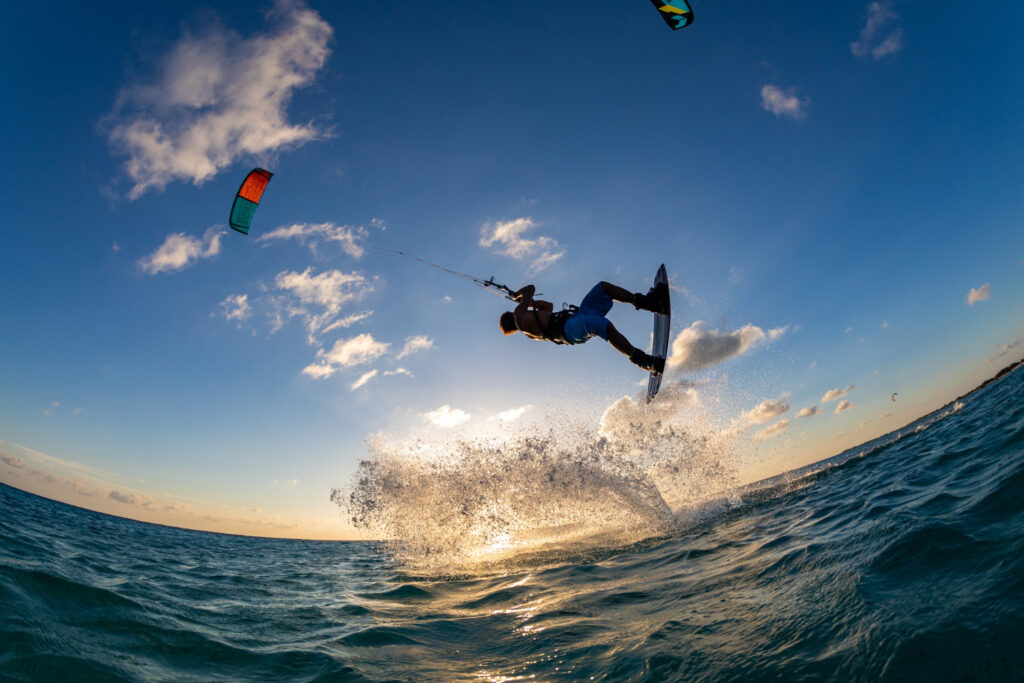
Winter flips this pattern around. The Asian landmass cools down and creates high pressure that pushes air toward the warmer ocean. This switch brings those milder northwest winds that mark Kalpitiya’s winter season. This predictable cycle makes Kalpitiya one of the rare spots worldwide where kitesurfing thrives in two different seasons with distinct wind patterns.
Also Read: Why Ceylon Tea Trails Sri Lanka Is The Hidden Gem of Luxury Travel
Month-by-Month Wind Calendar for Kalpitiya
A successful kitesurfing trip to Kalpitiya depends on understanding the wind patterns throughout the year. This guide breaks down each month’s conditions to help you choose the best time for your Sri Lanka kitesurfing adventure.
Best months: June, July, August, January, February
The peak summer kitesurfing season kicks off in June with winds that blow around the clock, averaging 20-28 knots. Most riders need a 9-meter kite during this time as the conditions pack more power.
July and August deliver the strongest and most consistent conditions of the Kalpitiya kitesurfing season. The wind blows reliably almost every day (all but one during full moon periods), reaching speeds between 20-30 knots. Nine years of data shows these months each provide about 30 windy days. Winter kitesurfing peaks during January and February. These months are a great way to get predictable wind patterns with more than 25 good wind days. Afternoon breezes range from 16-22 knots, making 12-meter kites perfect for most sessions.
Unpredictable months: May, September, March
The summer season transition begins in May. Wind strength builds from early in the month and becomes steady by late May. Early May sometimes brings rain. September maintains strong winds at 13 knots average and roughly 28 windy days, but the conditions become spotty as the month ends. The winter season wraps up in March as wind patterns become less reliable. Decent conditions might last until mid-March, but the consistency drops after that.
Avoid these months: April and November
Kalpitiya’s low season hits during April and November. Wind patterns become erratic in these months. The data shows April averages just 7 windy days while November drops to only 6. These months see clashing wind patterns during the seasonal transition, making them poor choices for a Sri Lanka kitesurfing holiday.

Top Hidden Kitesurfing Spots Around Kalpitiya
The best kitesurfing spots in Kalpitiya lie beyond the main lagoons. Expert kitesurfers love these hidden gems for their unique conditions. You’ll find everything from butter-flat water to challenging waves at these spots.
Vellai Island: Flatwater paradise
A 45-minute boat ride north of Kalpitiya takes you to Vellai Island, also known as Magic Island. Many kitesurfers call it one of the world’s best spots. This small fisherman’s island has butter-flat water and clear offshore winds – perfect conditions to improve skills and practice tricks. Kite centers run day trips (€35-€65) and overnight stays where you can catch magical sunset sessions under starry skies. The trip includes an optional 2km downwinder through sheltered waters. You’ll need upwind riding skills to handle this trip.
Dream Spot: Close and consistent
Dream Spot sits just a 15-minute boat ride from Kalpitiya Lagoon and stays available year-round. A sandbank creates its special setup by separating the Indian Ocean’s waves from a perfectly flat-water lagoon. Riders can pick conditions based on their priorities, making this spot great for both beginners and advanced kitesurfers.
Donkey Point: For wave lovers
Summer months bring out the best in Donkey Point with its clean wind conditions and split personality. The spot offers flat water at one end while good-sized waves roll in at the other end during the right swell conditions. This spot sits 20 minutes from Kalpitiya and works great for wave riding enthusiasts or anyone wanting to try ocean riding with rescue boat backup.
Ippanthevu: Year-round access
Locals call it “Mini Vellai” because Ippanthevu island feels like its bigger cousin but stays available in both summer and winter. A quick 20-minute boat ride brings you to this spot with consistent flat water conditions throughout the year. The protective bay creates ideal conditions with stable offshore winds, making it reliable whatever the season.
Mandalakuda: For experienced riders only
Mandalakuda lies close to Kalpitiya – just a 15-minute transfer away. This spot works best from mid-May to October and only suits experienced kitesurfers. Launching and landing here need advanced skills. The payoff for skilled riders comes in unique conditions away from crowded areas.

Tips for Planning Your Kitesurfing Holiday in Sri Lanka
Proper planning makes all the difference between an average trip and an exceptional kitesurfing adventure in Kalpitiya.
Choosing the right season for your skill level
The winter season (December-March) creates ideal learning conditions with lighter winds ranging from 12-20 knots. These gentler breezes help beginners become skilled at fundamentals. Advanced riders will find the summer months (May-October) more exciting with powerful winds of 18-30 knots that are perfect for jumps and tricks.
What kite sizes to bring
Your body weight and the season determine the best kite selection:
Summer Season (20-30 knots):
- 50-60kg riders: 7-9m kites
- 70-80kg riders: 9-12m kites
- 90-100kg riders: 10-13m kites
Winter Season (12-20 knots):
- 50-60kg riders: 8-10m kites
- 70-80kg riders: 10-14m kites
- 90-100kg riders: 12-16m kites
Booking lessons and safaris in advance
Quality instruction varies throughout Kalpitiya. Schools with IKO-certified instructors deserve your attention. Local instructors often face communication challenges, so established schools like Sun Wind Beach or DE SILVA Windresort are a great way to get quality instruction.
What to do on no-wind days
Kalpitiya’s charm extends beyond kitesurfing with many more activities:
- Dolphin and whale watching (December-April)
- Wilpattu National Park safaris showcase elephants and leopards
- Stand-up paddleboarding or kayaking in calm lagoons
- Cultural visits to Kalpitiya Dutch Fort and St. Peter’s Church
- BNKR gym yoga classes run at 8am, 12pm, and 6pm for €8
Conclusion
Kalpitiya has earned its reputation as Asia’s best kitesurfing spot. The destination boasts exceptional conditions during two different seasons. Riders of all skill levels will find their sweet spot here – from newcomers who thrive in gentle winter winds to seasoned pros who chase powerful summer gusts.
The timing of your visit makes all the difference. Strong winds from June to August create perfect conditions for advanced maneuvers. January and February bring milder breezes that help beginners master the basics. On top of that, spots like Vellai Island and Dream Spot offer amazing rides beyond the main lagoons. The best approach is to match your visit with the right season based on your abilities. Your kite sizes should align with both the seasonal winds and your weight. A good school with IKO-certified instructors will boost your progress, especially if you’re just starting out.
The magic of Kalpitiya lies in its rare combination of steady winds, varied riding spots, and budget-friendly stays. These features are hard to find at other kitesurfing spots around the world. Many riders come back year after year to explore new locations and adventures. The perfect mix of reliable winds and stunning scenery might have you planning your next trip before this one ends.
Key Takeaways
Kalpitiya offers world-class kitesurfing with two distinct seasons and reliable winds 9 months per year, making it Asia’s premier destination for riders of all levels.
- Peak months are June-August and January-February – Summer delivers 20-30 knot winds for advanced riders, winter offers gentler 12-20 knots perfect for beginners
- Avoid April and November completely – These transition months have unreliable wind patterns with only 6-7 windy days per month
- Hidden spots like Vellai Island offer flatwater paradise – Accessible by boat trips, these locations provide butter-flat conditions away from crowded main lagoons
- Match your kite size to season and weight – Summer requires smaller kites (7-13m), winter needs larger ones (8-16m) depending on your body weight
- Book certified instruction in advance – Quality varies significantly, so research IKO-certified schools like Sun Wind Beach for the best learning experience
With its unique dual-season wind pattern and diverse riding environments from flat lagoons to ocean waves, Kalpitiya delivers consistent conditions that keep kitesurfers returning year after year to explore new spots and perfect their skills.
FAQs
Q1. When is the best time to go kitesurfing in Kalpitiya, Sri Lanka? The best time for kitesurfing in Kalpitiya depends on your skill level. For advanced riders, the summer months of June to August offer strong winds of 20-30 knots. Beginners should aim for the winter season from December to March, with gentler winds of 12-20 knots.
Q2. What kite sizes should I bring for kitesurfing in Kalpitiya? Kite sizes depend on the season and your body weight. For summer (20-30 knots), bring 7-13m kites. For winter (12-20 knots), pack 8-16m kites. Lighter riders need smaller kites, while heavier riders require larger ones.
Q3. Are there any hidden kitesurfing spots around Kalpitiya? Yes, there are several hidden gems. Vellai Island offers butter-flat water and is great for improving skills. Dream Spot provides both flat water and waves. Donkey Point is perfect for wave lovers, while Ippanthevu offers year-round access to flat water conditions.
Q4. What should I do on no-wind days in Kalpitiya? There are plenty of activities for no-wind days, including dolphin and whale watching (December-April), safaris in Wilpattu National Park, stand-up paddleboarding, kayaking, visiting cultural sites like Kalpitiya Dutch Fort, or joining yoga classes at local gyms.
Q5. How reliable are the wind conditions in Kalpitiya throughout the year? Kalpitiya offers reliable wind conditions for about 9 months of the year. The summer season (May-October) and winter season (December-March) provide consistent winds. However, April and November are transition months with unreliable wind patterns and should be avoided for kitesurfing trips.