

The best souvenirs from Sri Lanka capture the essence of this beautiful island through authentic, high-quality products. You’ll find everything worth bringing home when you shop in Sri Lanka’s bustling markets or boutique stores. World-renowned Ceylon Tea and fragrant spices sit alongside stunning gemstones (Sri Lanka is the top supplier of blue sapphires in the world), intricate Sri Lankan masks, and handcrafted batik from Barefoot Ceylon. This piece covers what to buy in Sri Lanka and where to find it, with pricing details included.
Ceylon Tea: The Ultimate Sri Lankan Gift
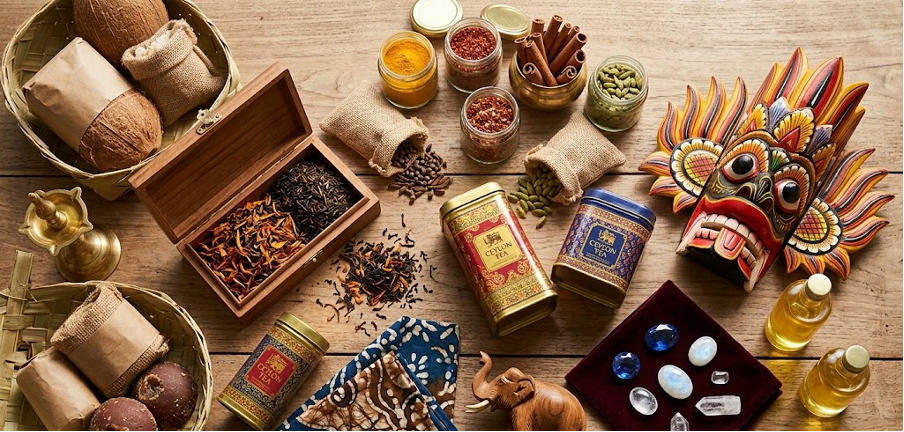
Ceylon Tea stands as one of the most sought-after sri lankan gifts. People celebrate it worldwide for its exceptional quality and distinctive flavor profiles. Sri Lanka produces tea that is globally recognized for its rich aroma, bold flavor, and superior standards. The island’s scenic highlands create ideal growing conditions. The tea industry categorizes production into high country, mid country, and low country elevations. Each elevation brings unique taste characteristics.
Types of Ceylon Tea Available
The diversity of Ceylon Tea makes it suitable for various priorities and wellness goals. Black tea remains the most popular variety. It features a bold, brisk taste with citrusy notes that work perfectly for breakfast or with milk. This category has multiple grades ranging from Orange Pekoe (the largest wiry leaves) down to dust grade. Each grade brings different color intensity and flavor strength.
Green tea from Sri Lanka presents a fuller body compared to other origins. It has more pungent, malty, and nutty flavor characteristics. White tea, also known as Silver Tips, represents the rarest and most expensive option. Workers pluck only the buds at dawn delicately. They hand-roll each one individually and process them minimally to create a subtle, light-colored tea with floral notes and natural sweetness. Oolong tea balances the fresh taste of green tea with the body of black tea. This creates complex and aromatic profiles. Flavored varieties include Earl Gray with bergamot and jasmine green tea. You’ll also find cinnamon-infused options and fruit blends featuring mango or passionfruit.
Top Brands to Think About
Dilmah represents one of the most prominent tea brands worldwide when shopping in Sri Lanka. The company was founded in 1988 with a commitment to preserving authenticity and ethical practices. The brand operates in over 100 countries and maintains its own tea school for education. Mlesna brings exceptional quality, especially at their loose tea sales counter in Liberty Plaza on Dharmapala Mawatha in Colombo 3. You’ll find the highest quality estate-specific teas there. Other prominent names include Basilur, known for intricate packaging designs. Mackwoods and Zesta are also worth noting. Basilur Tea Export sources from various estates across the island.
Where to Buy Ceylon Tea in Sri Lanka
Halpé Tea maintains multiple outlets across the island. Shops at One Galle Face Mall in Colombo, the Sky Cafe at Uva Halpewatte Tea Factory in Ella, and locations at Bandaranaike International Airport serve customers. These stores provide free tea tasting sessions and wide product ranges from budget to luxury categories. Visit Mlesna’s specialty outlet at Liberty Plaza’s ground floor entrance for the finest selection. This location stocks loose teas from specific estates that surpass even export quality.
Ceylon Tea Prices and Packaging Options
Ceylon Tea prices vary based on type and grade. Standard varieties like BOP1 Tea range from USD 12.00 to USD 85.00. Earl Gray Tea costs between USD 14.00 and USD 48.00. Silver Tips White Tea commands premium pricing from USD 15.00 to USD 200.00 due to its rarity and manual harvesting process. Golden Tips Tea carries similar price ranges. Bulk purchases provide better value. Wholesale options start around USD 10.00 per kilogram for standard grades.
Spices and Curry Mixes
Sri Lanka’s spice trade heritage runs centuries deep. The island stands as one of the world’s premium sources for authentic, aromatic spices to buy. Tropical climate combines with traditional cultivation methods to produce spices with unmatched potency and flavor profiles that define the best souvenirs from Sri Lanka.
Essential Spices to Buy from Sri Lanka
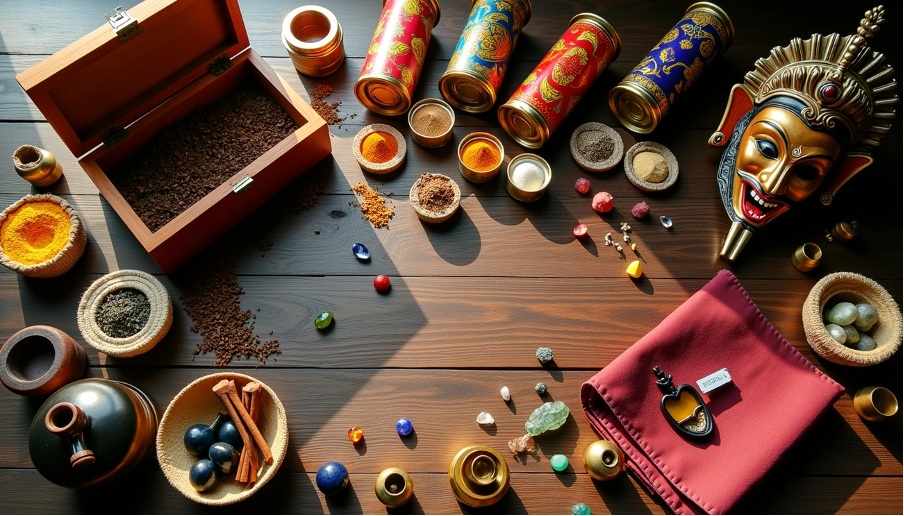
Ceylon Cinnamon, known as Kurundu, stands as the island’s most iconic spice and is endemic to Sri Lanka. This variety represents true cinnamon (Cinnamomum verum), cut and curled into long tubes from the inner bark of the tree. It differs from the cassia cinnamon found elsewhere. Ceylon Pepper earns its title as the King of Spices and is favored worldwide for its richness in piperine, the alkaloid that delivers pungency. Cardamom, called Enasal, holds the position of Queen of Spices. It comes from seeds of plants in the Zingiberaceae family.
Other essential spices include turmeric (Kaha), valued for its powerful aroma and golden hue in coconut curries. Cloves (Karabu) rank among the most prized and expensive spices since ancient times. Nutmeg (Sadikka) produces two separate spices from a single tree. Cumin seeds, chili varieties cultivated island-wide, and ginger (Inguru) round out the must-buy collection for anyone shopping in Sri Lanka.
Pre-Made Curry Mixes
The difference between roasted and unroasted curry powder remains fundamental to authentic Sri Lankan cooking. Roasted curry powder undergoes dry-roasting before grinding. This intensifies flavors and creates deeper, smoky aromatic compounds with robust, earthy profiles. This variety suits meat curries, fish dishes, and marinades where bold spice character complements strong-flavored proteins. Roasted options cost from USD 27.00. Unroasted curry powder skips the heat treatment and preserves cleaner, lighter spice character that allows vegetable flavors to shine through. This milder variety works for vegetable curries, lentil dishes, and rice preparations, priced from USD 25.00.
Best Markets and Shops
Kandy’s Central Market houses Shop 42, recommended for exceptional spice quality and reasonable prices. Owner Marzook provides friendly, informative service without pressure. Matale, located between Kandy and Sigiriya, represents the heartland of spice cultivation with numerous gardens offering detailed demonstrations on harvesting and processing. Pettah Market in Colombo delivers an immersive wholesale experience with sacks overflowing with colorful powders and aromatic whole spices. Coastal towns like Galle offer charming local markets with unique regional specialties and homemade curry powders in more relaxed settings.
Cost and Packaging
Spices packaging employs advanced barrier materials that protect against oxygen, moisture, and light. This preserves freshness and aroma retention. Individual spice prices vary based on variety and quantity. Bulk purchases offer better value for travelers stocking up on sri lankan gifts.
Raksha Masks and Traditional Art
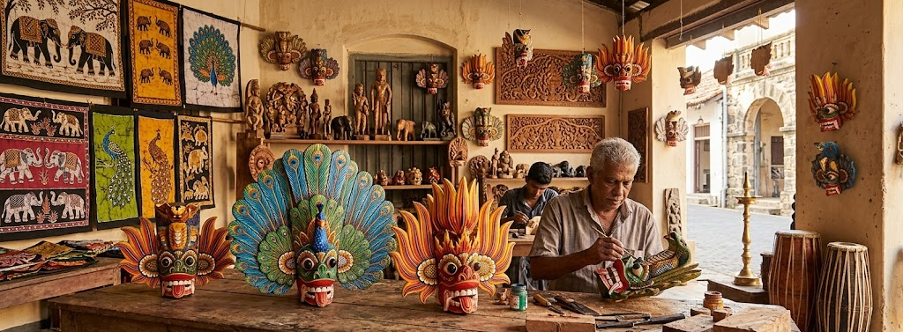
Sri Lankan masks represent powerful cultural artifacts that blend artistic craftsmanship with spiritual significance. They make distinctive additions to what to buy in sri lanka. The history of these handcrafted pieces dates back to the 15th century, with strong connections to demon worship and ritualistic practices. These masks are carved from Kaduru wood (Strychnos nux-vomica), one of the world’s lightest timbers. They feature bulging eyes, protruding tongues and vibrant lacquered finishes that create striking visual effect.
History and Cultural Importance
Three distinct types of mask dances define Sri Lankan tradition. Raksha masks, meaning “demon,” serve festivals and street processions while symbolizing protection against evil spirits. Sanni masks appear in healing ceremonies, with eighteen different varieties. Each specializes in curing specific ailments like vomiting (green complexion) or high fever (flaming red complexion). Kolam masks feature character faces used in storytelling dances and theatrical performances. Traditional dances accompanying mask use have declined over the last several years. Rural areas and cultural centers still maintain these practices.
Different Types of Sri Lankan Masks
The Raksha category honors the Rakshasas, a mythological race that ruled ancient Sri Lanka and could assume 24 different forms. Naga Raksha depicts a cobra that captures and enslaves enemies. Gurulu Raksha portrays a hawk or eagle rescuing captives. Maru Raksha represents the demon of death. Gini Raksha (Fire Devil) projects anger to ward off evil using red, yellow and orange colors. Mayura Raksha features three feathered peacocks believed to bring peace, wealth and harmony. Other forms has Rathnakuta Raksha with a large snake hood and Gara Raksha used in healing rituals.
Where to Buy Authentic Masks
Ariyapala & Sons in Ambalangoda operates with over 150 years of experience. The business has passed through their fifth generation of traditional mask carving and dancing. This cultural center has an arts and crafts shop where visitors learn mask-making history before creating their own pieces. The Ambalangoda Masks Museum displays original traditional masks and presents detailed historical information to visitors.
Price Guide
Prices vary based on size and craftsmanship by a lot. Small 4-inch masks range from USD 12.50 to USD 109.00. Medium 6-inch masks cost between USD 34.99 and USD 249.00. Larger pieces from 9 to 14 inches span USD 27.89 to USD 459.00. Premium royal king masks measuring 12-13 inches command USD 449.00 to USD 499.00. Authentic pieces from museum collections can reach USD 125,000 for exceptional carving quality.
Gemstones: The Treasure of Sri Lanka
Gem shopping Sri Lanka offers an unmatched experience in one of the world’s most celebrated gemstone sources. Sri Lanka is known as the “Pearl of the Indian Ocean” and boasts a rich history in gem mining and trading, with over 90% of the island composed of gem-bearing Pre-Cambrian rock. The island supplies over 75 varieties of precious and semi-precious stones that include rubies, sapphires, topazes, tourmalines and the ultra-rare padparadscha.
Ceylon Sapphires and Other Precious Stones
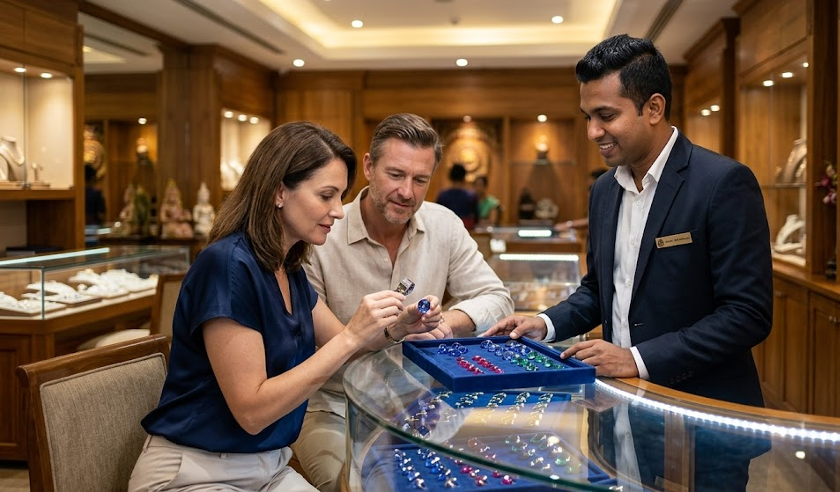
Ceylon sapphires have been mined since the stone age without interruption. This makes Sri Lanka likely the oldest gem source in the world. The island produces all colors of sapphires, from the celebrated cornflower blue to fancy varieties in yellow, pink, purple and orange. Blue Ceylon sapphires are renowned for their bright mid-blue color that is lighter and more vibrant than sapphires from other origins. The padparadscha sapphire displays a distinctive pinkish-orange to orangey-pink hue and ranks among the most desirable colored gemstones. It is named after the Sinhalese word for lotus flower. Some of the world’s largest sapphires originate from Sri Lanka. These include the Blue Giant of the Orient at 466 carats, the Logan Blue Sapphire at 423 carats and the Blue Belle of Asia at 400 carats. Princess Catherine’s engagement ring features a 12-carat Ceylon sapphire that Princess Diana wore previously.
Tips for Gem Shopping in Sri Lanka
You need to examine multiple factors to understand gemstone value: type, carat weight, cut quality, color depth, clarity and treatment history. Always request certification from reputable laboratories that detail the stone’s characteristics, including origin and treatments. Use a 10x magnification loupe to inspect for inclusions and assess how light interacts with the stone under both natural and artificial lighting. Beware of overly aggressive sales tactics or suspiciously low prices that may indicate synthetic or inferior quality stones. Negotiation forms part of the buying process. Start by offering about 80% of your intended budget and work upward.
Certified Dealers and Shops
Purchase from licensed dealers that the National Gem and Jewelry Authority of Sri Lanka recognizes. GemHill is 5 years old and provides natural untreated sapphires with certification of gem identification for every stone. Prestige Gems operates with over 35 years of expertise and specializes in natural Ceylon sapphires that include blue, yellow, pink and padparadscha varieties.
Investment and Pricing
Investment-grade gemstones typically start around USD 5,000 to USD 10,000 per stone. Unheated gemstones of fine quality command higher prices but offer the greatest appreciation potential. Certification from GIA, Gübelin Gem Lab, or SSEF remains essential for serious investments.
Batik Clothing and Fabrics
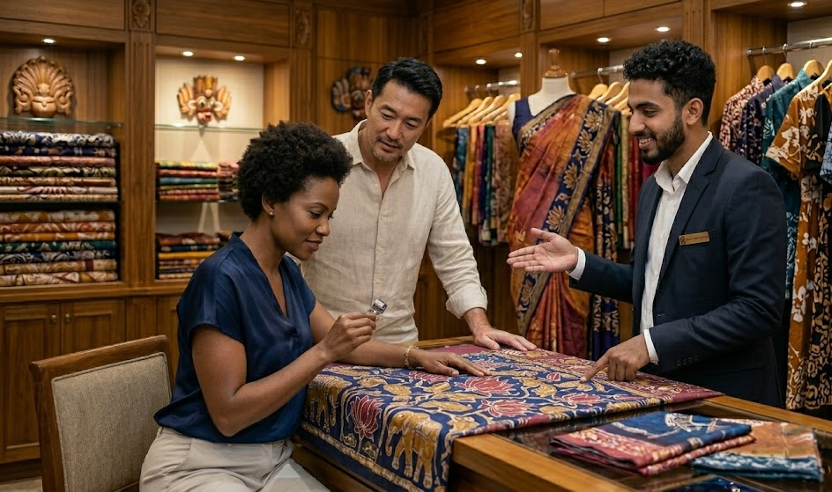
Batik textiles showcase wax-resist dyeing techniques that evolved into a Sri Lankan art form after being introduced to the island in the early 20th century. The word derives from the Javanese term ambatik, meaning “written with drops.” This refers to the hand-drawing process. This craft represents one of the best souvenirs from Sri Lanka to travelers seeking authentic cultural pieces.
Traditional Batik Techniques
The creation process begins with hot wax applied to cotton fabric using a tjanting tool. This forms barriers during dyeing that preserve design integrity. The fabric is dyed and boiled to remove wax. The final pattern emerges with a distinctive crackle effect that adds depth. Ena de Silva refreshed this craft in the 1960s and transformed traditional motifs with contemporary flair. Her works influenced Geoffrey Bawa’s architectural projects, including the Sri Lankan Parliament and Bentota Beach Hotel.
Clothing and Home Decor Options
Batik products span traditional attire like sarongs and sarees, plus home decor including wall hangings, tablecloths, curtains, and cushion covers. Designs often incorporate symbolic motifs: lotus flowers representing purity and elephants denoting strength. Modern designers create trendy pieces like shirt dresses and bomber jackets with graphic prints inspired by endemic animals and urban life. Shopping in Sri Lanka to find batik is special because of the blend of traditional patterns with contemporary silhouettes that appeal to global audiences.
Barefoot Ceylon and Other Boutiques
Barefoot has defined artisan Sri Lankan design for over 40 years. Barbara Sansoni started it as a weaving collective. It has since blossomed into a full brand that offers hand-dyed textiles, batik cushions, mats, and napkins. Their Colombo location features an emporium, gallery, bookstore, and courtyard café. Sonali Dharmawardena represents another notable artist who found batik and merged her love of fashion and art. Gallery Ceylon stocks popular batik textiles favored by locals and foreigners alike.
Cost Range
Batik pieces vary based on craftsmanship and size. Handmade items command premium prices due to their labor-intensive nature and unique designs.
Ayurvedic Oils and Natural Skincare
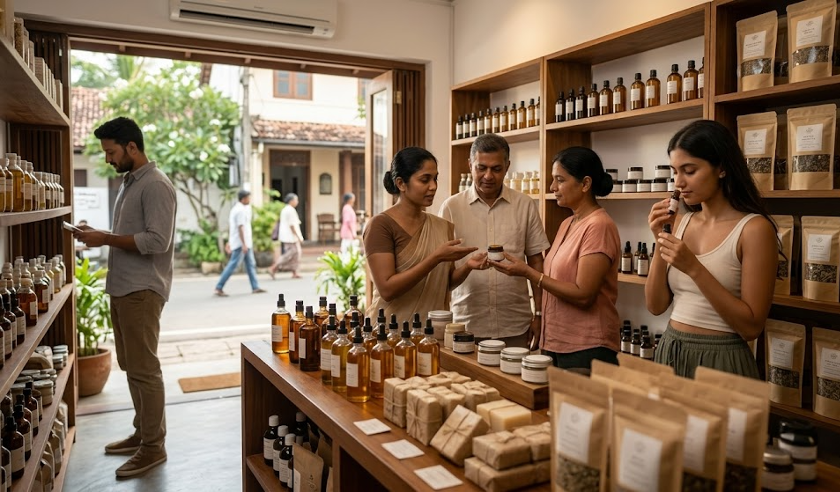
Ayurvedic wellness products from Sri Lanka offer comprehensive health solutions rooted in ancient medicinal practices nearly 2,000 years old. These natural formulations combine traditional knowledge with modern quality standards and make exceptional additions to what to buy in sri lanka for health-conscious travelers.
Popular Wellness Products
Herbal oils dominate the Ayurvedic product landscape. They relieve pain, nourish skin and promote relaxation. These blends deliver natural care for body and mind through botanical ingredients selected with care. Balms provide fast relief for joint and muscle discomfort, with formulations dating back over 4,000 years to ancient Ayurveda pharmacopeia. Hair care oils address specific concerns like premature graying and hair loss through proven herbal combinations. Personal care products extend to toothpastes, shampoos and skincare items crafted without harsh chemicals. Specialty items include dietary supplements, herbal teas and wellness products packaged as capsules, teas and topical applications.
Trusted Ayurvedic Brands
Siddhalepa stands as Sri Lanka’s most trusted Ayurvedic brand and manufactures over 150 medicines and wellness products. Link Natural, 42 years old, produces over 200 items. These include the groundbreaking branded hair oil ‘Link Kesha’, plus Samahan herbal drink and Sudantha toothpaste. Beam offers specialized Ayurvedic oils like Maha Narayana and citronella varieties for targeted therapeutic applications. Janet Ayurvedics started Ayurvedic beauty and personal care manufacturing in 1961 and achieved market leadership by 1996.
Shopping Locations in Sri Lanka
Products are available at Siddhalepa retail outlets and online platforms like Kapruka offering same-day delivery across Sri Lanka. Major retailers including grocery stores and pharmacies stock these brands nationwide.
Pricing Information
Beam Ayurvedic oils range from LKR 180.00 for balms to LKR 650.00 for specialized varieties. Link products include Samahan at LKR 1,800.00 for 30 packs and hair oils from LKR 700.00 to LKR 1,000.00. Siddhalepa balm costs KSh 1,000.00 for 50g packs.
Handwoven Textiles and Designer Wear
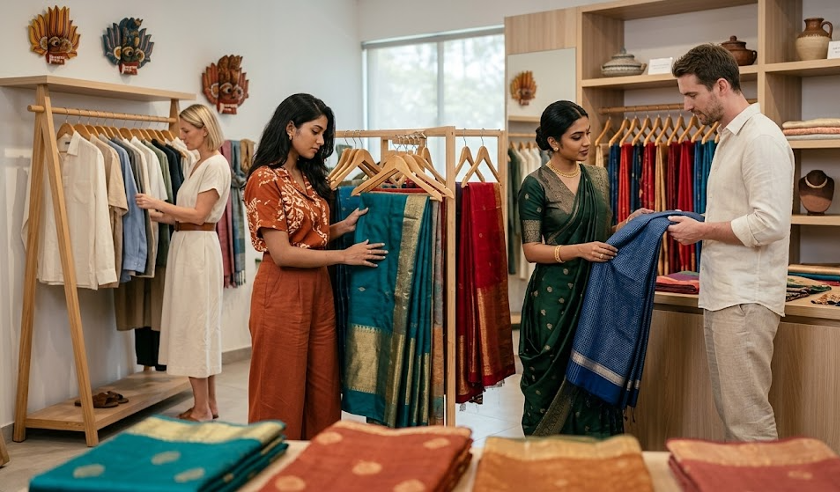
Handloom weaving is the foundation of Sri Lankan textile heritage, with roots stretching back to the 6th Century BC. Families and communities keep this ancient craft alive. They preserve traditional techniques passed down through generations.
Sri Lankan Handloom Tradition
Traditional weaving centers like Halgolla and Mahawa produce handloom fabrics celebrated for their durability and breathability. These fabrics are environmentally responsible. The villages of Dumbara and Thalagune hold deep connections to handloom textile weaving from the Kandyan era. Indigenous weaving communities maintain distinct esthetics. They draw inspiration from nature forms and geometric patterns. Weavers crafted these textiles for Kandyan Kings and aristocrats. They still employ age-old processes today.
Modern Fashion and Traditional Sarongs
Contemporary designers blend handloom tradition with new approaches. They create unique sri lankan gifts. Ushani Design, founded by University of Moratuwa graduate Ushani Hewage, pioneered “image weaving” using gradient color combinations that make woven fabric appear printed. She works with three skilled weavers who produce traditional saris. Each piece requires approximately 6 meters of fabric. Traditional sarongs remain popular wardrobe staples. You can find them in various patterns from classic stripes to printed designs celebrating Sri Lankan heritage.
Where to Shop for Textiles
Selyn stands as Sri Lanka’s only Fair-trade certified handloom company. The company has worked with a network of 1,000 artisans since 1991. Kandygs has protected traditional handloom weaving since 1971. The company operates with over 300 weavers island-wide. Both companies champion ethical practices and environmentally responsible materials while offering contemporary designs. These retailers provide everything from home textiles to fashion pieces when shopping in Sri Lanka.
Price Expectations
Handwoven sarongs range from Rs 4,350 to Rs 4,550 at retailers with a track record. International platforms offer handmade Sri Lankan batik sarongs from USD 25.19 to USD 37.60. Handloom sarees span Rs 6,900 for cotton varieties to Rs 15,900 for silk blends.
Wooden Handicrafts and Elephant Souvenirs
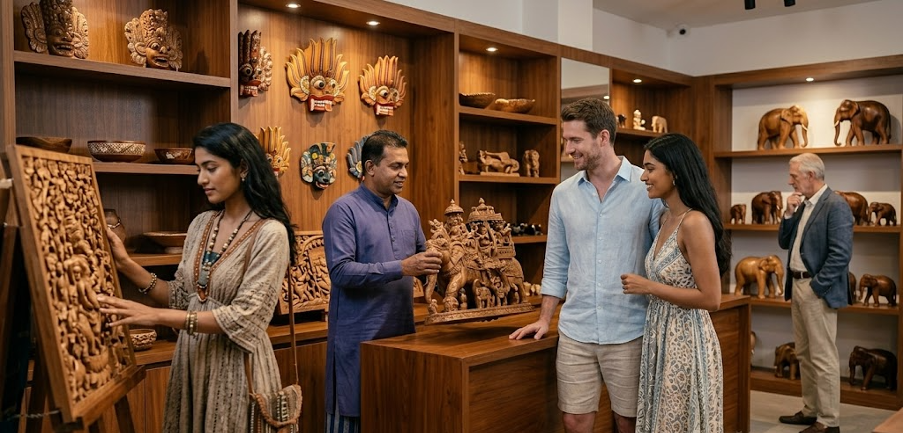
Skilled artisans transform hardwoods into intricate sculptures. Wooden carvings are among the best souvenirs from Sri Lanka. This craft tradition produces pieces ranging from small decorative items to detailed sculptures and has exceptional quality that is recognized around the world.
Types of Wood Carvings Available
Artisans work with close-grained hardwoods including ebony, palu, sandalwood, gam-malu, na, mahogany, and teak. Elephants occupy pride of place among all but one of these carved subjects, especially pieces crafted from ebony in the Galle region. Craftsmen create Buddha statues (often from sandalwood), wall hangings, jewelry boxes, pen holders, ash trays, and walking sticks besides elephant figures in various sizes. Wooden toys represent high export earners. They are hand-painted with non-toxic colors and designed for educational purposes.
Cultural Significance
The Embekke Devalaya showcases Sri Lanka’s woodcarving mastery with 514 unique designs on wooden pillars. UNESCO recognizes it as one of the world’s most outstanding collections. These ancient carvings feature sophisticated examples of Sinhalese art and include the famous entwined elephant and bull design. The market for wooden carvings is projected to grow at 8.1% CAGR during 2025-2031. Global appreciation for artisanal and eco-friendly products drives this growth.
Best Places to Buy
Ambalangoda and Colombo serve as main shopping destinations. Laksala, the national handicraft store, offers extensive carved wooden items and furniture. Ceylon Crafts specializes in intricate carvings and marquetry. Miniature replicas of temple carvings from Lankatilaka and Embekke Devale sanctuaries are available in Kandy.
Cost Breakdown
Wood carvings range from USD 5.00 to USD 500.00 depending on size and detail. Smaller items start around USD 3.00 to USD 20.00.
Coconut-Based Products
Coconut products rank among the most versatile sri lankan gifts, sourced from Sri Lanka’s renowned Coconut Triangle where ideal soil and climatic conditions produce nutrient-rich coconuts. Manufacturers export over 30,000 metric tons to global markets annually.
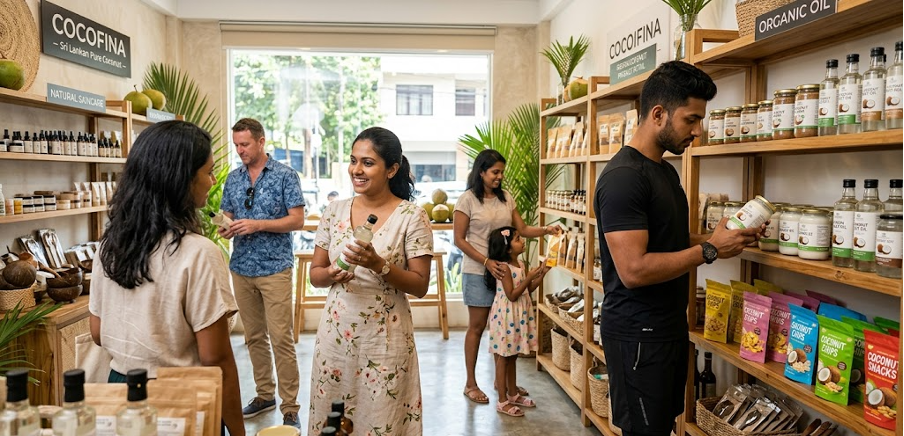
Coconut Oil, Milk, and Snacks
Extra virgin coconut oil just needs 13 coconuts to produce one liter. Cold-pressed from fresh coconut meat, it retains natural aroma and nutrient profile. Coconut milk and cream come from grated coconut meat that’s filtered to produce rich textures without thickeners or stabilizers. Coconut flour just needs 30 coconuts per kilogram and attracts fitness and gluten-free consumers globally. Its natural aroma improves premium baked goods. Other options include desiccated coconut in high-fat and low-fat varieties, coconut sugar that just needs 9 liters of flower sap per kilogram, king coconut water as an electrolyte-rich beverage, and coconut chips for snacking.
Health Benefits and Uses
Coconut contains medium-chain fatty acids that metabolize differently from long-chain fats. These are associated with improvements in brain function and cholesterol levels. MCTs stimulate energy through thermogenesis and boost insulin sensitivity. They improve exercise endurance too. Coconut provides antioxidants with antibacterial properties that may support blood sugar management.
Where to Find Quality Products
Econutrena supplies organic certified products from their own plantations with minimal human involvement and quality control. Ceylon Exports & Trading holds ISO22000, USDA NOP, and EU Organic certifications. They export to over 20 countries.
Pricing Guide
Coconut oil wholesale prices range from Rs 900,000 to Rs 1,000,000 per metric ton. White coconut oil costs Rs 1,200,000 to Rs 1,300,000. Desiccated coconut retails between Rs 700 and Rs 825 per kilogram.
Lacquerware and Pottery
Laaksha, the traditional art of lacquerware, has a deep-rooted history dating back to the introduction of Buddhism to Sri Lanka. Legend suggests this craft arrived with the sacred Sri Maha Bodhi tree sapling from India and established a connection with the Temple of the Sacred Tooth Relic in Kandy. Pottery represents one of the oldest craftwork lines in Sri Lanka. It still thrives despite modern alternatives.
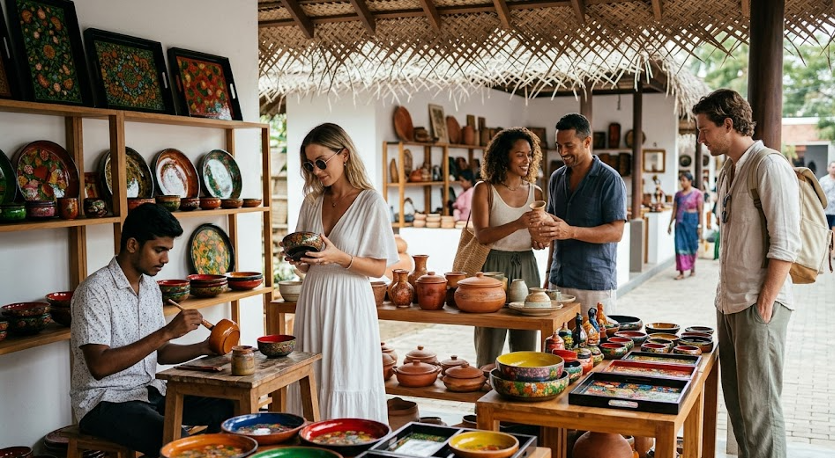
Traditional Crafting Techniques
Two fundamental techniques define lacquerware production. The nail work method, called “niyapoten veda,” involves skilled craftsmen seated with a charcoal-filled pot. They coat objects with ground color before warming and pressing lac using a talipot leaf. The lathe work technique, known as Pattal Wada, rotates objects while applying hardened lac sticks. Friction softens the material for adhesion. Traditional colors included red, yellow and black. Modern dyes now enable purple, lead, copper and gold finishes. Clay pottery uses spinning wheels with soft clay molded and solidified in brick ovens.
Popular Items and Designs
Lacquerware products include jewelry boxes, flower vases, bowls, curry spoons and decorative pots. Black lacquerware pots showcase etched golden detailing. They are ideal for storing rice, grains or ceremonial items. Pottery covers clay pots, terracotta figures, vases and various utensils valued for their rustic appearance.
Shopping Destinations
Lakshilpa and Spa Ceylon offer large lacquerware collections online and in retail locations. Molagoda village along the Colombo-Kandy road remains famous for authentic clay pottery.
Cost Range
Lacquerware prices span LKR 660 for simple bowls to LKR 6,260 for ornate dekum pots.
Eco-Friendly and Sustainable Finds
Sustainable shopping options in Sri Lanka blend environmental consciousness with support for local communities and offer eco-friendly alternatives among the best souvenirs from Sri Lanka. The craft sector faces challenges that include limited technology access and unsustainable resource use, yet artisan initiatives work to preserve the island’s craft legacy while meeting international standards.
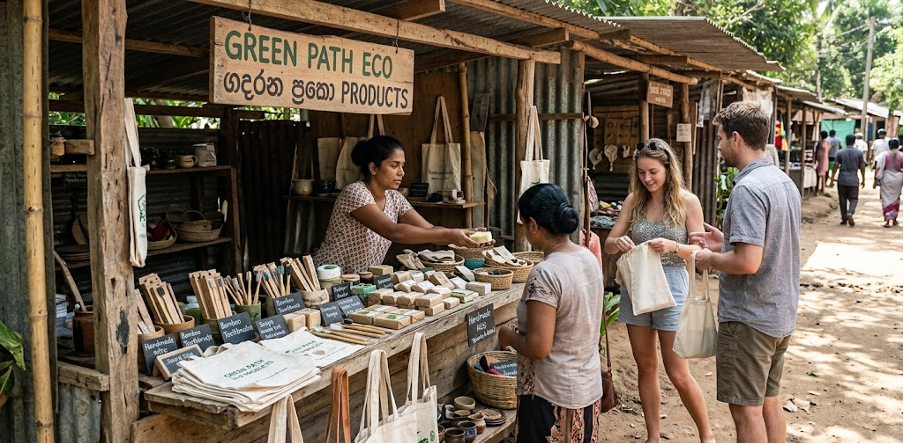
Bamboo Products and Natural Items
Bamboo products showcase nature’s renewable resources through handcrafted items. Water bottles cost USD 5.64. Table clocks run USD 3.50, and toothbrush holders range from USD 3.50 to USD 4.72. Arecanut leaf products provide biodegradable alternatives. Lunch boxes are priced at USD 0.66 to USD 0.89, and dining plates from USD 0.36 to USD 0.63. Coconut shell items and palmyrah weavings expand your sustainable shopping options in Sri Lanka.
Supporting Local Artisans
Made by Her champions women-led businesses. Each partner maintains 60% or above workforce of women. These artisans employ traditional weaving and natural recycling techniques to create products that enable women while sustaining regional livelihoods. Purchases invest directly in the local economy and promote women’s entrepreneurship.
Where to Shop Sustainably
Good Market in Colombo prioritizes organic produce and fair trade craft products. Selyn Fairtrade represents Sri Lanka’s only Fair Trade guaranteed handloom company. Bhumi Sri Lanka offers cruelty-free products that include bamboo straws and solid shampoo bars. Simply Eco Sri Lanka provides earth-friendly alternatives to single-use plastics.
Estimated Costs
Eco-friendly items span budget-friendly to premium ranges. Most sustainably produced goods offer reasonable value to conscious consumers.
Comparison Table: Best Souvenirs from Sri Lanka
| Souvenir Item | Key Features/Varieties | Where to Buy | Price Range | Cultural/Historical Significance |
|---|---|---|---|---|
| Ceylon Tea | Black tea (Orange Pekoe to dust grade), Green tea (fuller body, malty), White tea (Silver Tips - rarest), Oolong tea, Flavored varieties (Earl Gray, jasmine, cinnamon, fruit blends) | Halpé Tea (One Galle Face Mall, Ella, Airport), Mlesna (Liberty Plaza, Colombo 3), Dilmah outlets, Basilur stores | BOP1 Tea: USD 12.00-85.00, Earl Gray: USD 14.00-48.00, Silver Tips White Tea: USD 15.00-200.00, Golden Tips: As with Silver Tips, Bulk wholesale: USD 10.00/kg | The tea industry has earned global recognition since its founding. Production happens at high, mid and low country elevations. Dilmah was founded in 1988 and operates in 100+ countries |
| Spices and Curry Mixes | Ceylon Cinnamon (Kurundu - endemic), Ceylon Pepper (King of Spices), Cardamom (Enasal - Queen of Spices), Turmeric (Kaha), Cloves (Karabu), Nutmeg (Sadikka), Cumin, Chili, Ginger (Inguru), Roasted curry powder, Unroasted curry powder | Kandy Central Market (Shop 42), Matale spice gardens, Pettah Market (Colombo), Galle local markets | Roasted curry powder: from USD 27.00, Unroasted curry powder: from USD 25.00, Individual spices vary by variety and quantity | The spice trade heritage runs centuries deep. The tropical climate produces potency that remains unmatched. Matale is the heartland of spice cultivation |
| Raksha Masks and Traditional Art | Raksha masks (demon protection), Sanni masks (18 varieties for healing), Kolam masks (storytelling), Naga Raksha (cobra), Gurulu Raksha (hawk/eagle), Maru Raksha (death demon), Gini Raksha (Fire Devil), Mayura Raksha (peacock) | Ariyapala & Sons (Ambalangoda - 150+ years experience), Ambalangoda Masks Museum | Small 4-inch: USD 12.50-109.00, Medium 6-inch: USD 34.99-249.00, Large 9-14 inch: USD 27.89-459.00, Premium royal king 12-13 inch: USD 449.00-499.00, Museum quality: up to USD 125,000 | History dates to the 15th century. Artisans carve them from Kaduru wood. The masks connect to demon worship and ritualistic practices. Three distinct mask dance types exist |
| Gemstones | Ceylon Sapphires (all colors - blue, yellow, pink, purple, orange), Padparadscha sapphire (pinkish-orange), Rubies, Topazes, Tourmalines, Over 75 varieties total | GemHill (founded in 2019), Prestige Gems (35+ years expertise), Licensed dealers recognized by National Gem and Jewelry Authority | Investment-grade: USD 5,000-10,000+ per stone, Prices vary by type, carat, cut, color, clarity, treatment | Over 90% of the island is gem-bearing Pre-Cambrian rock. This is likely the world's oldest gem source (since stone age). The island supplies the world's largest sapphires including Blue Giant of the Orient (466 carats) |
| Batik Clothing and Fabrics | Traditional attire (sarongs, sarees, frocks), Home decor (wall hangings, tablecloths, towels, sheets, curtains, cushion covers), Modern fashion (shirt dresses, bomber jackets), Symbolic motifs (lotus, peacocks, elephants) | Barefoot Ceylon (Colombo - 40+ years), Gallery Ceylon, Sonali Dharmawardena boutiques | Varies based on craftsmanship and size, handmade items command premium prices | The craft was introduced in the early 20th century. The word derives from Javanese "ambatik" (written with drops). Ena de Silva revitalized the craft in the 1960s and influenced Geoffrey Bawa's architecture |
| Ayurvedic Oils and Natural Skincare | Herbal oils (pain relief, skin nourishment, relaxation), Balms (joint/muscle relief), Hair care oils (anti-graying, hair loss), Personal care (toothpastes, shampoos, skincare), Dietary supplements, Herbal teas | Siddhalepa retail outlets, Link Natural stores, Kapruka online (same-day delivery), Major grocery stores and pharmacies | Beam oils: LKR 180.00-650.00, Link Samahan: LKR 1,800.00 (30 packs), Link hair oils: LKR 700.00-1,000.00, Siddhalepa balm: KSh 1,000.00 (50g) | Ancient medicinal practices span nearly 2,000 years. Formulations date back over 4,000 years to the Ayurveda pharmacopeia. Siddhalepa manufactures 150+ products. Link was founded in 1982 |
| Handwoven Textiles and Designer Wear | Traditional handloom fabrics, Kandyan era textiles, Modern fashion with handloom, Traditional sarongs (classic stripes to printed designs), Handloom sarees (6 meters fabric), Image weaving technique | Selyn (Fair-trade certified, 1,000 artisans since 1991), Kandygs (300+ weavers since 1971), Halgolla and Mahawa weaving centers, Dumbara and Thalagune villages | Handwoven sarongs: Rs 4,350-4,550, International batik sarongs: USD 25.19-37.60, Handloom sarees: Rs 6,900 (cotton) to Rs 15,900 (silk blends) | Roots stretch to the 6th Century BC. Artisans crafted these textiles for Kandyan Kings and aristocrats historically. Ushani Design pioneered "image weaving" with gradient colors |
| Wooden Handicrafts and Elephant Souvenirs | Elephant figures (especially ebony from Galle), Buddha statues (sandalwood), Wall hangings, Jewelry boxes, Pen holders, Walking sticks, Wooden toys (hand-painted, non-toxic), Household items | Laksala (national handicraft store), Ceylon Crafts (intricate carvings and marquetry), Ambalangoda and Colombo shops, Kandy (temple carving replicas) | Small items: USD 3.00-20.00, General range: USD 5.00-500.00 depending on size and detail | Embekke Devalaya features 514 unique designs on wooden pillars (UNESCO recognized). Artisans use close-grained hardwoods (ebony, palu, sandalwood, mahogany, teak). The market is projected to grow 8.1% CAGR from 2025-2031 |
| Coconut-Based Products | Extra virgin coconut oil (13 coconuts per liter), Coconut milk and cream, Coconut flour (30 coconuts per kg), Desiccated coconut (high-fat/low-fat), Coconut sugar (9 liters sap per kg), King coconut water, Coconut chips | Econutrena (organic certified plantations), Ceylon Exports & Trading (ISO22000, USDA NOP, EU Organic certified, exports to 20+ countries) | Coconut oil wholesale: Rs 900,000-1,000,000 per metric ton, White coconut oil: Rs 1,200,000-1,300,000 per metric ton, Desiccated coconut: Rs 700-825 per kg | The Coconut Triangle with ideal soil and climate sources these products. Manufacturers export 30,000+ metric tons each year. The products contain medium-chain fatty acids with health benefits |
| Lacquerware and Pottery | Jewelry boxes, Flower vases, Bowls, Basins, Curry spoons, Pen holders, Decorative pots, Black lacquerware with golden etching, Clay pots, Terracotta figures | Lakshilpa, Spa Ceylon (online and retail), Molagoda village (Colombo-Kandy road - famous for clay pottery) | Simple bowls: LKR 660, Elaborate dekum pots: LKR 6,260, Range varies by item complexity | Laaksha dates to Buddhism's introduction to Sri Lanka. Legend connects it to the Sri Maha Bodhi tree sapling from India. Pottery is one of the oldest craftwork lines still thriving |
| Eco-Friendly and Environmentally Responsible Finds | Bamboo products (water bottles, table clocks, toothbrush holders), Arecanut leaf products (lunch boxes, dining plates), Coconut shell items, Palmyrah weavings, Recycled paper goods | Good Market (Colombo - organic/fair trade), Selyn Fairtrade (only Fair Trade guaranteed handloom), Bhumi Sri Lanka (bamboo straws, solid shampoo bars), Simply Eco Sri Lanka, Made by Her (women-led businesses) | Bamboo water bottles: USD 5.64, Bamboo table clocks: USD 3.50, Bamboo toothbrush holders: USD 3.50-4.72, Arecanut lunch boxes: USD 0.66-0.89, Arecanut plates: USD 0.36-0.63 | Made by Her partners maintain 60%+ women workforce. The initiative supports local artisans using traditional weaving and natural recycling techniques. It promotes women's entrepreneurship |
Conclusion
Sri Lanka offers authentic treasures that capture the island’s rich cultural heritage. World-famous Ceylon Tea, aromatic spices, precious gemstones and handcrafted batik from Barefoot Ceylon provide exceptional value. Each souvenir tells a story of traditional craftsmanship passed through generations. Your purchases support local artisans and preserve ancient techniques. Start with items that match your interests. Then explore markets like Kandy Central or boutiques in Colombo for the best selection. Take your time comparing quality and prices, especially for investments like sapphires. Your Sri Lankan souvenirs will remind you of this extraordinary island paradise for years to come.
Key Takeaways
Discover Sri Lanka’s most authentic treasures that blend cultural heritage with exceptional quality, from world-renowned Ceylon tea to precious gemstones and traditional crafts.
- Ceylon Tea reigns supreme – Choose from black, green, white, and oolong varieties at Dilmah, Mlesna, or Halpé outlets, with prices ranging USD 12-200 depending on grade and rarity.
- Spices offer unmatched authenticity – Buy endemic Ceylon cinnamon, pepper, and cardamom from Kandy Central Market or Matale spice gardens for genuine flavors unavailable elsewhere.
- Gemstones provide investment potential – Sri Lanka supplies 75+ varieties including world-famous sapphires; purchase only from certified dealers with proper documentation for authenticity.
- Traditional crafts preserve heritage – Raksha masks, batik textiles from Barefoot Ceylon, and handwoven fabrics support local artisans while offering unique cultural pieces.
- Sustainable shopping supports communities – Choose eco-friendly bamboo products, Fair Trade textiles from Selyn, or women-led businesses through Made by Her for conscious purchasing.
When shopping in Sri Lanka, focus on items that match your interests and budget, compare quality across multiple vendors, and always request proper certification for valuable purchases like gemstones. Your souvenirs will serve as lasting reminders of this extraordinary island’s rich cultural tapestry.
FAQs
Q1. What are the most popular items to purchase as souvenirs in Sri Lanka? Ceylon tea, precious gemstones (especially sapphires), traditional spices like cinnamon and cardamom, handcrafted batik textiles, Raksha masks, wooden elephant carvings, and Ayurvedic wellness products are among the most sought-after souvenirs. Each item reflects Sri Lanka’s rich cultural heritage and offers authentic quality that’s difficult to find elsewhere.
Q2. Where can I find authentic gemstones in Sri Lanka? Purchase gemstones only from licensed dealers recognized by the National Gem and Jewelry Authority of Sri Lanka. Reputable options include GemHill and Prestige Gems, both offering certified natural stones. Always request proper certification from laboratories like GIA or Gübelin, and inspect stones under natural lighting with a 10x magnification loupe before purchasing.
Q3. What makes Ceylon tea special compared to other teas? Ceylon tea is renowned for its exceptional quality, bright mid-blue color in sapphires, and distinctive flavor profiles shaped by Sri Lanka’s unique highland growing conditions. The island produces tea across different elevations (high, mid, and low country), each offering unique taste characteristics. Ceylon tea has been continuously produced since ancient times and is globally recognized for its rich aroma and superior standards.
Q4. Are batik products from Sri Lanka handmade? Yes, authentic Sri Lankan batik involves traditional wax-resist dyeing techniques where hot wax is hand-applied to fabric using a tjanting tool. After dyeing and boiling to remove the wax, each piece features a distinctive crackle effect. Barefoot Ceylon and other reputable boutiques offer genuine handcrafted batik clothing and home decor items that blend traditional motifs with contemporary designs.
Q5. What should I know before buying spices in Sri Lanka? Sri Lanka offers exceptional spices including endemic Ceylon cinnamon, pepper (rich in piperine), cardamom, turmeric, and cloves. Shop at trusted locations like Kandy Central Market (especially Shop 42) or Matale spice gardens for authentic quality. Understand the difference between roasted curry powder (bold, smoky flavor for meat dishes) and unroasted varieties (lighter, better for vegetables), and always check packaging quality to preserve freshness.