

Your Sri Lanka packing list needs to prepare you for one of the most diverse travel destinations in the world. Sri Lanka, the Pearl of the Indian Ocean, can be sunny one minute and experience tropical rain the next. Weather and climates vary from the sunny southern beaches to the cooler mountains in the center. Therefore, smart packing means preparing for humid heat, monsoon rain gear, and temple dress code requirements. This piece covers 12 items including what to wear in Sri Lanka, mosquito repellent for tropical conditions, power adapters Sri Lanka compatible, and clothing for humidity that respects the country’s conservative Buddhist and Hindu culture.
Lightweight Rain Jacket for Monsoon Weather
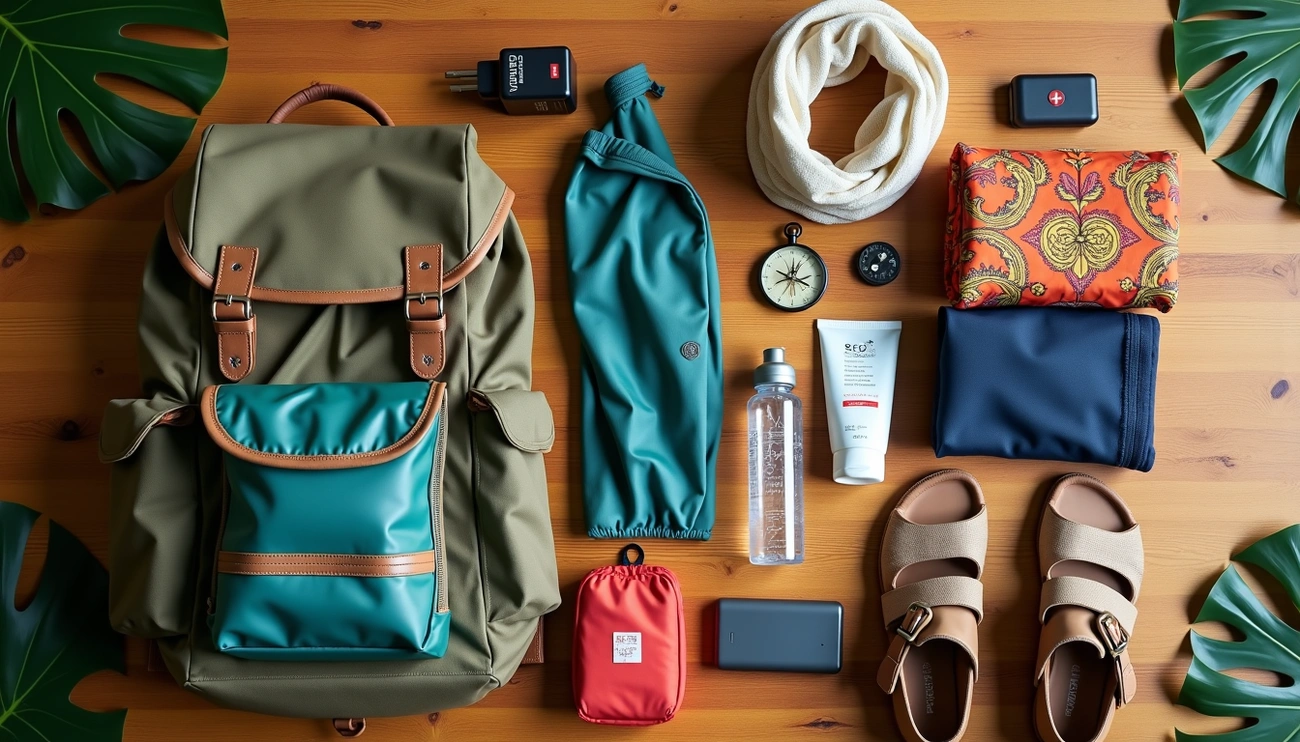
Why Monsoon Rain Gear is Essential
Tropical weather brings spontaneous rain that can start suddenly. A proper rain jacket is non-negotiable for your Sri Lanka packing list. Monsoon rain gear protects you from unexpected downpours that characterize the island’s weather patterns. A waterproof rain jacket outperforms water-resistant options, which only wick away light rain briefly before soaking through. Waterproof jackets feature special coatings like Gore-Tex or durable water repellent (DWR) that seal out moisture, though you’ll want versions free of PFAS chemicals to travel eco-friendly. Shell-style jackets work best in Sri Lanka’s humid conditions since they remain lightweight and have armpit vents that allow air to flow through. The humidity makes breathability as important as waterproofing. You’ll feel trapped in a plastic bag even when staying dry from rain without proper ventilation.
Best Rain Jacket Options for Sri Lanka
The Patagonia Torrentshell 3L balances waterproof protection with packability at $179. It has a two-way-adjustable hood and micro-fleece-lined neck. This jacket packs into its front pocket to store easily in your carry-on. At 14.1 oz, it has storm flaps over DWR-treated zippers and armpit zips to ventilate. The Zpacks Vertice Rain Jacket weighs 5.9 oz and costs $299 as an ultralight option. It offers exceptional breathability at 56k MVTR (double Gore-Tex) with full pit zips. The Montbell Versalite matches that weight at 5.9 oz and costs $285. It uses three-layer fabric and achieves 52k breathability. Both options meet the ultralight criteria of weighing 8 oz or less. Budget-conscious travelers should think over the Outdoor Vitals Tushar at $230. It weighs 7.4 oz with pit zips and breathability ranging from 20k-29k MVTR. The Janji Zephyrunner offers incredible packability. It folds into its chest pocket to a size bigger than an iPhone and weighs only 4.3-4.4 oz.
Packing and Storage Tips
Pack your rain jacket in an available location since tropical showers arrive without warning. Self-stuffing pockets eliminate the need to use separate storage bags and compress jackets to fit inside carry-on luggage or day packs. Some models have carabiner clip-in loops to attach to backpack exteriors. Store your jacket in its compressed form until needed, then shake it out to restore loft before wearing. The packable design will give your monsoon rain gear a minimal footprint in your luggage.
Sarong or Pashmina for Temple Visits
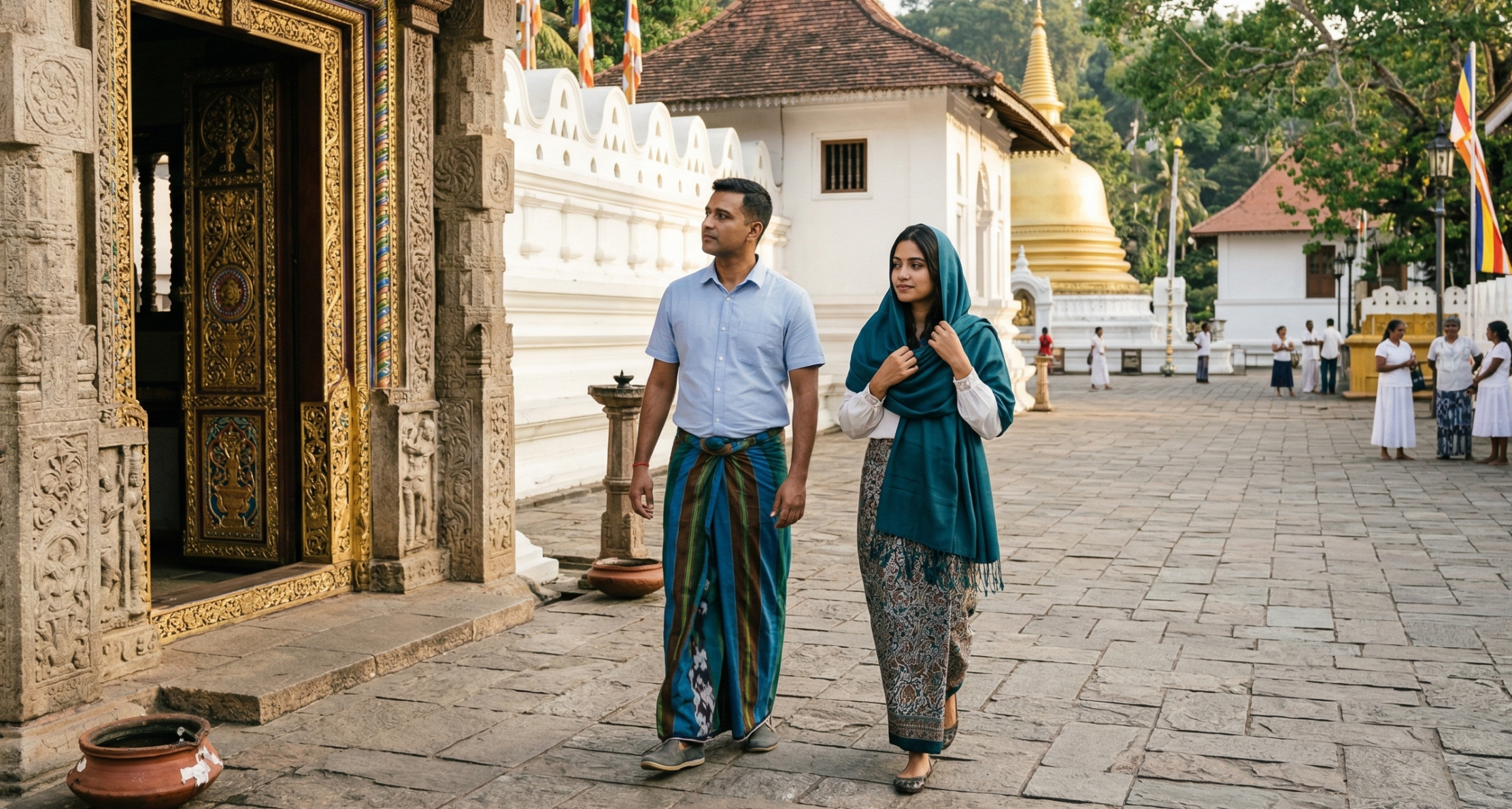
Understanding Temple Dress Code in Sri Lanka
Buddhist and Hindu temples throughout Sri Lanka enforce modest dress requirements that reflect centuries of cultural reverence and spiritual respect. You won’t find the temple dress code posted on large signs. It represents a quiet expectation rooted in deep religious tradition. Shoulders and midriffs need to stay covered. This isn’t about modesty but symbolizes inner calm and self-awareness. Clothing at these sacred sites reflects respect and humility. The fundamental rule stays non-negotiable: shoulders and knees must stay covered at major temples. Sleeveless tops, tank tops, short skirts and tight-fitting clothes violate these standards. Female travelers should carry a scarf or sarong that serves two purposes: covering shoulders when needed and doubling as a wrap in more conservative temple areas. Many Sri Lankan worshippers dress simply and often wear white to represent purity of mind. Guards at popular sites check outfits before entry. Those not meeting requirements face requests to rent or purchase cover-ups.
How to Use Your Sarong
A sarong functions as your fastest solution when temple dress codes catch you unprepared. Wrapping a sarong around your waist covers exposed knees instantly if you arrive wearing shorter clothing. Draping it over bare shoulders transforms any outfit into temple-appropriate attire. Women wrap the fabric from right to left. The bottom edge should fall about a hand’s span above the ankles. Men wrap from left to right and create neat folds that prevent slipping when climbing steep temple stairs. The versatility extends beyond temple visits. To name just one example, sarongs work as beach cover-ups, picnic blankets, emergency towels or lightweight scarves for air-conditioned busses. This single piece of fabric solves multiple travel challenges while occupying minimal luggage space.
Top Sarong Recommendations
Sarongs are affordable and allow you to pack two different options without budget strain. Local markets throughout Sri Lanka sell authentic cotton sarongs for just a few dollars and offer the added benefit of supporting local artisans. Pick lightweight cotton or linen materials that dry quickly in humid conditions. Solid colors or simple patterns work well, while batik designs add cultural authenticity to your temple visits.
Purchasing locally means you skip packing this item and acquire an authentic souvenir during your first days in Sri Lanka. Keep one sarong in your daypack at all times for spontaneous temple visits.
Also Read: Getting Around Sri Lanka Safely: Uber, PickMe or Tuk-Tuks – Making the Right Choice
Modest Clothing for Humidity and Culture
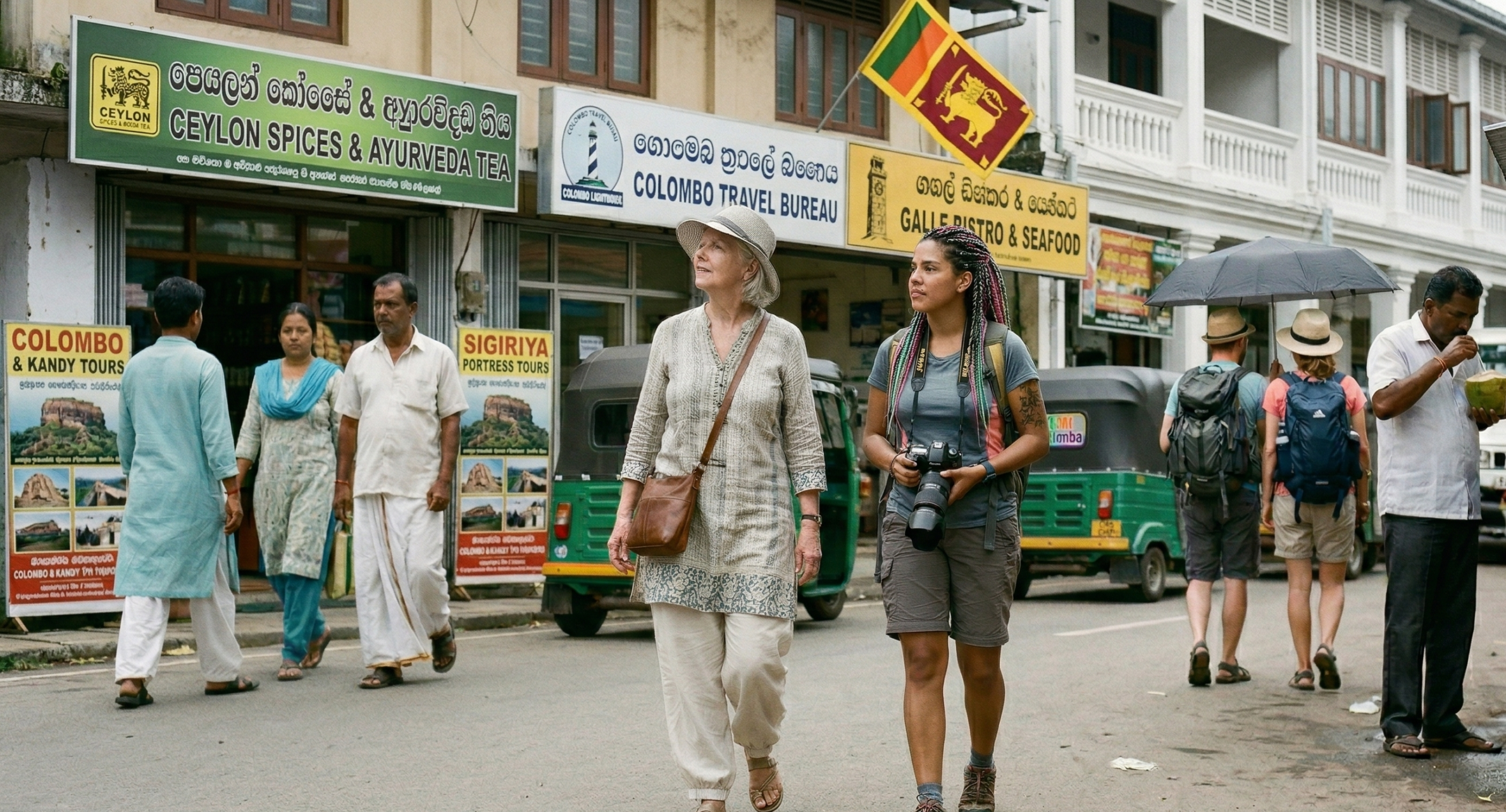
What to Wear in Sri Lanka
You need to balance cultural respect with practical comfort in tropical conditions when dressing in Sri Lanka. The predominantly Buddhist culture appreciates modest clothing, especially when you have plans to visit cities and towns beyond beach areas. Covering your shoulders and knees isn’t just about temple visits. It represents everyday courtesy that locals notice and appreciate. Swimwear belongs at beaches and pools. Never wear it in streets, shops, or public transportation, as it comes across as disrespectful. Women should pack sundresses, midi skirts, denim shorts, and vest tops that work for various situations. Maxi dresses provide coverage for temple visits while remaining comfortable in heat. Men face fewer restrictions but should avoid tank tops and very short shorts in urban areas. If you have visible tattoos, especially large ones, covering them in public shows cultural sensitivity. Some Sri Lankans associate tattoos with criminal activities.
Clothing for Humidity and Heat
Fabric choice makes the difference between comfort and misery in Sri Lanka’s humid climate. Your clothing should hang off your body rather than cling to your skin. Tight garments trap sweat and increase discomfort. Woven fabrics drape away from your body better than knits and create air circulation. Lightweight cotton and linen serve as ideal base materials. Both offer natural breathability that synthetic fabrics can’t match. Moisture-wicking properties become significant when humidity prevents sweat from evaporating quickly. Quick-dry activewear pulls moisture away from your skin, though even moisture-wicking clothing won’t eliminate humidity. Light colors reflect the sun’s rays rather than absorb them and help you stay cooler throughout the day. Choose pieces with built-in vents or mesh panels that increase airflow. Even minimal ventilation improves drying time.
Temple-Appropriate Outfit Ideas
Building temple-ready outfits means selecting pieces that work in multiple contexts. Lightweight linen button-downs paired with loose cotton pants create breathable combinations that respect cultural norms while keeping you comfortable. Midi and maxi dresses eliminate layering needs and make them perfect for spontaneous temple visits. Wide-leg pants in natural fabrics like cotton offer airflow while providing full coverage. Slip a lightweight cotton tee under sleeveless dresses for added modesty without excessive heat. Women can pair loose-fitting trousers with short-sleeve shirts that cover shoulders. Men should opt for breathable long pants with collared shirts.
Comfortable Walking Shoes and Sandals

Image Source: Amazon.com
Best Footwear for Sri Lankan Terrain
Sri Lanka’s diverse landscapes demand versatile footwear that handles muddy rainforest trails, urban streets and sandy beaches. The terrain changes as you move from coastal areas to hill country. Each region presents distinct challenges for your feet. Rocky paths, slippery surfaces and frequent water crossings require shoes with reliable grip and protection. The humidity means breathability can’t be an afterthought. Proper hiking shoes become non-negotiable when you explore destinations like Knuckles mountain range, Horton Plains, or Sri Pada. Waterproof mechanisms prove crucial since tropical conditions bring unexpected rain and muddy trails. To cite an instance, the Quechua Trek 100 trekking shoes maintain waterproofing for up to 16 km of continuous walking in water. These shoes provide solid ankle protection and durability without scratches even after 100+ km of use at 1kg per pair. The grip holds well on mud, rocks, grass and water paths, though it loses traction on very wet mossy rock surfaces. The price is 13750 LKR in Sri Lanka. They offer leech protection when paired with gaiters.
Hiking and City Walking Options
Lightweight hiking shoes around 750g offer energy savings compared to traditional boots at 1200g. This makes them ideal for covering long distances. The Danner Trail 2650 provides plush cushioning under the heel with a fit suitable for mountain trails and city exploration. Breathable mesh uppers keep feet cool in tropical heat while maintaining support for varied terrain. Water-friendly hiking shoes solve the challenge of frequent stream crossings without requiring shoe changes. The Astral Nosobo features 20mm of cushion on a zero-drop platform with G.15 rubber outsoles designed for river rocks. Its 85 percent recycled nylon upper breathes well and dries quickly, even after swimming. Teva Hurricane XLT2 sandals provide an alternative at USD 75.00 with hook-and-loop closures, EVA cushioning and rubber soles for traction on wet and dry surfaces.
Beach and Casual Wear Shoes
Beach sandals just need materials that handle sand and saltwater, including plastic TPU, EVA foam, rubber, polyester, or neoprene. Birkenstock Arizona Essentials EVA combines classic comfort with water-friendly EVA material at USD 50.00. Havaianas Brazil flip flops offer budget-friendly options at USD 26.00, perfect for beach parking lots and casual wear. Teva sandals excel for active beach days since they float in water and prevent lost footwear during water activities.
Mosquito Repellent and Protection
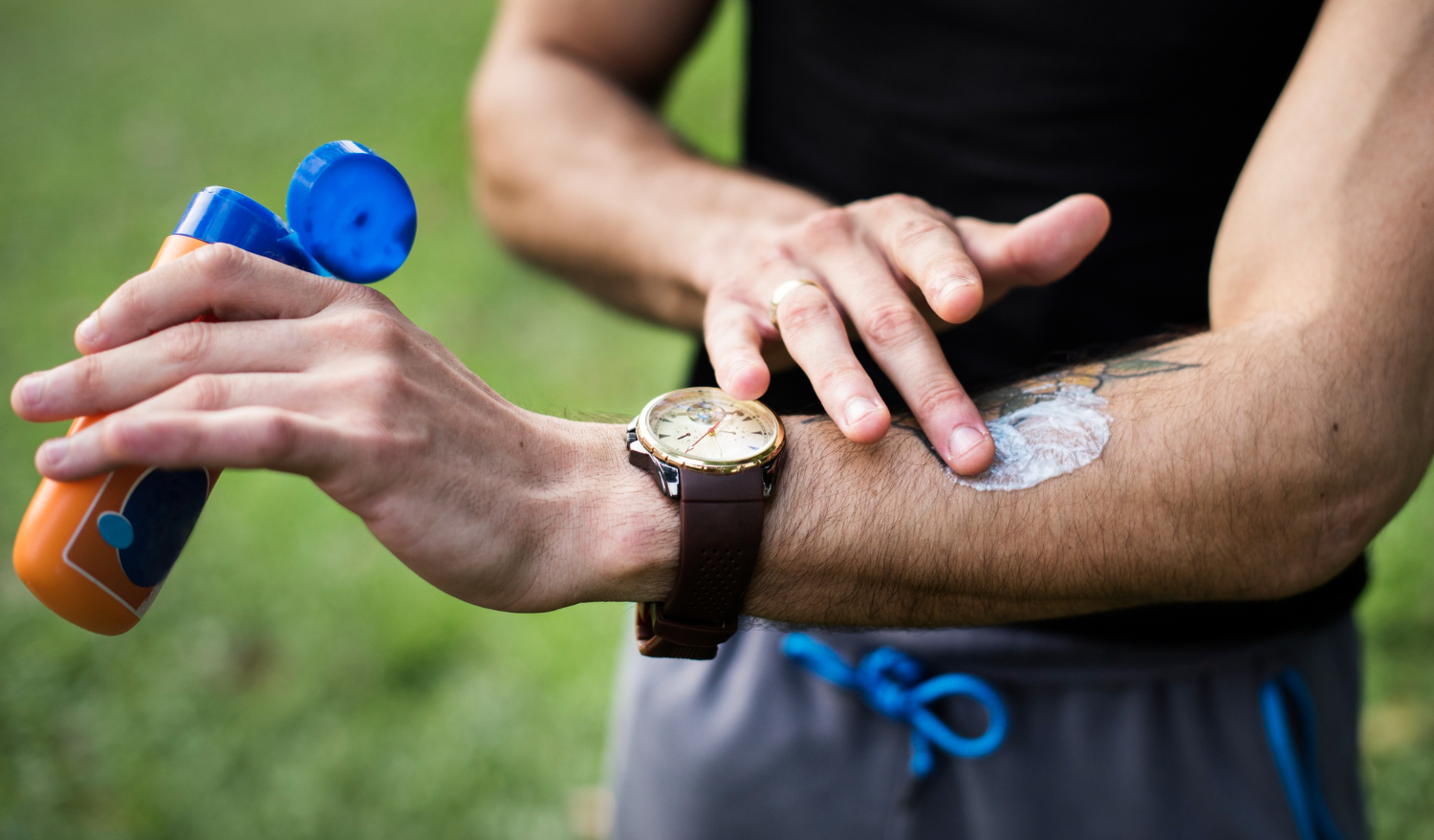
Why Mosquito Repellent is Significant
Mosquito bites in Sri Lanka carry risks that go way beyond temporary itching. A single bite can transmit diseases including dengue fever, which remains prevalent across the island, especially in tropical regions. The consequences range from annoying welts to life-threatening illnesses that could derail your whole trip. To name just one example, mosquito-borne diseases like malaria have resurfaced in some areas and make prevention through proper repellent use essential. Dengue fever, transmitted by Aedes aegypti mosquitoes, has emerged as a most important health concern throughout Sri Lanka and similar tropical destinations.
Natural vs Chemical Repellents
The Environmental Protection Agency recommends repellents containing DEET, picaridin, IR3535, or oil of lemon eucalyptus as effective options. DEET concentrations between 20-30% provide optimal protection, with higher percentages just extending duration rather than improving effectiveness. Picaridin performs equally well and offers up to 12 hours of protection in spray versions and 14 hours in lotion formulations. Oil of lemon eucalyptus delivers around 6 hours of protection and serves as the main natural alternative recommended by health authorities.
Natural repellents containing citronella, lemongrass, or peppermint evaporate fast and rarely provide more than 2-3 hours of coverage. Research from coconut oil fatty acids shows promise and provides over 90 percent repellency against Aedes aegypti mosquitoes. Still, most botanical options lack EPA registration since manufacturers aren’t required to prove effectiveness to federal regulators.
Additional Mosquito Protection Items
Permethrin treatment for clothing adds critical protection beyond skin-applied repellents. Apply 0.5% permethrin to boots, pants, and socks for protection lasting around six washings. Studies show subjects wearing permethrin-treated footwear were 73.6 times less likely to experience tick bites. Dawn and dusk mark peak mosquito activity periods, so plan indoor activities during these hours if possible.
Reef-Safe Sunscreen and Sun Protection
Choosing the Right Sunscreen
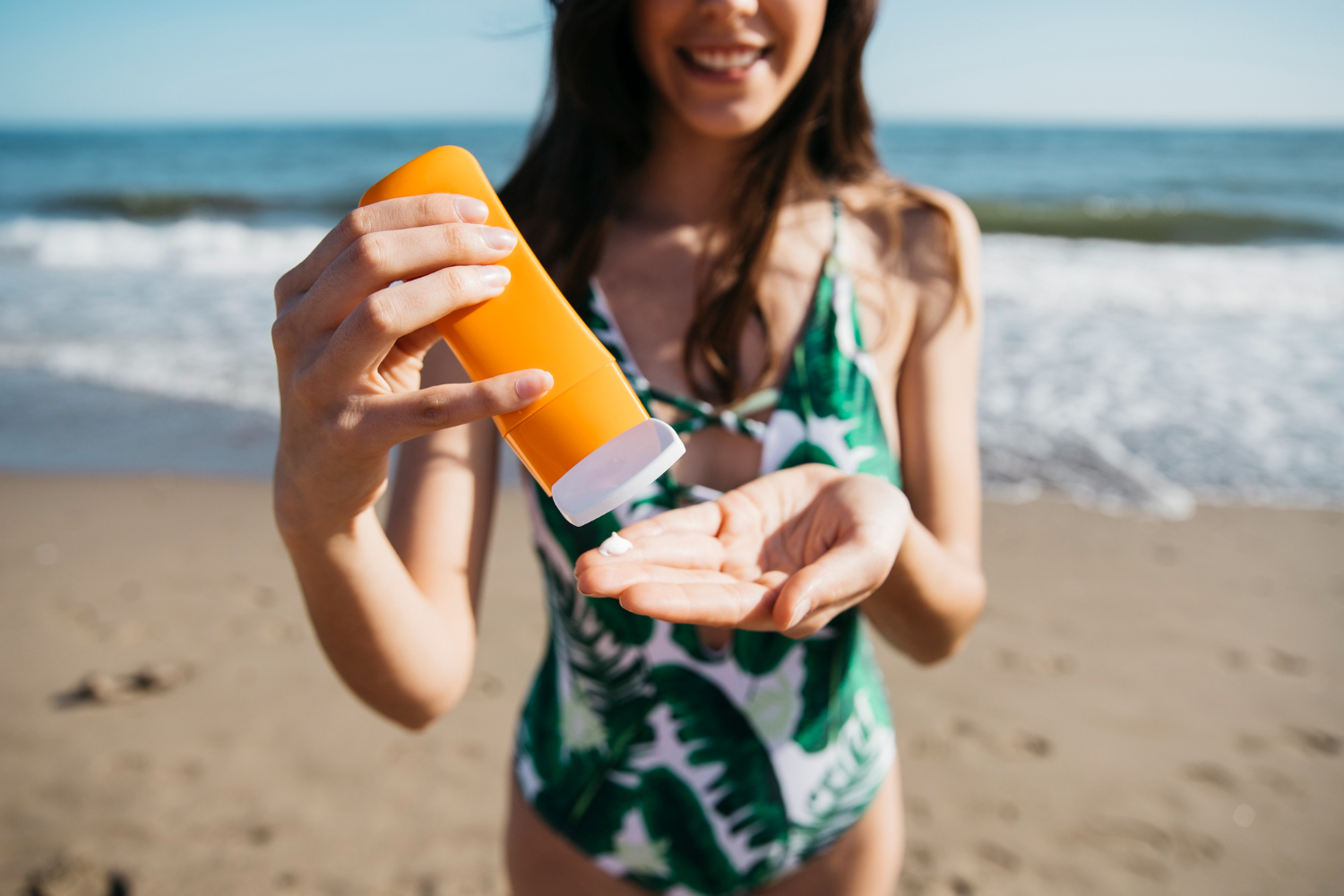
Snorkeling and beach activities around Sri Lanka’s coastline require sunscreen that protects both your skin and the surrounding coral reefs. Reef-safe sunscreens contain only mineral UV-blocking ingredients like zinc oxide and titanium dioxide, which physically block rays rather than absorb into skin. Chemical sunscreens use oxybenzone and octinoxate, ingredients proven harmful enough that Hawaii, Key West, Virgin Islands, Palau, Thailand, and the Maldives have banned them. These chemicals damage coral reefs and marine ecosystems while causing hormonal imbalances in humans.
The term “reef-safe” lacks regulation, meaning brands can claim environmental friendliness despite containing harmful chemicals. Read ingredient labels instead of trusting marketing claims. Avoid products listing oxybenzone, octinoxate, octocrylene, homosalate, PABA, parabens, or nano-sized particles. Non-nano zinc oxide and titanium dioxide provide the safest mineral protection, as nanoparticles below 100 nanometers can be ingested by coral. Reef-safe brands include Project Reef, All Good, Kokua Sun Care, and Stream2Sea, while Neutrogena, Coppertone, Sun Bum, and Supergoop sell non-reef-safe products.
SPF Recommendations for Sri Lanka
Broad-spectrum sunscreen with minimum SPF 30 blocks around 97% of UVB rays. SPF 50 increases protection to 98%, though differences above 50 become negligible. Apply one ounce (shot glass amount) to cover your entire body, and reapply every two hours whatever SPF level. Water-resistant formulas maintain protection during swimming and sweating.
Additional Sun Protection Essentials
Sun protective clothing reduces sunscreen needs better than any lotion. UPF-rated shirts, swim leggings, and rash guards cover large body areas and minimize chemicals washing into ocean water. Wide-brim hats and sunglasses protect often-forgotten areas, while SPF lip balm prevents painful sunburned lips.
Universal Power Adapters Sri Lanka Compatible

Image Source: Amazon.com
Understanding Sri Lankan Power Outlets
You need to understand Sri Lanka’s electrical system to charge your devices. The system is different by a lot from North American standards. The country uses three plug types: Type D with three round pins, Type G with three rectangular blades in a triangular pattern, and Type M with larger round pins. Type G has become the modern standard found in most hotels, restaurants and airports. Type D shows up in older accommodations and rural areas. The government decided in 2016 that Type G would become the only national standard by 2038. Manufacturing and importing of non-standard plugs has been banned since 2017. Sri Lanka operates on 230V at 50Hz frequency. This voltage level matches most of Europe, Asia and Australia but contrasts sharply with the 120V used in the United States and Canada. Travelers from North America need adapters since American plugs won’t fit into Sri Lankan outlets.
Best Multi-Plug Adapters
Universal travel adapters solve the challenge of multiple plug types. They include four different prong configurations and cover most countries Americans visit. These adapters work in 150+ countries, though no single solution guarantees compatibility everywhere. Universal models often include USB ports that let you charge multiple devices at once from one outlet. Individual plug adapters attach to your existing charger’s prongs. They offer a compact solution for travelers carrying fewer devices. You need Type G adapters as your main choice for Sri Lanka, with Type D compatibility as backup for older establishments.
Voltage and Safety Considerations
Adapters change plug shapes without converting voltage. Whatever you plug into an adapter receives Sri Lanka’s full 230V, not the 120V used in North America. Most modern electronics like smartphones, laptops and cameras include dual voltage capability. Look for “INPUT: 100-240V, 50/60Hz” marked on the device or charger. These require only an adapter. High-powered appliances like hair dryers operate on single voltage. They need a separate voltage converter to function safely at 230V. Without proper conversion, plugging 120V devices into 230V outlets risks fire hazards and equipment damage.
Filter Water Bottle for Safe Hydration

Image Source: RapidPure
Why You Need a Water Filter
Water safety varies by a lot across Sri Lanka. A filter bottle is a practical addition to your Sri Lanka packing list. The difference between water filters and purifiers matters when you choose your bottle. Filters physically strain out bacteria and protozoa like Giardia but cannot capture viruses. Viruses remain too small for most filter mechanisms. Purifiers eliminate all three classes of microbes including viruses and provide complete protection. Waterborne viruses can be present in developing countries’ water supplies. Purifiers offer more complete safety for international travel.
Filter bottles designed to treat tap water remove chlorine disinfectants that create unpleasant flavors. These work fine to improve taste but don’t protect against untreated water sources. Most filter bottles require force to suck water through the filtration system. This makes them impractical for children and less convenient than filling regular bottles from filtered sources.
Top Water Bottle Recommendations
The GRAYL UltraPress stands out for international travel at USD 89.95. It removes 99% of bacteria, protozoa and viruses from any water source. Its 16.9 oz capacity uses electroadsorptive activated carbon technology and meets NSF Standards 42 and 53. The filter lasts 40 gallons, though annual maintenance costs reach USD 70.00-USD 80.00.
The LifeStraw Go Series offers dual filtration with hollow fiber membrane. It captures bacteria and protozoa while activated carbon removes chlorine. Available in 22 and 34 oz plastic versions, it blocks waterborne particles above 0.2 microns including microplastics. It doesn’t capture viruses though. The Brita Premium Filtering Water Bottle provides NSF/ANSI certified chlorine reduction to improve treated water. It comes in 26 and 36 oz sizes, with replacement filters costing about USD 3.00 each and lasting about two months.
Staying Hydrated in Sri Lankan Heat
You want to drink 8 cups (64 ounces, 2 liters) of water daily as a baseline. Increase intake during hot weather, whatever your activity level. Pale yellow urine indicates proper hydration, while honey-colored urine signals dehydration. Thirst alone doesn’t indicate hydration status well, so monitor urine color and frequency.
Quick-Dry Activewear and Layering Pieces

Image Source: Lululemon
Best Fabrics for Humid Climates
Moisture-wicking fabrics pull sweat away from your skin where it can evaporate. This keeps you drier in humid conditions. Polyester and nylon stand out as performance materials that dry fast and resist retaining odors. Cotton absorbs moisture like a sponge and takes time to dry. This makes it unsuitable for active pursuits in Sri Lanka’s humidity. Merino wool offers natural breathability and moisture-wicking properties without retaining odors like synthetic fabrics. Lighter weight fabrics dry faster than heavier materials and provide quicker relief from sweat-soaked clothing.
Essential Activewear Items
You should pack moisture-wicking base layers made from polyester, nylon, or merino wool that fit snugly against your skin for optimal sweat management. Quick-dry shirts and pants help you avoid the discomfort of wearing damp clothing throughout the day. Look for garments with looser fits that drape off your body. They allow airflow even when humidity prevents rapid evaporation. Technical fabrics with built-in vents or mesh panels increase air circulation substantially.
Layering for Hill Country
Sri Lanka’s hill country demands layers for cooler mornings and evenings. You need a fleece top or light sweater as your midlayer for added warmth during temperature drops. The layering system starts with your moisture-wicking base layer and adds an insulating midlayer when needed. Your rain jacket serves as the outer shell.
Packing Cubes for Organization

Image Source: Eagle Creek
Benefits of Using Packing Cubes
Organization stands as the number one reason travelers adopt packing cubes. Packing cubes beat out every other method time and again, including bundling and rolling. They prove reliable and quick while making organization effortless. Whatever space they sacrifice gets more than made up for by their compression and Tetris-like capacity to let you stack and organize possessions as you pack and unpack, especially when traveling through several destinations. They help you pare down what you’re bringing and keep clean pieces separate from dirty. You can prevent the dreaded shove-everything-in method before catching your return flight.
How to Organize Your Luggage
Categorize each packing cube by item type: undergarments, tops, bottoms, and accessories. This categorization helps you stay organized throughout your trip. You can find all your options when you open your bag. Your largest packing cube should go in first. Place it opposite the shoes side of your suitcase, usually where straps can be buckled and tightened. Smaller ones fit around it. Note they don’t all have to be flat since some can sit on their sides. The zipper on packing cubes should be positioned upright so you can open cubes and see all items at once upon arrival.
Space-Saving Packing Techniques
Compression packing cubes offer extra space-saving capability through additional zippers, buckles, or straps that cinch down clothing. Rolling your softer, less bulky garments like underwear and t-shirts works well. Folding stiffer items like dress shirts and khakis prevents excessive wrinkling. Honestly, one method over the other doesn’t make too much difference. An extra cube specifically for dirty laundry keeps it separate from clean items throughout your trip.
Portable Charger and Essential Electronics

Image Source: Amazon.com
Power Bank Requirements
A portable charger with sufficient capacity measured in milliampere hours (mAh) will keep devices charged throughout long travel days. A 10,000 mAh battery bank provides close to one and a half charges to frequent phone users, depending on your device. The myCharge Fast Charging Portable Charger delivers two full phone charges plus an earbud charge with 50 percent battery remaining. The Anker PowerCore III Elite 25600 can charge some phones up to six cycles and proves ideal when you spend multiple days away from accommodation outlets.
Pass-through charging allows you to charge the battery bank and a device at the same time. You wake up with both fully powered and ready to explore Sri Lanka’s attractions. Models with multiple USB ports let you charge phones, cameras and other electronics from one power source at the same time.
Camera and Photography Gear
Photography enthusiasts should pack backup batteries and chargers since humidity drains battery life faster. Memory card holders keep multiple cards in order, while dual memory card shooting throughout your trip means no images are lost if one card fails. Waterproof cameras capture marine life at Sri Lanka’s beaches without risk of equipment damage when you shoot underwater.
Tech Accessories and Cables
Universal power strips charge everything at the same time from limited hotel outlets. Pack charging cables and backup Lightning or USB-C cables since replacements prove expensive abroad.
Compact First Aid and Medicine Kit

Image Source: Adventure Medical Kits
Medical Supplies You Need
A compact first aid kit addresses common travel mishaps from minor cuts to unexpected illnesses. Keep medical supplies in a water-resistant container that stays available during your trip. Your simple kit should include adhesive bandages in various sizes for cuts and scrapes, adhesive tape to secure dressings, and gauze pads for larger wounds. Antiseptic wipes with benzalkonium chloride or alcohol clean dirt and germs from injuries. Antibacterial ointment prevents infection and keeps dressings from sticking. Tweezers remove splinters and ticks. Small scissors cut bandages. An instant cold pack relieves bumps and minor burns. You need hand sanitizer with at least 60% alcohol before touching any wounds.
Prescription and OTC Medications
Pain relievers like acetaminophen or ibuprofen treat headaches, fever, and sprains that occur during travel. Antihistamines manage allergies and reactions, with options like loratadine or diphenhydramine. Motion sickness medication such as meclizine prevents nausea on winding mountain roads or boat trips. Anti-diarrheal medications like loperamide (Imodium) or bismuth subsalicylate (Pepto-Bismol) prove critical at the time traveler’s diarrhea strikes. Digestive issues rank among the most common reasons travelers seek medical help abroad. Antacids tackle heartburn and indigestion from unfamiliar meals. Carry all medications in original containers with clear labels that identify your name and dosing schedule, plus enough supply for your trip duration with extra in case return delays occur.
Electrolytes and Digestive Aids
Electrolyte rehydration salts prevent dehydration from illness or extreme heat, and physicians worldwide recommend them. Sri Lanka’s humid climate causes excessive sweating. You lose sodium, potassium, magnesium, and calcium through sweat. Electrolyte packets mixed with water replenish these minerals faster than water alone, with some products claiming to hydrate up to three times faster than plain water. Travel-related constipation makes mild laxatives or stool softeners valuable additions to your medical kit.
Comparison Table: 12 Smart Sri Lanka Packing List Items
| Item | Main Purpose/Use | Key Features/Specifications | Recommended Products/Brands | Price Range | Important Considerations |
| Lightweight Rain Jacket for Monsoon Weather | Protection from spontaneous tropical downpours and monsoon rain | Waterproof (not just water-resistant), shell-style with armpit vents, packable design, breathability 20k-56k MVTR, weight 4.3-14.1 oz | Patagonia Torrentshell 3L (14.1 oz), Zpacks Vertice (5.9 oz), Montbell Versalite (5.9 oz), Outdoor Vitals Tushar (7.4 oz), Janji Zephyrunner (4.3-4.4 oz) | $179-$299 | Pack in an easy-to-reach spot; self-stuffing pockets remove the need for separate storage bags; look for Gore-Tex or DWR coatings without PFAS chemicals |
| Sarong or Pashmina for Temple Visits | Covering shoulders and knees to comply with temple dress code; multi-purpose travel accessory | Lightweight cotton or linen, quick-dry materials, solid colors or batik patterns | Local Sri Lankan market sarongs, authentic cotton options | A few dollars when bought there | Women wrap right to left, men wrap left to right; doubles as beach cover-up, picnic blanket, emergency towel, or scarf; think about buying one there as a souvenir |
| Modest Clothing for Humidity and Culture | Respecting Buddhist culture while staying comfortable in tropical heat | Lightweight cotton and linen, woven fabrics that drape off body, moisture-wicking properties, light colors, built-in vents or mesh panels | Sundresses, midi/maxi dresses, denim shorts, vest tops, wide-leg pants, linen button-downs | Not mentioned | Shoulders and knees must be covered in cities and temples; swimwear only at beaches/pools; cover visible tattoos in public; avoid tight-fitting clothes |
| Comfortable Walking Shoes and Sandals | Handling diverse terrain from muddy trails to urban streets and beaches | Waterproof mechanisms, reliable grip, breathability, lightweight (750g-1kg), ankle protection for hiking | Quechua Trek 100 (1kg), Danner Trail 2650 (750g), Astral Nosobo, Teva Hurricane XLT2, Birkenstock Arizona EVA, Havaianas Brazil | $26-13,750 LKR ($75 for Teva sandals, $50 for Birkenstock, $26 for Havaianas) | Hiking shoes needed for Knuckles, Horton Plains, Sri Pada; water-friendly options for stream crossings; beach sandals should use TPU, EVA foam, rubber, polyester, or neoprene |
| Mosquito Repellent and Protection | Preventing mosquito-borne diseases like dengue fever and malaria | DEET 20-30%, picaridin (12-14 hours protection), IR3535, oil of lemon eucalyptus (6 hours), permethrin 0.5% for clothing | EPA-registered repellents with DEET, picaridin, or oil of lemon eucalyptus; coconut oil fatty acids (90% repellency) | Not mentioned | Natural repellents (citronella, lemongrass, peppermint) only last 2-3 hours; permethrin treatment lasts 6 washings; avoid dawn and dusk peak activity periods |
| Reef-Safe Sunscreen and Sun Protection | Protecting skin while preserving coral reefs and marine ecosystems | Mineral-based with zinc oxide and titanium dioxide (non-nano), broad-spectrum SPF 30-50, water-resistant | Project Reef, All Good, Kokua Sun Care, Stream2Sea (reef-safe); Avoid: Neutrogena, Coppertone, Sun Bum, Supergoop | Not mentioned | Avoid oxybenzone, octinoxate, octocrylene, homosalate, PABA, parabens, nano-sized particles; apply 1 oz (shot glass amount) every 2 hours; SPF 30 blocks 97% UVB, SPF 50 blocks 98% |
| Universal Power Adapters Sri Lanka Compatible | Charging devices in Sri Lankan electrical outlets | Type G (modern standard), Type D (older areas), Type M compatibility; 230V at 50Hz frequency; USB ports for multiple devices | Universal travel adapters working in 150+ countries; individual Type G adapters | Not mentioned | Type G becomes the only national standard by 2038; adapters don’t convert voltage; most modern electronics are dual voltage (100-240V); high-powered appliances need voltage converter |
| Filter Water Bottle for Safe Hydration | Providing safe drinking water from different sources | Removes 99% bacteria, protozoa, and viruses; electroadsorptive activated carbon; hollow fiber membrane (0.2 microns); NSF Standards 42 and 53 | GRAYL UltraPress (16.9 oz, 40 gallon filter life), LifeStraw Go Series (22-34 oz), Brita Premium Filtering (26-36 oz) | $3 (Brita filters) to $89.95 (GRAYL); annual maintenance $70-$80 for GRAYL | Purifiers eliminate all microbes and viruses; filters only remove bacteria and protozoa; target 64 oz (2 liters) each day; monitor urine color to check hydration status |
| Quick-Dry Activewear and Layering Pieces | Managing moisture and temperature changes from coast to hill country | Polyester and nylon (quick-dry, odor-resistant), merino wool (natural breathability), moisture-wicking, looser fits, built-in vents or mesh panels | Not mentioned | Not mentioned | Avoid cotton (absorbs moisture, slow drying); lighter weight fabrics dry faster; layer system: moisture-wicking base, insulating midlayer (fleece/sweater), rain jacket outer shell for hill country |
| Packing Cubes for Organization | Organizing luggage by item category and separating clean from dirty clothes | Compression through zippers/buckles/straps; categorization by item type; Tetris-like stacking | Not mentioned | Not mentioned | Categorize by: undergarments, tops, bottoms, shoes, toiletries, accessories; place largest cube first opposite shoes; position zippers upright; bring extra cube for dirty laundry |
| Portable Charger and Electronics | Keeping devices charged during long travel days away from outlets | 10,000-25,600 mAh capacity; pass-through charging; multiple USB ports for simultaneous charging | myCharge Fast Charging (2 full phone charges), Anker PowerCore III Elite 25600 (6 phone cycles) | Not mentioned | 10,000 mAh provides 1.5 phone charges; pack backup camera batteries and chargers; dual memory card shooting recommended; bring universal power strips and backup cables |
| Compact First Aid and Medicine Kit | Addressing common travel mishaps, illnesses, and injuries | Water-resistant container; adhesive bandages, gauze pads, antiseptic wipes, antibacterial ointment, tweezers, scissors, instant cold pack, hand sanitizer (60%+ alcohol) | Acetaminophen/ibuprofen, loratadine/diphenhydramine, meclizine, loperamide (Imodium), bismuth subsalicylate (Pepto-Bismol), electrolyte rehydration salts | Not mentioned | Keep medications in original containers with labels; pack extra supply for delays; electrolyte packets hydrate 3x faster than water; include anti-diarrheal medication as digestive issues are the most common travel health problem |
Conclusion
Your Sri Lanka packing list should balance practical necessities with cultural respect. This might seem like a long list, but each item serves multiple purposes throughout your experience. Monsoon rain jackets pack into pocket-sized pouches. Sarongs double as temple wear and beach blankets. Smart packing means you choose versatile pieces that work in different situations.
Weather essentials like your rain jacket and reef-safe sunscreen come first. Build around cultural requirements with modest clothing and temple-appropriate accessories. Your electronics and first aid supplies round out the simple necessities, along with mosquito protection. Once you’ve covered these twelve core items, everything else becomes optional rather than essential.
Key Takeaways
Smart packing for Sri Lanka means preparing for diverse climates, cultural requirements, and tropical conditions that can change rapidly throughout your journey.
- Pack for monsoon weather with waterproof gear – Lightweight rain jackets with breathability (20k+ MVTR) are essential since tropical downpours arrive without warning
- Respect temple dress codes with versatile cover-ups – Sarongs or pashminas cover shoulders and knees while doubling as beach blankets and emergency towels
- Choose reef-safe sunscreen to protect marine ecosystems – Use mineral-based formulas with zinc oxide/titanium dioxide, avoiding oxybenzone and octinoxate that damage coral reefs
- Bring Type G power adapters for Sri Lanka’s 230V electrical system – Universal adapters work in 150+ countries, but check if your devices need voltage conversion
- Pack mosquito protection to prevent dengue and malaria – DEET 20-30% or picaridin provides 12+ hours protection against disease-carrying mosquitoes
- Filter water bottles ensure safe hydration in tropical heat – Purifiers removing 99% of bacteria, protozoa, and viruses protect against waterborne illnesses
Remember that versatility trumps quantity – each item should serve multiple purposes while respecting Sri Lanka’s Buddhist culture and preparing you for everything from humid beaches to cool mountain temples.
FAQs
Q1. What essential items should I pack for Sri Lanka’s unpredictable weather? A lightweight, waterproof rain jacket is crucial for Sri Lanka’s spontaneous tropical downpours. Look for breathable options with armpit vents and packable designs that compress into small pouches. Additionally, pack quick-dry activewear made from polyester or nylon, as these fabrics handle humidity better than cotton and dry rapidly after unexpected rain showers.
Q2. How should I dress respectfully when visiting temples in Sri Lanka? Temples in Sri Lanka require covered shoulders and knees as a sign of respect for Buddhist and Hindu traditions. Pack a sarong or pashmina that can quickly cover exposed areas when needed. Modest clothing like midi dresses, linen button-downs, and loose cotton pants work well for both temple visits and staying comfortable in the humid climate.
Q3. Do I need mosquito protection for my trip to Sri Lanka? Yes, mosquito protection is essential as mosquitoes in Sri Lanka can transmit dengue fever and malaria. Bring repellent containing 20-30% DEET or picaridin for effective protection lasting 12+ hours. Consider treating your clothing with permethrin spray, which provides protection through multiple washings, and avoid outdoor activities during dawn and dusk when mosquitoes are most active.
Q4. What type of power adapter do I need for Sri Lanka? Sri Lanka primarily uses Type G power outlets (three rectangular blades in a triangular pattern) with 230V at 50Hz frequency. Bring a universal travel adapter that includes Type G compatibility. Most modern electronics like phones and laptops are dual voltage (100-240V), but check your devices before plugging them in, as high-powered appliances may require a voltage converter.
Q5. Should I bring my own toiletries and cosmetics to Sri Lanka? Basic toiletries like shampoo, conditioner, and shower gel are readily available in Sri Lankan supermarkets, with many quality local brands at affordable prices. However, specialized items like reef-safe sunscreen, specific skincare products, and strong mosquito repellent may be harder to find or more expensive, so consider bringing these from home if you have particular preferences.